From the user

What was submitted

Photo and notes provided by the user — not generated by AI

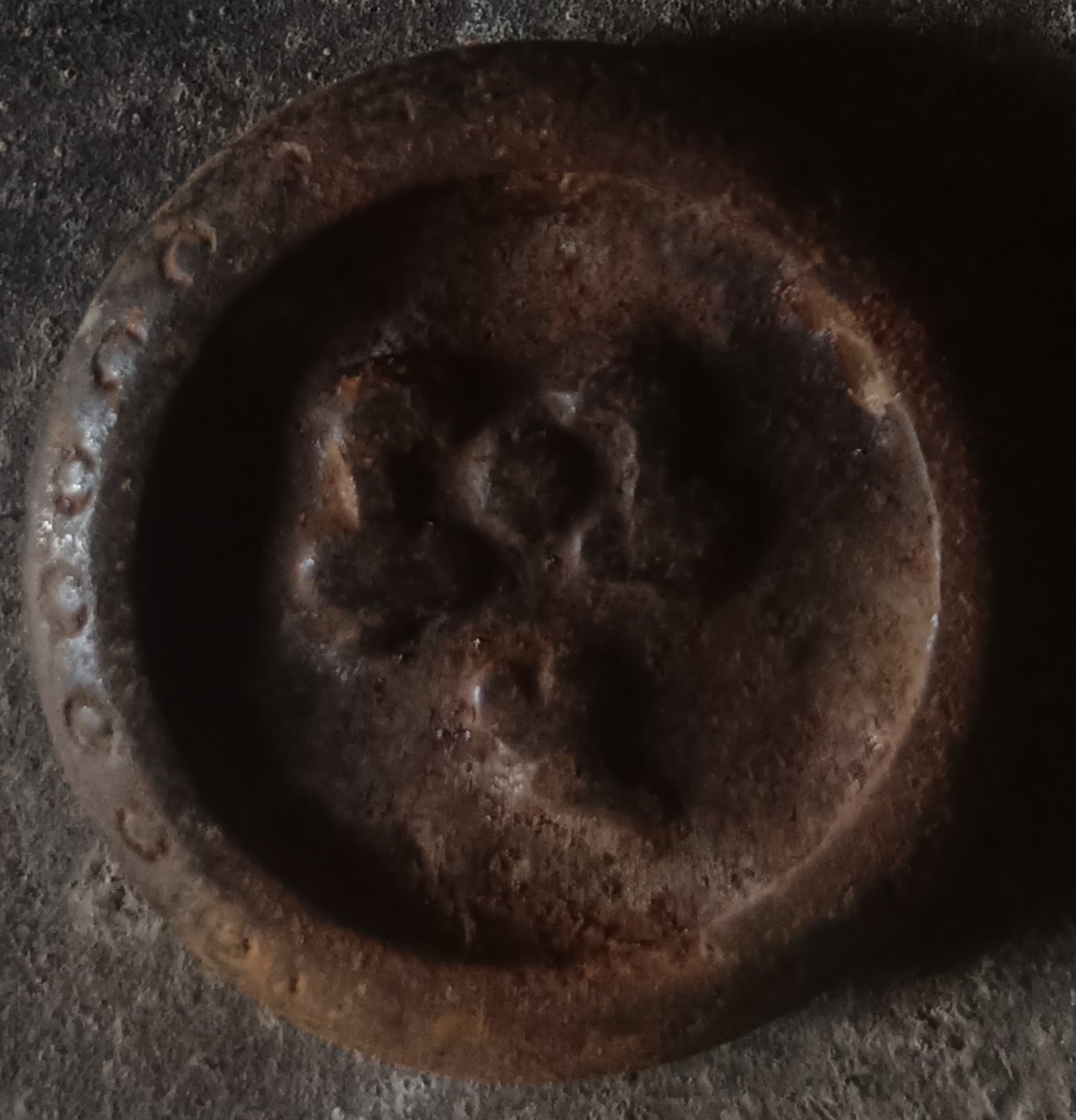
Submitted item photo
Submitted photo · May 15, 2026

User's notes

it is iron made 5 tola weight from Scindia riyasat Gwalior mp india tell me it's age and it is one of its kind remaining in the world Material: Weight: Age: Condition:

AI analysis below

AI appraisal

AI analysis & estimate

AI-Generated · Verify before acting

Everything below is generated by AI for informational purposes only. AI can make mistakes — the AI may misidentify items or misattribute them (artist, maker, brand, designer, origin, era). This is not an official valuation and should not be used for insurance, sale, tax, estate, legal, or lending purposes — or any decision requiring a certified appraisal. It is not an authoritative claim about any person, brand, or rights holder — do not share or rely on it as a factual statement about a third party. Always consult qualified professionals before making financial decisions.

Note

This analysis also relies on unverified notes provided by the user, which may be incomplete or inaccurate and could affect the result.

Read the full disclaimer

AI Identification

·Not independently authenticated·Verify before acting

Scindia Dynasty 5 Tola Iron Measuring Weight

Historical Measuring Instruments / Numismatics

AI Estimated Value

·Not an official valuation·Verify before acting

$150 - $350

As of May 15, 2026

AI Item Analysis

·AI can make mistakes·Verify before acting
This is a circular cast iron measuring weight originating from the Scindia State (Gwalior Riyasat) in Madhya Pradesh, India. The item measures 5 tolas in weight, a traditional South Asian unit of mass equal to approximately 58 grams. Physically, the object is a thick, puck-shaped disc featuring a recessed central field and a raised outer rim. The construction is solid cast iron, displaying a dark, oxidized brown and reddish patina consistent with age and environmental exposure. The central recessed area contains an embossed emblem or crest, likely representing the Scindia royal insignia, though the details are heavily obscured by surface corrosion. The outer rim shows remnants of circular punch marks or possible inscription characters. Given its association with the Scindia rule, it likely dates back to the late 19th or early 20th century (circa 1880-1940). The condition is heavily distressed with significant surface pitting, oxidation, and loss of fine detail due to rust. Despite the wear, the structural integrity remains sound. Such specific weights from princely states are culturally significant artifacts of pre-independence Indian commerce, reflecting the localized systems of measurement maintained by royal households before national standardization.
AI Appraisal Report

·AI can make mistakes·Verify before acting
I have examined the submitted images of the 5 Tola cast iron weight from the Scindia State (Gwalior). This piece, dating circa 1880-1940, represents a significant era of regional administrative history in India. The circular disc design and recessed emblem, though heavily obscured by oxidation, align with known Gwalior Riyasat utility standards. The deep reddish-brown patina and surface pitting indicate long-term environmental exposure, consistent with authentic industrial iron of that period. However, the condition is categorized as heavily distressed; the corrosion has rendered the royal insignia almost illegible, which negatively impacts the value for high-end numismatic collectors. Regarding rarity: while local weights from smaller princely states are becoming scarce, larger quantities of Gwalior artifacts exist compared to smaller states. The owner's claim of it being 'one of its kind' is likely an overstatement, as these were mass-produced tools for trade, though finding 5-tola variants specifically is less common than smaller units. Market demand for colonial-era Indian measurement artifacts is currently concentrated in niche historical circles and regional collectors. Limitations of this appraisal include the inability to verify the exact mass or metallic composition via image. For definitive authentication, I would require an ultrasonic cleaning to reveal hidden stamps, a precise digital weight scale reading (to see if it still maintains 58 grams), and established provenance documentation. Values could fluctuate upward if a clear Scindia crest is recovered through professional restoration.

Get your items appraised

Instant estimates of your treasures with AI-powered appraisals

Browse More Appraisals