AI Appraisal Estimate

AI-generated estimates · not official valuations

From the user

What was submitted

Photo and notes provided by the user — not generated by AI

Submitted item photo
Submitted photo · June 2, 2026

User's notes

No additional notes provided.

AI analysis below

AI appraisal

AI analysis & estimate

AI-Generated · Verify before acting

Everything below is generated by AI for informational purposes only. AI can make mistakes — the AI may misidentify items or misattribute them (artist, maker, brand, designer, origin, era). This is not an official valuation and should not be used for insurance, sale, tax, estate, legal, or lending purposes — or any decision requiring a certified appraisal. It is not an authoritative claim about any person, brand, or rights holder — do not share or rely on it as a factual statement about a third party. Always consult qualified professionals before making financial decisions.

Read the full disclaimer

AI Identification

·Not independently authenticated·Verify before acting

Circulated United States One-Cent Coins (Lincoln Cents)

Numismatics / Currency

AI Estimated Value

·Not an official valuation·Verify before acting

$0.02 - $0.05

As of June 2, 2026

AI Item Analysis

·AI can make mistakes·Verify before acting
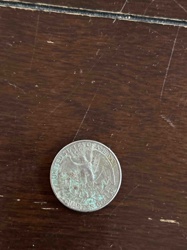
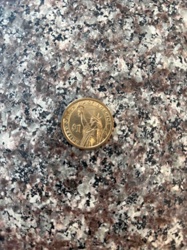
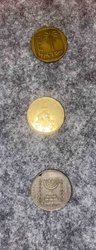
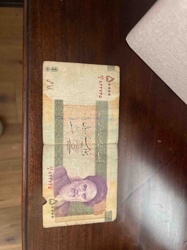
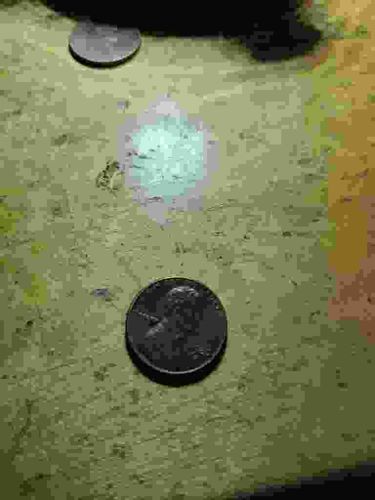
This image features two United States small cents, specifically Lincoln Cents, displayed on a textured surface. The lower coin most clearly depicts the profile of Abraham Lincoln facing right, which is the hallmark of the Lincoln Cent series first introduced in 1909. The coins appear to be composed of copper-plated zinc or a bronze alloy, though their exact composition depends on the mintage year, which is not legible. Physically, the coins exhibit a dark, heavy patina consistent with long-term environmental exposure or significant circulation. The surfaces show considerable wear, which has softened the relief of the bust and likely the lettering and dates. The color is a muted dark brown to charcoal grey, lacking original mint luster. There are no obvious signs of rare mint errors visible at this resolution, but the heavy oxidation indicates they have been exposed to moisture or corrosive elements. The coins measure approximately 19mm in diameter. The upper coin is partially occluded and exhibits similar levels of wear and discoloration. The background surface is a yellowish-green textured material, possibly wood or stone, with a bright light reflecting off the center, creating a glare that obscures surface details between the two specimens.
AI Appraisal Report

·AI can make mistakes·Verify before acting
I have conducted a visual examination of the two Lincoln Cents via the provided documentation. Both specimens exhibit signs of heavy circulation and significant environmental damage. The dark, charcoal-grey patina and lack of original mint luster suggest 'Environmental Damage' (ED) or 'Corroded' status in a professional grading context. The softness of the relief and the heavy oxidation indicate these coins would likely grade as 'Good' (G-4) or lower, assuming they are not 'Details' graded due to surface damage. From a market perspective, common-date circulated Lincoln Cents struck after 1940 (likely for these specimens given the profile style and appearance of copper-plated zinc or late-era bronze) have no numismatic premium. They are currently valued at their face value or their base metal melt value. There are no visible indicators of key dates, rare mint marks (such as the 1909-S VDB), or high-value errors. Comparables for such items are found in 'bulk penny' lots where coins are sold by the pound rather than by individual specimen. Full authentication is limited by image resolution and the inability to view the obverse date or reverse design. To provide a definitive valuation, I would need an in-person examination to verify the date, mint mark, and weight to determine the exact alloy composition (pre-1982 bronze vs. post-1982 zinc). High-resolution macro photography under neutral lighting would be required to rule out minor die varieties, though the current surface corrosion likely makes such identification impossible. Currently, these items represent standard circulation currency with no collectible rarity.

Get your items appraised

Instant estimates of your treasures with AI-powered appraisals

Browse More Appraisals