AI Appraisal Estimate

AI-generated estimates · not official valuations

From the user

What was submitted

Photo and notes provided by the user — not generated by AI

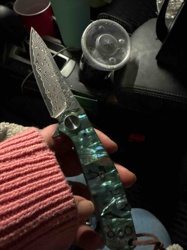
Submitted item photo
Submitted photo · July 21, 2026

User's notes

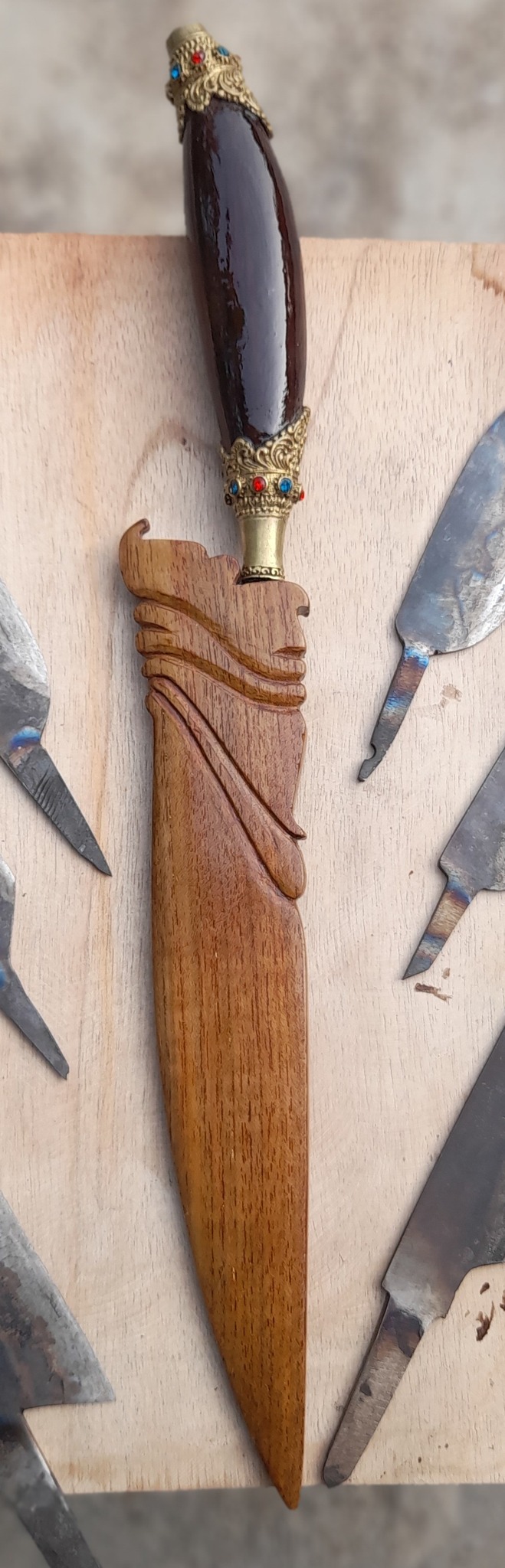
Pisau bali gagang kayu sonokeling sarung kayu jati bilah baja per willys pengerjaan 15 hari

AI analysis below

AI appraisal

AI analysis & estimate

AI-Generated · Verify before acting

Everything below is generated by AI for informational purposes only. AI can make mistakes — the AI may misidentify items or misattribute them (artist, maker, brand, designer, origin, era). This is not an official valuation and should not be used for insurance, sale, tax, estate, legal, or lending purposes — or any decision requiring a certified appraisal. It is not an authoritative claim about any person, brand, or rights holder — do not share or rely on it as a factual statement about a third party. Always consult qualified professionals before making financial decisions.

Note

This analysis also relies on unverified notes provided by the user, which may be incomplete or inaccurate and could affect the result.

Read the full disclaimer

AI Identification

·Not independently authenticated·Verify before acting

Indonesian-style decorative knife with wooden scabbard

Knives and Edged Weapons

AI Estimated Value

·Not an official valuation·Verify before acting

$100 - $225

As of July 21, 2026

AI Item Analysis

·AI can make mistakes·Verify before acting
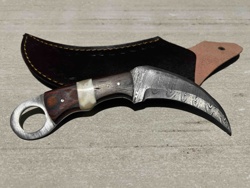
This object is a decorative fixed-blade knife housed in a carved wooden scabbard, featuring a hilt of dark wood with decorative metal fittings. The hilt is crafted from a dark, polished wood, which the user identifies as Sonokeling (rosewood), though this remains unverified. It is capped at both the pommel and the bolster with ornate, gold-toned metal filigree collars (possibly brass or bronze) inset with small red and blue synthetic stones or glass cabochons. The scabbard is made from a lighter-grained wood with carved wave-like motifs near the throat, which the user-supplied notes identify as teak. The blade, partially visible at the tang, is consistent with hand-forged steel; the owner claims it is forged from a Willys Jeep leaf spring, a common material for regional smithing, though this cannot be confirmed via image alone. The item appears to be of contemporary manufacture, stylistically consistent with the Balinese 'Pisau Bali' tradition. The craftsmanship shows manual carving and metalwork consistent with artisanal production. Condition appears new or well-maintained, with a high-gloss finish on the handle and a matte, natural finish on the scabbard. No maker's marks or signatures are visible to confirm the specific workshop or artist, necessitating a hedged identification based on regional aesthetic characteristics.
AI Appraisal Report

·AI can make mistakes·Verify before acting
Based on the provided imagery and documentation, I have examined this decorative fixed-blade knife, which appears to be a contemporary artisan piece in the Balinese 'Pisau Bali' tradition. From what I can see, the hilt displays a dark, polished wood and the scabbard shows characteristics of teak with wave-like carvings. Per the user's submission, the materials are attributed to Sonokeling (rosewood) and teak, with a blade allegedly forged from a Willys Jeep leaf spring. While I can observe the high-gloss finish and ornate filigree collars, I cannot verify the specific wood species or the metallurgical composition of the steel through a photograph alone. The presence of synthetic stones or glass cabochons suggests a decorative rather than purely utilitarian or high-jewelry intent. My estimate is based on the assumption that the owner's claims regarding the hand-forged nature and 15-day artisanal production are accurate; however, without a maker's mark, this remains a working hypothesis. In the current market, such regional hand-crafted items appeal to collectors of ethnographic edged weapons and decorative arts. The value would likely decrease to the $40-$75 range if the item were determined to be a mass-produced souvenir rather than an artisan-forged piece. To confirm the materials and the nature of the forge work, an in-person physical inspection by a specialist in Indonesian militaria or ethnographic weapons would be required. Such an examination would look for specific grain patterns in the wood and signs of hand-hammering or heat treatment in the blade steel that are not visible in the current images.

Get your items appraised

Instant estimates of your treasures with AI-powered appraisals

Browse More Appraisals