AI Appraisal Estimate

AI-generated estimates · not official valuations

From the user

What was submitted

Photo and notes provided by the user — not generated by AI

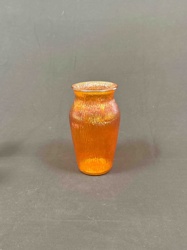
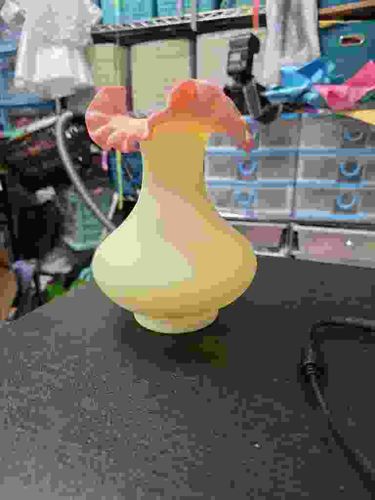
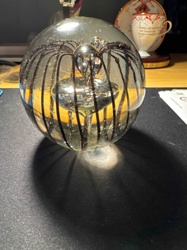
Submitted item photo
Submitted photo · May 19, 2026

User's notes

No additional notes provided.

AI analysis below

AI appraisal

AI analysis & estimate

AI-Generated · Verify before acting

Everything below is generated by AI for informational purposes only. AI can make mistakes — the AI may misidentify items or misattribute them (artist, maker, brand, designer, origin, era). This is not an official valuation and should not be used for insurance, sale, tax, estate, legal, or lending purposes — or any decision requiring a certified appraisal. It is not an authoritative claim about any person, brand, or rights holder — do not share or rely on it as a factual statement about a third party. Always consult qualified professionals before making financial decisions.

Read the full disclaimer

AI Identification

·Not independently authenticated·Verify before acting

Fenton Burmese Art Glass Jack-in-the-Pulpit Vase

Collectible Art Glass

AI Estimated Value

·Not an official valuation·Verify before acting

$125 - $175

As of May 19, 2026

AI Item Analysis

·AI can make mistakes·Verify before acting
This is a vintage Fenton 'Burmese' art glass vase, designed in the classic Jack-in-the-Pulpit style. The piece features a characteristic satin finish with a beautiful heat-reactive color gradation, transitioning from a soft buttery yellow at the base to a delicate salmon pink or blush towards the ruffled rim. The vase stands on a stable circular foot, transitioning into a wide bulbous body that tapers into a slender neck before flaring out into a dramatic, hand-crimped ruffled top that resembles its namesake flower. The glass is opaque and displays the heavy, high-quality wall thickness typical of mid-century Fenton production. Burmese glass is notable for its uranium and gold content, which creates the unique color shift and causes the yellow portions to glow under UV light. No obvious chips, cracks, or repairs are visible in the image, although a close inspection for flea bites on the rim and internal mineral staining would be necessary for a full condition report. This style was popularized by Fenton Art Glass Company in the mid-20th century, likely dating this piece between the 1960s and 1980s. The smooth, velvety texture and uniform color blending are hallmark indicators of professional glassblowing craftsmanship.
AI Appraisal Report

·AI can make mistakes·Verify before acting
I have virtually examined this Fenton 'Burmese' Jack-in-the-Pulpit vase. Visually, the piece displays the classic characteristics of Fenton Art Glass, specifically the satin-finish Burmese glass formulated with uranium and gold. The heat-reactive transition from yellow to salmon pink is well-blended, and the symmetry of the hand-crimped rim suggests a high level of craftsmanship consistent with production from the 1970s. The thickness and footed base appear authentic to mid-to-late 20th-century molds. The market for Burmese glass remains steady but has cooled from its peak in the 1990s. Collectors currently prioritize larger 'connoisseur' pieces or those with hand-painted floral decorations by known artists. As an undecorated example, this vase's value is driven by its form and color quality. Typical auction results for similar 8-to-10 inch Fenton Jack-in-the-Pulpit vases range between $100 and $200 depending on the depth of the pink 'blush.' Conditions for this valuation assume a 'Mint' status. The presence of 'flea bites' on the ruffled edges or 'water lines' (internal mineral staining) would decrease the value by 30-50%. Limitations: My assessment is based solely on the provided description and visual data. For a definitive authentication, I would need to perform an in-person inspection to verify the tactile 'velvet' texture and use a UV light to confirm the characteristic uranium fluorescence. Additionally, I would check the base for a stamped Fenton logo, which was introduced in the 1970s; its absence would help date the piece to an earlier 'pre-logo' era (late 1960s). Complete provenance or original factory stickers would further solidify its market standing.

Get your items appraised

Instant estimates of your treasures with AI-powered appraisals

Browse More Appraisals