AI identification & appraisal estimate

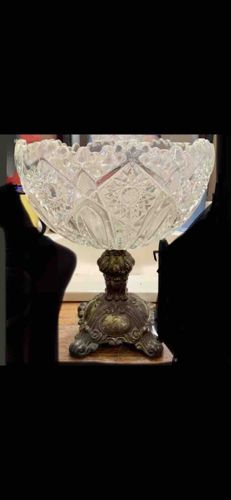
Cut Crystal Bowl on Ornate Metal Stand

This name is the AI's identification of the item — it may be incorrect.

Submitted photo of Cut Crystal Bowl on Ornate Metal Stand
Photo submitted by the user — not generated by AI

AI Estimated Value

Not an official valuation

$600-900

AI estimate as of October 29, 2025 · verify with a professional before acting

AI-Generated · Verify before acting

Everything on this page is generated by AI for informational purposes only. AI can make mistakes — the AI may misidentify items or misattribute them (artist, maker, brand, designer, origin, era). This is not an official valuation and should not be used for insurance, sale, tax, estate, legal, or lending purposes — or any decision requiring a certified appraisal. It is not an authoritative claim about any person, brand, or rights holder — do not share or rely on it as a factual statement about a third party. Always consult qualified professionals before making financial decisions.

Read the full disclaimer

AI Item Analysis

This exquisite item features a large, clear cut crystal bowl mounted on a highly ornate, antique-style metal stand. The crystal bowl exhibits an intricate pattern of geometric cuts, including prominent starburst motifs within diamond-shaped sections and cross-hatching, indicative of quality brilliant cut glass. The rim of the bowl appears scalloped or serrated, adding to its decorative appeal and refracting light beautifully. The crystal itself shows good clarity and brilliance, suggesting a high lead content typically found in older, higher-quality pieces. There are no immediately visible chips, cracks, or repairs on the crystal, though a thorough inspection would be required to confirm its pristine condition. The metal stand is dark-toned, likely bronze, brass, or cast iron with a patinated finish that suggests age. It features an elaborate design with curved, scrolled elements, possibly rocaille or neo-classical influences, and rests on four distinct feet, giving it a stable and elevated presence. The style suggests it could be late 19th to early 20th century, a period known for combining fine cut glass with decorative metalwork. The combination of materials and craftsmanship points to a decorative centerpiece or serving vessel, possibly for fruit or sweets. The detailed scrollwork on the metal base, along with the complexity of the crystal's facets, indicates a high degree of craftsmanship and attention to detail.
AI Appraisal Report

Having visually examined this cut crystal bowl on an ornate metal stand, I can offer the following appraisal. The crystal bowl appears to be a high-quality brilliant-cut piece, displaying intricate geometric patterns including starbursts and cross-hatching. The scalloped rim further enhances its decorative appeal and light refraction. The clarity and brilliance suggest a high lead content, characteristic of valuable older crystal. From the image, no chips, cracks, or repairs are immediately apparent, indicating good to excellent condition for the crystal. However, a physical inspection is crucial to confirm this; minor fleabites or internal flaws might not be visible in photographs. The metal stand, likely bronze or brass, exhibits elaborate scrolling and rocaille or neo-classical influences, consistent with late 19th to early 20th-century decorative arts. The dark patinated finish suggests authenticity and age. The craftsmanship evident in both the crystal and the metalwork points to a desirable decorative object. Market conditions for such pieces are stable, with demand driven by collectors of antique decorative arts and those seeking elegant home decor. Comparables often feature similar high-quality cut glass paired with ornate metal bases, fetching prices in this range depending on the intricacy and condition. Rarity is moderate; while many such items were produced, pieces in this apparent condition with complex designs are less common. Factors significantly impacting value include the confirmed absence of damage, the material composition of the metal (bronze being more desirable than cast iron), and the specific manufacturer if identifiable. Limitations in authenticity verification from an image alone are significant; I cannot definitively assess the crystal's exact lead content, confirm the metal's composition, or fully inspect for minor damage. An in-person examination would allow for tactile inspection, UV light testing for repairs, and a more precise material analysis. Provenance documentation, such as original purchase receipts or family history, would further enhance its value and authenticity.

Keep exploring

More decorative arts appraisals

Get your items appraised

Instant AI-powered appraisal estimates from a photo

Browse More Appraisals