AI Appraisal Estimate

AI-generated estimates · not official valuations

From the user

What was submitted

Photo and notes provided by the user — not generated by AI

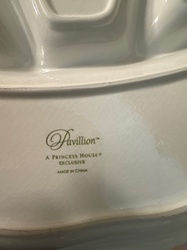
Submitted item photo
Submitted photo · June 1, 2026

User's notes

Westwood

AI analysis below

AI appraisal

AI analysis & estimate

AI-Generated · Verify before acting

Everything below is generated by AI for informational purposes only. AI can make mistakes — the AI may misidentify items or misattribute them (artist, maker, brand, designer, origin, era). This is not an official valuation and should not be used for insurance, sale, tax, estate, legal, or lending purposes — or any decision requiring a certified appraisal. It is not an authoritative claim about any person, brand, or rights holder — do not share or rely on it as a factual statement about a third party. Always consult qualified professionals before making financial decisions.

Note

This analysis also relies on unverified notes provided by the user, which may be incomplete or inaccurate and could affect the result.

Read the full disclaimer

AI Identification

·Not independently authenticated·Verify before acting

Westwood Ceramics Pale Green Banded Serving Bowl

Kitchen & Dining - Serveware

AI Estimated Value

·Not an official valuation·Verify before acting

$15.00-$25.00

As of June 1, 2026

AI Item Analysis

·AI can make mistakes·Verify before acting
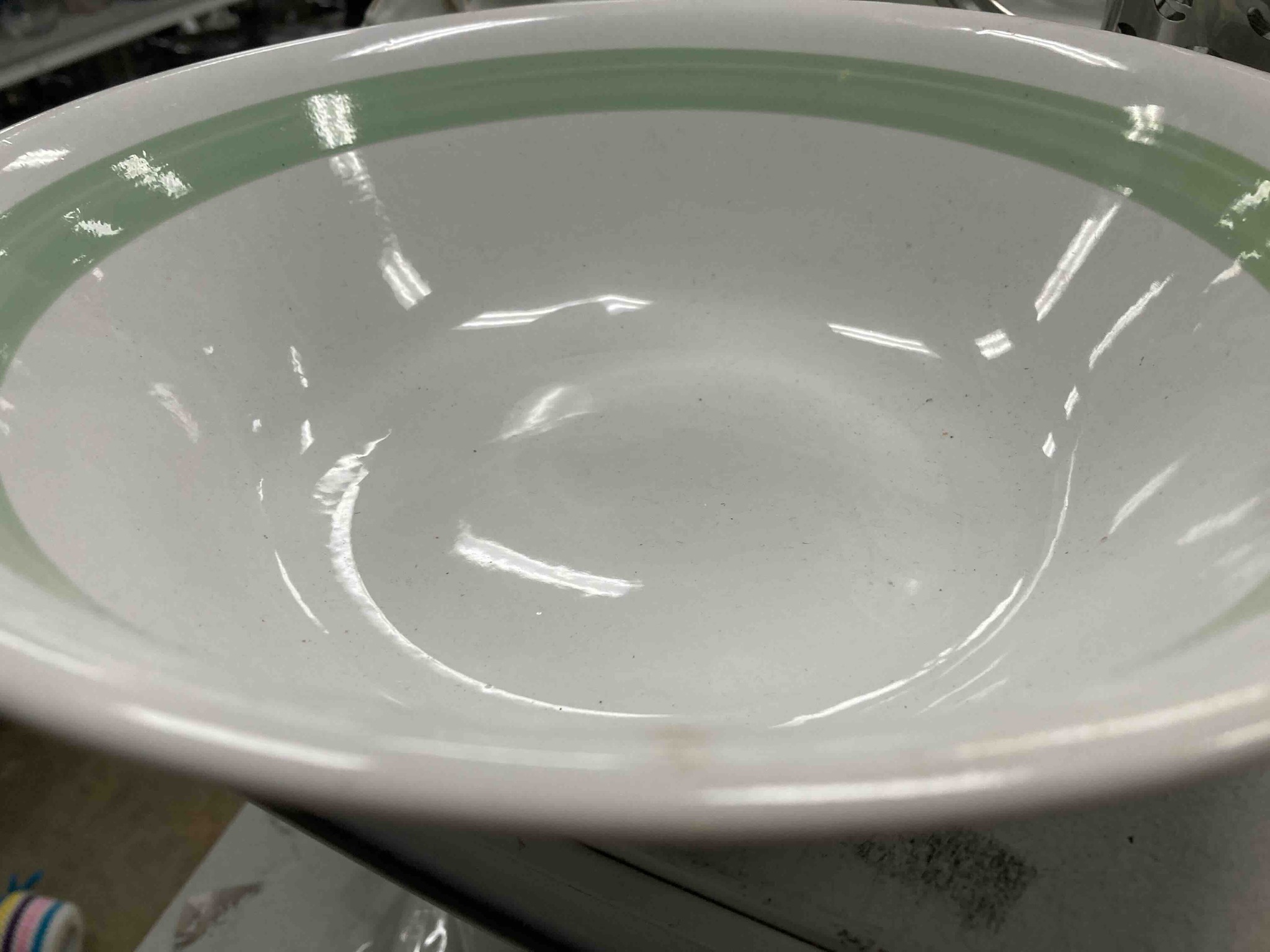
This item is a circular ceramic serving bowl, likely part of an ironstone or stoneware collection from Westwood. The piece is characterized by a bright white interior glaze accented by a single, wide, pale sage green horizontal band that circles the inner rim. The bowl features a medium-depth concave profile with a smooth, reflective surface that shows a high-gloss finish. Based on the thick-walled construction and the specific 'Westwood' brand context provided, this bowl likely dates to the mid-20th century, specifically the 1960s or 1970s, which is consistent with the minimalist color palette and sturdy utility-ware style. The craftsmanship is industrial yet clean, typical of commercial-grade dinnerware intended for high-frequency use. Regarding its condition, the bowl exhibits signs of moderate wear, including visible surface scuffing, stray dark marks (scuffs), and some minor pitting or production bubbles within the glaze. There are also visible light-colored blemishes on the rim area that may indicate where the glaze has thinned or received impact. The color of the band is consistent, though it shows some slight fading or opacity variations common in transfer-ware or painted bands from this era. No large cracks or structural repairs are immediately visible in the provided view, though the presence of utensil marks suggests it has been used for its intended purpose.
AI Appraisal Report

·AI can make mistakes·Verify before acting
I have examined the digital images of the Westwood Ceramics serving bowl. The item serves as a classic example of mid-to-late 20th-century American utility-ware, likely produced for the casual dining or institutional market. The minimalist design, featuring a pale sage green band on a white ironstone body, aligns with production trends from the 1960s-1970s. Regarding condition, the bowl shows signs of moderate use consistent with its age, including surface scuffing, stray dark marks, and minor glaze pitting. While these are common for high-frequency utility-ware, they do detract from the desirability for 'mint-condition' collectors. The craftsmanship is professional and industrial; however, the observed thinning of the glaze on the rim and small production bubbles are typical of the era's mass-production techniques rather than artisan errors. Market demand for Westwood-branded ironstone is currently stable but modest. It is generally sought after by 'replacement' buyers looking to complete existing sets or by vintage enthusiasts looking for functional, mid-century kitchen aesthetics. It does not carry the high high-collector premium of brands like Heath Ceramics or Franciscan. Note: This appraisal is based solely on digital imagery. For a definitive authentication, I would need a physical inspection to verify the tactile quality of the glaze, confirm the presence of any underglaze backstamps, and rule out structural hairline cracks or internal crazing not visible in the photos. Scientific testing of the glaze composition or provenance documentation from the original point of sale would be required to establish 100% historical certainty.

Get your items appraised

Instant estimates of your treasures with AI-powered appraisals

Browse More Appraisals