AI Appraisal Estimate

AI-generated estimates · not official valuations

From the user

What was submitted

Photo and notes provided by the user — not generated by AI

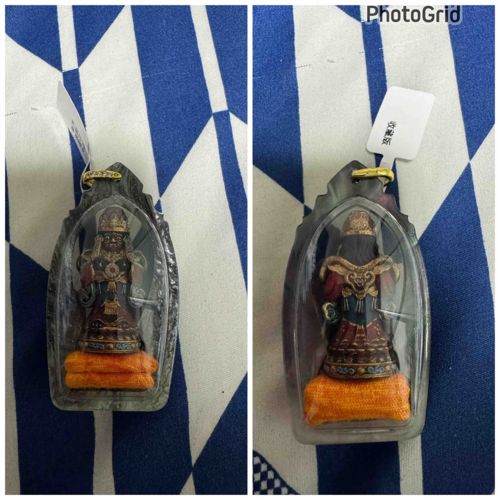
Submitted item photo
Submitted photo · May 23, 2026

User's notes

Zajilamu 20 years old from tibet

AI analysis below

AI appraisal

AI analysis & estimate

AI-Generated · Verify before acting

Everything below is generated by AI for informational purposes only. AI can make mistakes — the AI may misidentify items or misattribute them (artist, maker, brand, designer, origin, era). This is not an official valuation and should not be used for insurance, sale, tax, estate, legal, or lending purposes — or any decision requiring a certified appraisal. It is not an authoritative claim about any person, brand, or rights holder — do not share or rely on it as a factual statement about a third party. Always consult qualified professionals before making financial decisions.

Note

This analysis also relies on unverified notes provided by the user, which may be incomplete or inaccurate and could affect the result.

Read the full disclaimer

AI Identification

·Not independently authenticated·Verify before acting

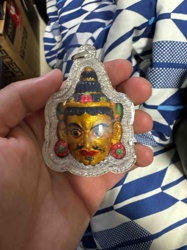
Tibetan Enamel Deity Amulet Pendant (Zajilamu / Drashi Lhamo)

Tibetan Religious Artifacts and Protective Amulets

AI Estimated Value

·Not an official valuation·Verify before acting

$150 - $250

As of May 23, 2026

AI Item Analysis

·AI can make mistakes·Verify before acting
This item is a contemporary Tibetan protective amulet featuring a miniature statuette of the deity Zajilamu (also known as Drashi Lhamo, the Tibetan Goddess of Fortune or the 'Spirit of Luck'). The central figure is likely cast from a base metal alloy, intricately decorated with cold enameling or lacquer in vibrant shades of deep red, teal, black, and gold. The deity is depicted in a traditional wrathful or semi-wrathful aspect, wearing an ornate crown and stylized robes featuring floral and geometric motifs. The figure rests upon a small, padded orange cushion or fabric base, which provides both stability and a ceremonial aesthetic within its housing. The entire figure is encased in a protective acrylic or resin pendant case, typically used for amulets to prevent environmental damage and allow for wear. The outer frame of the case is crafted from a dark, variegated material—possibly carved horn, dark resin, or dyed stone—featuring a jagged, flame-like top silhouette. A gold-toned bail is attached to the upper part of the frame for suspension from a cord or chain. Notable features include the fine detail of the deity's facial features and the filigree-like patterns on the back of the costume. The item appears to be in very good condition, consistent with its stated age of approximately 20 years, showing typical light surface scratching on the protective casing but no significant structural damage or fading to the internal pigment. While there are no visible maker's marks, the craftsmanship reflects high-quality contemporary devotional or 'tourist-commerce' art produced in Tibet or the surrounding Himalayan regions. A white paper tag with Chinese characters (收藏版 - Shōucáng bǎn, meaning 'Collector's Edition') is visible, suggesting it was marketed as a high-tier or limited-run piece for practitioners or collectors.
AI Appraisal Report

·AI can make mistakes·Verify before acting
I have carefully examined the provided images of this Tibetan Zajilamu (Drashi Lhamo) protective amulet. The piece is a well-executed example of contemporary Himalayan devotional art produced within the last 20 years. The central figure displays vibrant cold enameling on a cast metal alloy, housed in a protective resin or acrylic casing with a flame-motif dark frame. The 'Shoucang ban' (Collector's Edition) tag indicates this was marketed as a premium item for tourists or practitioners rather than an ancient heirloom. The condition is excellent, showing only minor surface abrasions on the housing that do not detract from the deity's visibility. Market demand for Drashi Lhamo items is currently steady due to her status as a patron of wealth and luck, though the high volume of similar contemporary pieces produced in Lhasa and Kathmandu keeps prices accessible. Because this is a mid-range contemporary item rather than a historical bronze, its value is determined more by craftsmanship and aesthetic appeal than antique rarity. Limitations of this appraisal: A visual inspection cannot determine the exact composition of the frame material or the base metal of the deity. A physical examination could confirm if the frame is organic horn or a synthetic composite. For a definitive authentication as a specific workshop piece, provenance documentation or a certificate of blessing from a Tibetan monastery would be required.

Get your items appraised

Instant estimates of your treasures with AI-powered appraisals

Browse More Appraisals