AI Appraisal Estimate

AI-generated estimates · not official valuations

From the user

What was submitted

Photo and notes provided by the user — not generated by AI

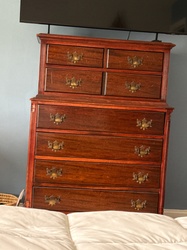
Submitted item photo
Submitted photo · June 10, 2026

User's notes

No additional notes provided.

AI analysis below

AI appraisal

AI analysis & estimate

AI-Generated · Verify before acting

Everything below is generated by AI for informational purposes only. AI can make mistakes — the AI may misidentify items or misattribute them (artist, maker, brand, designer, origin, era). This is not an official valuation and should not be used for insurance, sale, tax, estate, legal, or lending purposes — or any decision requiring a certified appraisal. It is not an authoritative claim about any person, brand, or rights holder — do not share or rely on it as a factual statement about a third party. Always consult qualified professionals before making financial decisions.

Read the full disclaimer

AI Identification

·Not independently authenticated·Verify before acting

Octagonal Two-Tier End Table with Glass Top

Furniture

AI Estimated Value

·Not an official valuation·Verify before acting

$60-120

As of June 10, 2026

AI Item Analysis

·AI can make mistakes·Verify before acting
This is a two-tier end table or nightstand, likely constructed from wood or a wood composite, featuring a rich reddish-brown, possibly mahogany or cherry, stain with a glossy finish. The overall form is octagonal, which is most evident in the shape of the top surface and the supporting base. The top surface is covered with a fitted piece of clear glass, which has a slightly dusty appearance, indicating regular use or a need for cleaning. Below the glass top is a recessed wooden panel. The table has a consistent finish throughout, suggesting it was manufactured as a single unit rather than being assembled from disparate parts. The design includes open sides with vertical slat-like elements connecting the top, middle, and bottom sections, providing structural support and an aesthetic detail. There is a single shelf positioned between the main top surface and the bottom, creating two functional tiers for storage or display. The base of the table is also octagonal, mirroring the top, and rests on four small, rounded bun feet, which lift the piece slightly off the floor. The craftsmanship appears to be machine-made, common for mass-produced furniture. Visible condition issues include a layer of dust on the glass top and general wear consistent with its likely use as a bedside or living room accent table. No significant damage like deep scratches, chips, or repairs are clearly discernible from the image, but the overall appearance suggests it is a used item. The style points towards a traditional or transitional aesthetic, possibly dating from the late 20th century to early 21st century.
AI Appraisal Report

·AI can make mistakes·Verify before acting
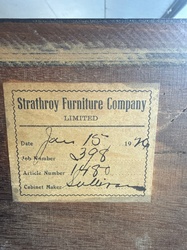
I have examined the provided image of this Octagonal Two-Tier End Table with Glass Top. Based on its visual characteristics, I assess it to be a mass-produced, late 20th to early 21st-century piece of furniture. The reddish-brown stain, likely mahogany or cherry, and glossy finish suggest a traditional or transitional aesthetic. Condition appears good for its age and type, showing expected minor wear and a dusty glass top, but no discernible major damage like deep scratches, chips, or structural issues. Authenticity as a mass-produced item is assumed, as there are no hallmarks of artisan craftsmanship or unique design. This table fits into the common category of functional end tables or nightstands. Market conditions for such pieces are generally stable but competitive. Demand is moderate, typically driven by individuals furnishing homes on a budget or seeking functional accent pieces. Rarity is low; similar octagonal, two-tier tables are widely available from various manufacturers, both new and in the secondary market. Factors significantly impacting value are its good, though used, condition and its functional utility. However, its mass-produced nature and lack of distinctive artistic or historical significance limit its upside appraisal value. Limitations in authenticity verification are significant. Without an in-person examination, I cannot definitively determine the exact wood species (e.g., solid wood vs. wood composite), the quality of joinery, or the presence of any manufacturer's marks or labels. A physical inspection would allow for a more precise assessment of structural integrity and minor cosmetic flaws not visible in the image. Provenance documentation would be useful if the piece were attributed to a specific designer or manufacturer, but for this item, it is unlikely to significantly impact value. Scientific testing is not applicable here as it would typically be reserved for verifying materials in high-value antiques or art.

Get your items appraised

Instant estimates of your treasures with AI-powered appraisals

Browse More Appraisals