AI Appraisal Estimate

AI-generated estimates · not official valuations

From the user

What was submitted

Photo and notes provided by the user — not generated by AI

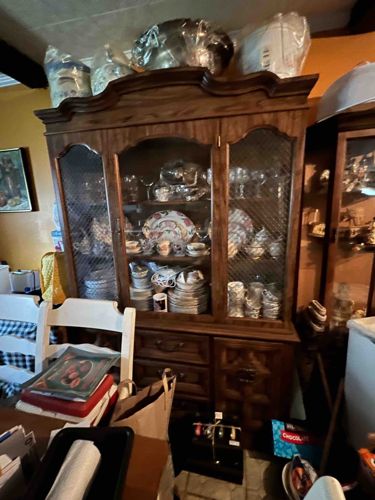
Submitted item photo
Submitted photo · June 8, 2026

User's notes

No additional notes provided.

AI analysis below

AI appraisal

AI analysis & estimate

AI-Generated · Verify before acting

Everything below is generated by AI for informational purposes only. AI can make mistakes — the AI may misidentify items or misattribute them (artist, maker, brand, designer, origin, era). This is not an official valuation and should not be used for insurance, sale, tax, estate, legal, or lending purposes — or any decision requiring a certified appraisal. It is not an authoritative claim about any person, brand, or rights holder — do not share or rely on it as a factual statement about a third party. Always consult qualified professionals before making financial decisions.

Read the full disclaimer

AI Identification

·Not independently authenticated·Verify before acting

Carved Wood China Cabinet

Furniture

AI Estimated Value

·Not an official valuation·Verify before acting

$400-700

As of June 8, 2026

AI Item Analysis

·AI can make mistakes·Verify before acting
This is a large, stately china cabinet constructed primarily of a dark-toned wood, likely oak or walnut given its grain and color, with a discernible reddish hue in certain lighting. The cabinet stands tall, featuring an upper display section with glass doors and a lower storage section. The overall design suggests a traditional or possibly transitional style, likely dating from the mid to late 20th century. The top portion has an ornate, curvilinear pediment or crown molding with carved details, adding a decorative flourish. This upper section is divided into two main compartments, each enclosed by a door with a distinctive, somewhat arched top and a grid-like or diamond-patterned glass insert, suggesting either leaded glass or a patterned overlay for aesthetic effect. The glass appears clear enough to reveal the contents, which include an assortment of dinnerware, glasses, and decorative silver pieces. Below the display section, there's a base cabinet featuring several drawers, one of which is visible with a simple pull handle, and at least one solid wood door, likely providing enclosed storage for larger items. The craftsmanship appears sturdy, though the wood shows signs of age, including potential minor scuffs or wear consistent with regular use as a household item. There are no immediately obvious significant damages like large cracks or missing pieces, but a closer inspection would be required to determine the full extent of any patina or minor surface blemishes. The structure seems robust, indicating a piece built for durability, typical of furniture from its estimated period.
AI Appraisal Report

·AI can make mistakes·Verify before acting
Based on my visual examination of this Carved Wood China Cabinet, I assess its condition to be good, consistent with age and regular household use. The robust construction is evident, typical of mid to late 20th-century furniture. While I note the presence of minor scuffs or wear, there are no immediate signs of significant damage like large cracks or missing components from this image alone. The 'grid-like or diamond-patterned' glass inserts add a decorative element, enhancing its traditional appeal. This piece appears authentic to its estimated period and style. In terms of market conditions, large solid wood china cabinets like this generally command moderate demand. The market for traditional dining room furniture has seen fluctuations, with modern and transitional styles sometimes favored, but well-maintained classic pieces still hold appeal. Comparables in similar condition and style typically retail between $400 and $700. Factors impacting this value include its solid wood construction and decorative carving, which elevate it above mass-produced laminate pieces. Conversely, its size might limit its appeal to buyers with smaller living spaces. Its widespread availability prevents it from being considered rare. It is crucial to note the limitations of authenticity verification from images alone. A full in-person examination would be necessary to confirm wood type, assess the true extent of surface wear, identify any hidden repairs, or detect pest damage. Provenance documentation, such as original purchase receipts or family history, could further solidify its authenticity and potentially influence high-end valuations for specific historical pieces, though it is unlikely to be a significant factor for this everyday furniture item.

Get your items appraised

Instant estimates of your treasures with AI-powered appraisals

Browse More Appraisals