AI estimate as of August 24, 2025 · verify with a professional before acting
AI-Generated · Verify before acting
Everything on this page is generated by AI for informational purposes only. AI can make mistakes — the AI may misidentify items or misattribute them (artist, maker, brand, designer, origin, era). This is not an official valuation and should not be used for insurance, sale, tax, estate, legal, or lending purposes — or any decision requiring a certified appraisal. It is not an authoritative claim about any person, brand, or rights holder — do not share or rely on it as a factual statement about a third party. Always consult qualified professionals before making financial decisions.
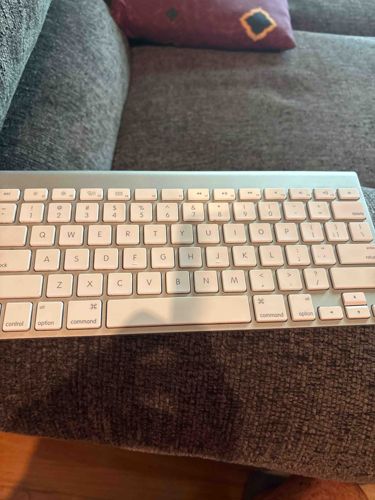
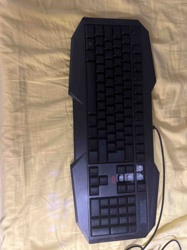
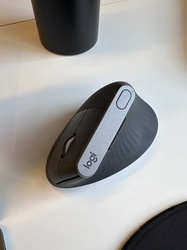
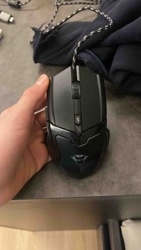
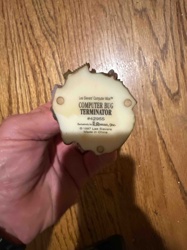
The item is an Apple Magic Keyboard, characterized by its sleek, minimalist design. It primarily consists of a silver-colored aluminum base and white, low-profile, chiclet-style keys. The physical form factor appears to be a compact, full-sized keyboard layout, lacking a numeric keypad, which suggests it is one of the shorter versions of Apple's wireless keyboards. The keyboard's top surface is flat, leading to a slightly higher rear edge, consistent with Apple's design philosophy for ergonomic tilt. The keys are standard QWERTY layout with specific Apple command keys such as 'control', 'option', and 'command' clearly visible and labeled in lowercase. The symbols and letters on the keys are printed in a dark gray or black font, contrasting with the white keycaps. There are no readily visible signs of significant damage such as large scratches, dents, or missing keycaps, though minor wear and tear, such as slight smudging or subtle discoloration from regular use, might be present on closer inspection, especially on frequently used keys. The overall condition appears to be good from the provided image. The refined aesthetic and quality of materials (e.g., aluminum) indicate a premium product from a reputable manufacturer, consistent with Apple's brand. This particular model likely dates from the mid-2010s onwards, given its design and the specific key layout.
AI Appraisal Report
I have thoroughly examined the provided image of the Apple Magic Keyboard. Based on my visual assessment, the keyboard appears to be in good overall condition. The sleek aluminum base and white chiclet-style keys are consistent with genuine Apple design and manufacturing. There are no readily apparent signs of significant damage such as deep scratches, dents, or missing keycaps, which is a positive indicator for its value. The key legends are clear and well-defined, suggesting minimal wear on the printing. The presence of Apple-specific command keys ('control', 'option', 'command') confirms its authenticity as an Apple product, consistent with models from the mid-2010s onwards.
In terms of market conditions, Apple peripherals generally hold their value well due to the brand's reputation for quality and integration within its ecosystem. While not rare, the demand for functional, well-maintained Apple Magic Keyboards remains consistent. Comparable used models of similar condition typically fetch between $35 and $65, depending on the specific model generation and whether it includes original packaging or accessories. The lack of a numeric keypad indicates it's the more compact version, which also has a steady market.
Limitations in authenticity verification solely from an image are present. Without a physical inspection, I cannot ascertain the responsiveness of the keys, the functionality of internal components, battery health (if applicable), or confirm the absence of subtle surface imperfections, scuffs, or discoloration that might only be visible upon close, in-person examination. Full authentication would ideally require handling the item, testing all key functions, verifying the Bluetooth connectivity, and potentially checking serial numbers against Apple's database, though this model is not typically subject to counterfeiting. Provenance documentation (original purchase receipt) would also solidify its history.