AI identification & appraisal estimate

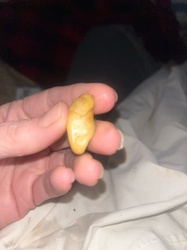
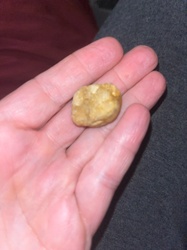
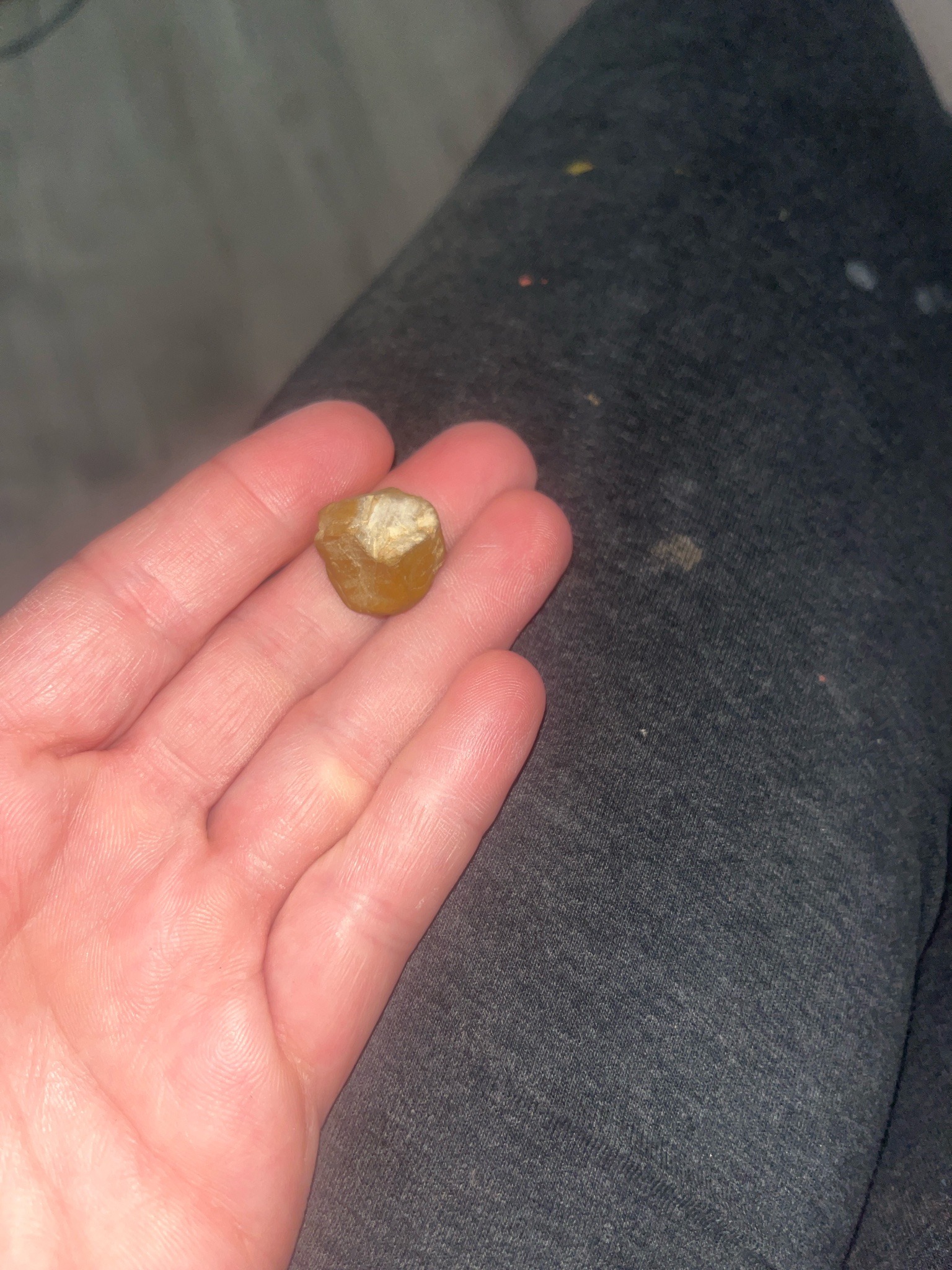
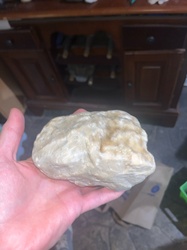
Yellow-toned mineral specimen appearing consistent with citrine or honey calcite

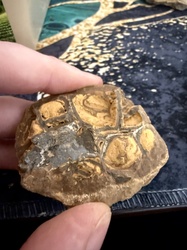
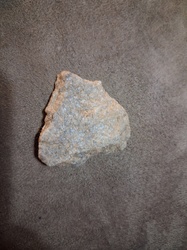
Submitted photo of Yellow-toned mineral specimen appearing consistent with citrine or honey calcite
Photo submitted by the user — not generated by AI

AI Estimated Value

Not an official valuation

$1.00 - $10.00

AI estimate as of June 30, 2026 · verify with a professional before acting

AI-Generated · Verify before acting

Everything on this page is generated by AI for informational purposes only. AI can make mistakes — the AI may misidentify items or misattribute them (artist, maker, brand, designer, origin, era). This is not an official valuation and should not be used for insurance, sale, tax, estate, legal, or lending purposes — or any decision requiring a certified appraisal. It is not an authoritative claim about any person, brand, or rights holder — do not share or rely on it as a factual statement about a third party. Always consult qualified professionals before making financial decisions.

Read the full disclaimer

AI Item Analysis

This small, unrefined mineral specimen is approximately the size of a fingernail and exhibits a translucent quality with a warm, honey-yellow to golden-brown coloration. The specimen is roughly hexagonal or rounded in its overall silhouette, bearing a waxy or vitreous luster on its outer surfaces. One side of the stone displays a lighter, more opaque white or cream-colored inclusion or matrix, which may indicate where the crystal was attached to a larger cluster or host rock. The surface texture appears largely smooth but uneven, with subtle natural facets or fracture planes visible under the light. There are no maker's marks, signatures, or inscriptions, as this appears to be a natural geological sample rather than a manufactured object. The identification as citrine or honey calcite is a hypothesis based on visual chromatic cues; without physical hardness tests or chemical analysis, these common yellow minerals cannot be distinguished from one another or from synthetic glass simulants. The piece shows typical natural irregularities including minor internal veining and surface pitting, but no signs of artificial cutting or polishing.
AI Appraisal Report

Based on my visual examination of the provided image, I have evaluated this small mineral specimen, which presents characteristics consistent with a hypothesis of citrine or honey calcite. The item is approximately the size of a fingernail, exhibiting a vitreous to waxy luster and a warm honey-yellow coloration. From what I can see, the specimen appears to be in a natural, unrefined state with visible inclusions and a small portion of matrix or host rock. I cannot verify the mineral species from a photo alone; physical hardness tests or specific gravity measurements would be required for a more accurate identification. The value estimate is based on the assumption that this is a common geological sample. Small, unpolished specimens of this type are widely available on the market, often sold by weight or in bulk lots. General market demand for common yellow minerals of this diminutive size is typically low, as they lack the clarity for high-end gem cutting or the significant size valued by mineral collectors. If this specimen were found to be a synthetic glass simulant or a common quartzite, the market value would be at the lower end of the provided range or negligible. To confirm the identity and potential value, an in-person examination by a gemologist or mineralogist would be necessary. This report assumes the item is a natural sample; however, given the prevalence of treated or synthetic materials in the trade, visual cues alone are not sufficient for a conclusive identification. The value would only increase significantly if the specimen were part of a rare, documented mineral locality with established provenance, which cannot be determined here.

Keep exploring

More rocks and minerals appraisals

Get your items appraised

Instant AI-powered appraisal estimates from a photo

Browse More Appraisals