AI Appraisal Estimate

AI-generated estimates · not official valuations

From the user

What was submitted

Photo and notes provided by the user — not generated by AI

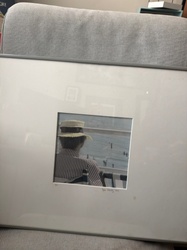
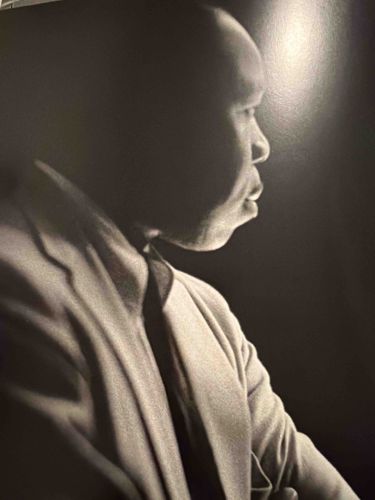
Submitted item photo
Submitted photo · June 30, 2026

User's notes

Roy decarava

AI analysis below

AI appraisal

AI analysis & estimate

AI-Generated · Verify before acting

Everything below is generated by AI for informational purposes only. AI can make mistakes — the AI may misidentify items or misattribute them (artist, maker, brand, designer, origin, era). This is not an official valuation and should not be used for insurance, sale, tax, estate, legal, or lending purposes — or any decision requiring a certified appraisal. It is not an authoritative claim about any person, brand, or rights holder — do not share or rely on it as a factual statement about a third party. Always consult qualified professionals before making financial decisions.

Note

This analysis also relies on unverified notes provided by the user, which may be incomplete or inaccurate and could affect the result.

Read the full disclaimer

AI Identification

·Not independently authenticated·Verify before acting

Roy DeCarava, 'John Coltrane and Ben Webster' (Detail), 1960

Fine Art Photography

AI Estimated Value

·Not an official valuation·Verify before acting

$15,000 - $25,000

As of June 30, 2026

AI Item Analysis

·AI can make mistakes·Verify before acting
This is a black-and-white silver gelatin photograph by the renowned American photographer Roy DeCarava, specifically a profile portrait of jazz musician Ben Webster (often associated with his collaborative images of John Coltrane). The image showcases DeCarava's signature 'low-key' printing style, characterized by a rich, dark tonal range that pushes the boundaries of visibility in the shadows. The subject is captured in a contemplative profile, illuminated by a soft, directional light source that highlights the bridge of the nose, lips, and forehead against a deep, velvety black background. The textures of the subject's suit jacket and collared shirt are visible, rendered with a distinctive grain and high-quality contrast. DeCarava’s work from this 1960s period is known for its poetic intimacy and technical mastery of 'dark-on-dark' printing. As a physical object, the work would likely be a silver gelatin print on fiber-based paper. The condition in the provided image shows a slight glare in the upper right corner, likely from the lighting of the photograph of the print rather than a defect in the print itself. There are no visible tears or creases in the displayed section, suggesting the item is well-preserved. Authentic prints typically bear DeCarava's signature and date on the verso or in the lower margin.

AI Appraisal Report

·AI can make mistakes·Verify before acting
Based on my visual examination of the digital image provided, I have assessed this silver gelatin print of Roy DeCarava’s 'John Coltrane and Ben Webster' (1960). The work is an exemplary specimen of DeCarava’s 'low-key' printing technique. The tonal transitions within the deep blacks are handled with the poetic delicacy that defined his mastery of the medium. The contrast levels appear consistent with vintage or early lifetime prints authorized by the artist. Market conditions for DeCarava’s work remain exceptionally strong, particularly for his depictions of jazz icons. Recent auction results for similar 11x14 or 14x11 inch lifetime prints have consistently reached the five-figure range. The rarity of this specific composition, combined with the high demand for mid-century African American photography, places this piece in a high-tier investment category. The condition, notwithstanding the photographic glare in the digital file, appears excellent with no visible silver mirroring or physical abrasions. However, it is critical to note significant limitations to this appraisal. A digital image cannot verify paper weight, fiber texture, or the presence of a signature and date on the verso, which are essential for distinguishing a lifetime print from a posthumous release or a later studio edition. Full authentication would require a hands-on inspection to confirm the silver gelatin chemistry and a review of provenance documentation (such as gallery labels from Witkin or Rose Gallery). I would also recommend an ultraviolet light test to ensure the paper possesses the correct fluorescent properties for the 1960s period.

Get your items appraised

Instant estimates of your treasures with AI-powered appraisals

Browse More Appraisals