AI Appraisal Estimate

AI-generated estimates · not official valuations

From the user

What was submitted

Photo and notes provided by the user — not generated by AI

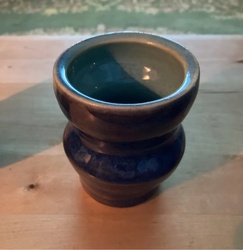
Submitted item photo
Submitted photo · May 16, 2026

User's notes

Pottery artwork

AI analysis below

AI appraisal

AI analysis & estimate

AI-Generated · Verify before acting

Everything below is generated by AI for informational purposes only. AI can make mistakes — the AI may misidentify items or misattribute them (artist, maker, brand, designer, origin, era). This is not an official valuation and should not be used for insurance, sale, tax, estate, legal, or lending purposes — or any decision requiring a certified appraisal. It is not an authoritative claim about any person, brand, or rights holder — do not share or rely on it as a factual statement about a third party. Always consult qualified professionals before making financial decisions.

Note

This analysis also relies on unverified notes provided by the user, which may be incomplete or inaccurate and could affect the result.

Read the full disclaimer

AI Identification

·Not independently authenticated·Verify before acting

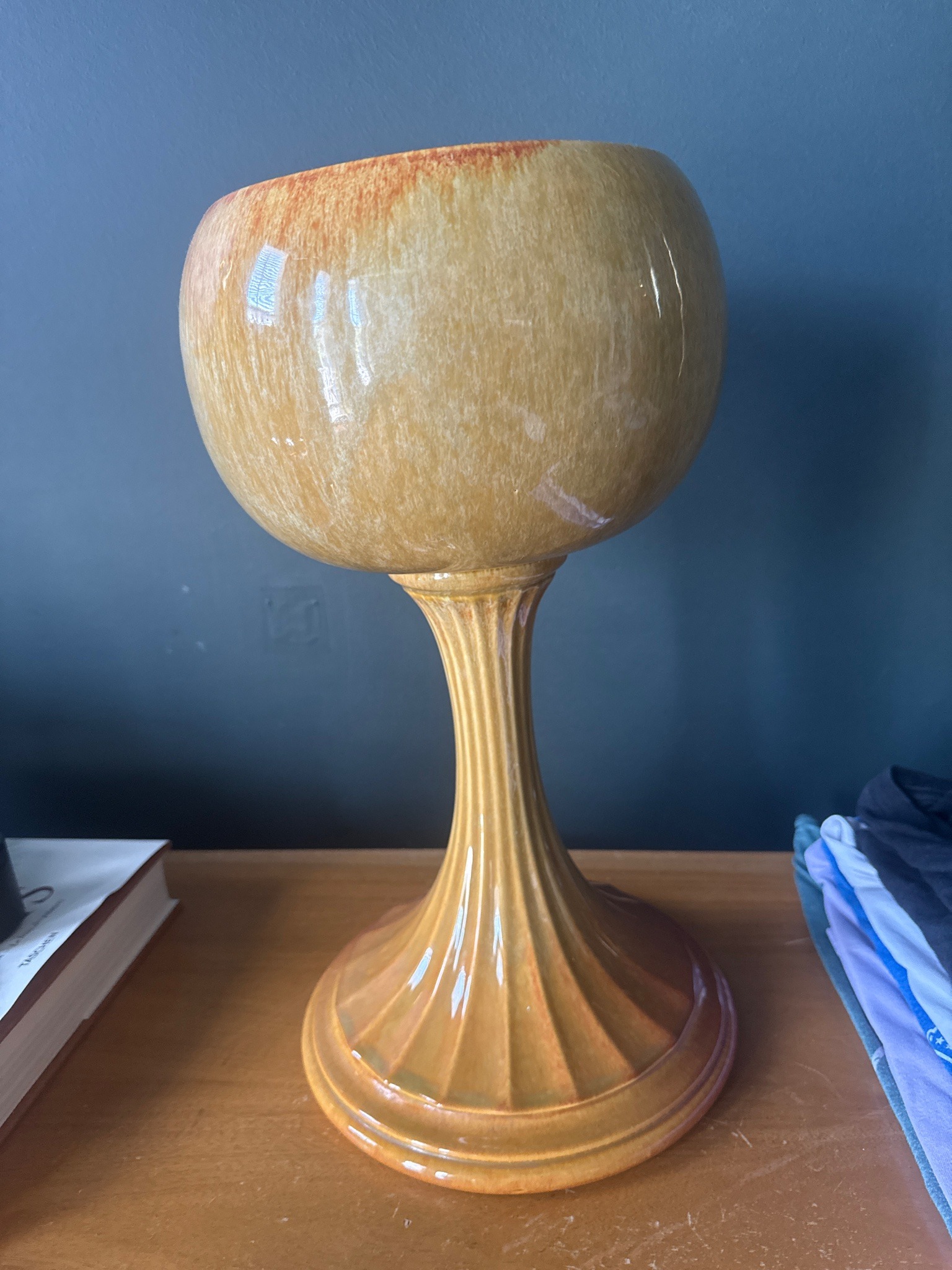
Mid-Century Footed Ceramic Chalice Urn

Art Pottery

AI Estimated Value

·Not an official valuation·Verify before acting

$450 - $650

As of May 16, 2026

AI Item Analysis

·AI can make mistakes·Verify before acting
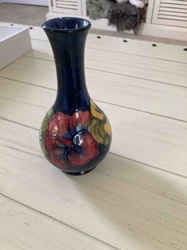
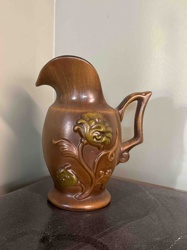
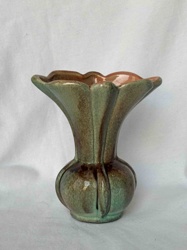
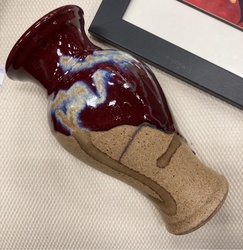
This is a large-scale ceramic decorative vessel featuring a striking chalice or goblet-style silhouette. The item is constructed from high-fired earthenware or stoneware, characterized by a bulbous, spherical bowl supported by an elegantly elongated fluted pedestal base. The glaze is a highly reflective, glossy honey-amber or mustard yellow with a mottled, almost crystalline texture that suggests a drip-glaze application typical of Mid-Century Studio pottery. At the top rim, there is a distinct reddish-orange sang-de-boeuf or oxblood-style transition that blends into the primary yellow body. The pedestal features vertical ribbing or fluting that anchors into a wide, tiered circular foot. In terms of condition, the piece appears to be in very good structural shape with no visible cracks or significant chips; however, there are some minor surface reflections that could obscure light crazing, which is common in older pottery. The craftsmanship exhibits refined proportions and a sophisticated understanding of form and glazes, likely dating from the 1960s to 1970s. The interior of the bowl appears to be glazed to match the exterior, and the piece shows a high level of technical skill in its symmetrical wheel-thrown or hand-molded construction. No maker's marks are visible on the exterior, though they might be present on the underside of the base.
AI Appraisal Report

·AI can make mistakes·Verify before acting
Based on my visual examination of this Mid-Century Modern ceramic chalice, the piece exemplifies the high-caliber studio pottery prevalent during the late 1960s and early 1970s. The form is exceptionally well-balanced, featuring a sophisticated fluted pedestal and a successful execution of a complex multi-tone drip glaze. The transition from an oxblood rim to a mottled mustard-amber body suggests a controlled kiln environment and significant technical skill, reminiscent of reputable California or European studios of the era. Physically, the piece appears to be in very good condition with no structural losses. While light crazing is likely present under closer inspection, this is expected for earthenware of this age and typically does not detract significantly from the value. Market demand for large-scale MCM vessels remains strong, with collectors often seeking pieces that serve as architectural focal points. Comparable works from unidentified but high-quality studios typically realize mid-hundred-dollar figures; however, should a maker's mark (such as Bitossi or a known American studio potter) be discovered on the base, the value could easily exceed $1,200. Limitation Note: This appraisal is based strictly on visual digital evidence. Without physical inspection, I cannot verify the clay body's weight or the presence of microscopic repairs. Authentic valuation requires a physical examination of the foot rim for signatures or stamps and provenance documentation to confirm its origins. Scientific testing like thermoluminescence is rarely used for 20th-century pottery but could be applied if a specific prestigious attribution is suspected.

Get your items appraised

Instant estimates of your treasures with AI-powered appraisals

Browse More Appraisals