AI Appraisal Estimate

AI-generated estimates · not official valuations

From the user

What was submitted

Photo and notes provided by the user — not generated by AI

Submitted item photo
Submitted photo · June 23, 2026

User's notes

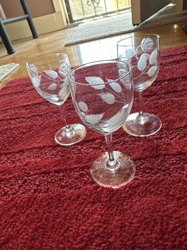
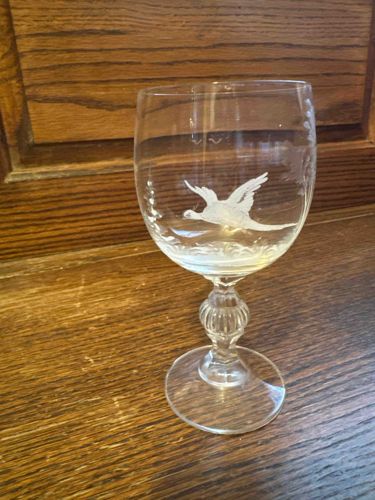
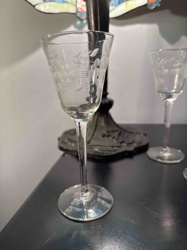
Clear small wine glass with etched pheasant and landscape of plants and trees

AI analysis below

AI appraisal

AI analysis & estimate

AI-Generated · Verify before acting

Everything below is generated by AI for informational purposes only. AI can make mistakes — the AI may misidentify items or misattribute them (artist, maker, brand, designer, origin, era). This is not an official valuation and should not be used for insurance, sale, tax, estate, legal, or lending purposes — or any decision requiring a certified appraisal. It is not an authoritative claim about any person, brand, or rights holder — do not share or rely on it as a factual statement about a third party. Always consult qualified professionals before making financial decisions.

Note

This analysis also relies on unverified notes provided by the user, which may be incomplete or inaccurate and could affect the result.

Read the full disclaimer

AI Identification

·Not independently authenticated·Verify before acting

Vintage Etched Crystal Wine Goblet with Flying Pheasant Motif

Vintage Glassware & Stemware

AI Estimated Value

·Not an official valuation·Verify before acting

$45 - $75

As of June 23, 2026

AI Item Analysis

·AI can make mistakes·Verify before acting
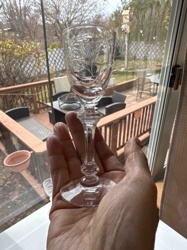
This item is a clear crystal or glass wine goblet featuring a distinctive baluster stem and wheel-etched decoration. The centerpiece of the bowl is a detailed etching of a pheasant in mid-flight, characterized by delicate frosted engraving to suggest feathers and movement. The bird is set within a stylized landscape of plants and trees that wrap partially around the circumference of the bowl. The vessel features a rounded tulip-shaped bowl supported by a short, ornate stem. The stem includes a vertically ribbed or gadrooned knop (bulbous section) between two hexagonal or faceted joints, leading down to a circular, flat foot. In terms of construction, the clarity of the glass suggests a lead crystal composition, likely from the mid-20th century. The etching technique shows a depth of craftsmanship common in European glassworks, particularly those in the Bohemian or German tradition of 'Jagdglass' (hunting glass). The condition appears excellent with no visible chips or cracks on the rim or base. There is no discernible maker's mark in the photograph, but the style is consistent with traditional sporting-themed glassware used for formal post-hunt gatherings. The height appears to be approximately 5 to 6 inches, typical for a white wine or smaller red wine serving.
AI Appraisal Report

·AI can make mistakes·Verify before acting
Based on my visual examination of this vintage wine goblet, the piece appears to be a mid-century lead crystal vessel executed in the Bohemian 'Jagdglass' tradition. The wheel-etched pheasant motif is well-rendered with appropriate frosting, and the baluster stem with a gadrooned knop indicates a higher quality of production than standard domestic glassware. The condition is assessed as excellent, with the clarity of the crystal suggesting a high lead content and no visible clouding or flea bites. Market demand for hunting-themed glassware remains steady but niche, primarily driven by collectors of sporting art or traditional European table settings. This specific style—a tulip bowl with hexagonal faceted joints—is characteristic of German glassworks like Theresienthal or Josephinenhütte, though the absence of a visible maker's signature or acid stamp places it in the category of high-quality attribution rather than confirmed provenance. Comparable single goblets from this era typically realize between $40 and $80 at auction; value is significantly higher when part of a consistent set of six or twelve. This appraisal is based on photographic evidence only. A physical inspection is required to confirm the presence of microscopic wear on the base (indicative of age), to check for 'resonance' (the ring of the crystal), and to examine the etching for tell-tale signs of hand-tooling versus modern sandblasting. Definitive authentication would require identifying a specific manufacturer's mark, often found faintly on the center of the foot, or provenance documentation from the original point of sale.

Get your items appraised

Instant estimates of your treasures with AI-powered appraisals

Browse More Appraisals