AI Appraisal Estimate

AI-generated estimates · not official valuations

From the user

What was submitted

Photo and notes provided by the user — not generated by AI

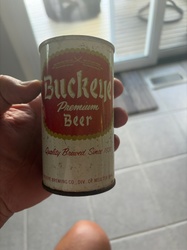
Submitted item photo
Submitted photo · June 21, 2026

User's notes

No additional notes provided.

AI analysis below

AI appraisal

AI analysis & estimate

AI-Generated · Verify before acting

Everything below is generated by AI for informational purposes only. AI can make mistakes — the AI may misidentify items or misattribute them (artist, maker, brand, designer, origin, era). This is not an official valuation and should not be used for insurance, sale, tax, estate, legal, or lending purposes — or any decision requiring a certified appraisal. It is not an authoritative claim about any person, brand, or rights holder — do not share or rely on it as a factual statement about a third party. Always consult qualified professionals before making financial decisions.

Read the full disclaimer

AI Identification

·Not independently authenticated·Verify before acting

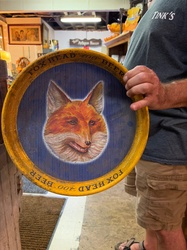
Vintage Grolsch Swing-Top Beer Bottle

Antique/Vintage Breweriana and Glassware

AI Estimated Value

·Not an official valuation·Verify before acting

$5.00 - $12.00

As of June 21, 2026

AI Item Analysis

·AI can make mistakes·Verify before acting
This is a vintage Grolsch brewery beer bottle, distinguished by its signature deep emerald green glass and mechanical swing-top closure. The bottle features a molded glass body with embossed script lettering and a central crest emblem containing hops and grain motifs. The swing-top mechanism consists of a galvanized steel wire bail, a ceramic (porcelain) stopper, and a red rubber gasket for an airtight seal. Physically, the bottle has a bulbous base tapering into a long, slender neck typical of European lager presentations. Regarding condition, the item is heavily soiled with surface dust, cobwebs, and organic residue, indicating it has been in long-term storage or was potentially a 'barn find.' The red rubber gasket appears somewhat dry-rotted and compressed, which is common for bottles of this age, likely dating from the mid-to-late 20th century. The wire closure shows signs of surface oxidation but remains mechanically intact. The glass itself does not show immediate evidence of deep cracks or major chipping, though 'flea bites' may exist under the grime. The embossed 'Grolsch' branding is crisp, showcasing the quality of the glass mold used by the Royal Grolsch Holland brewery. This specific style of bottle is a collector's staple, valued both for its brewing history and its secondary use as a decorative or functional vessel for home-brewing.
AI Appraisal Report

·AI can make mistakes·Verify before acting
I have conducted a visual examination of this vintage Grolsch swing-top bottle. Based on the embossed crest and the porcelain stopper, this appears to be an authentic mid-to-late 20th-century production from the Royal Grolsch Holland brewery. The emerald green glass retains its structural integrity, though the item is currently in 'as-found' condition, characterized by significant surface accumulation, cobwebs, and oxidation on the galvanized wire bail. From a market perspective, these bottles were mass-produced in the millions and are widely available. While they are iconic examples of breweriana, they lack the rarity required for high-valuation collectibles. Comparables for uncleaned, standard-sized Grolsch bottles typically fall in the $5-8 range at estate sales, while cleaned specimens in 'gift-ready' condition reach $12-15. The primary value drivers for this item are its utility for home-brewers and its appeal as a rustic decorative piece. The dry-rotted condition of the red rubber gasket and the oxidation on the metal components negatively impact the immediate value, as these parts would require replacement for functional use. Conversely, the crispness of the embossed glass suggests the mold was in good condition at the time of manufacture. Limitations: My assessment is based solely on the provided description and visual data. A physical inspection is required to check for 'flea bites' or hairline fractures hidden under the residue. To fully authenticate the age, I would need to examine the glass seam lines and base markings for specific manufacturer codes. Scientific testing of the porcelain composition or chemical analysis of the glass would be necessary to rule out modern reproductions, though given the low market value, such testing is generally not cost-effective.

Get your items appraised

Instant estimates of your treasures with AI-powered appraisals

Browse More Appraisals