AI Appraisal Estimate

AI-generated estimates · not official valuations

From the user

What was submitted

Photo and notes provided by the user — not generated by AI

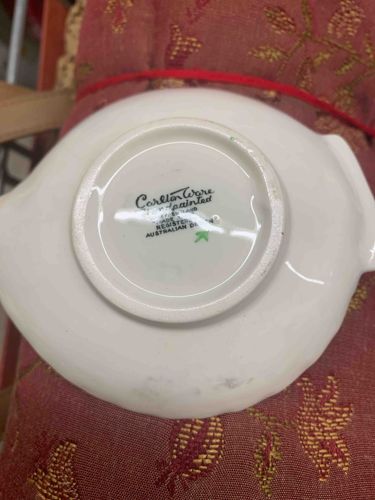
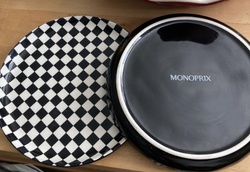
Submitted item photo
Submitted photo · June 1, 2026

User's notes

No additional notes provided.

AI analysis below

AI appraisal

AI analysis & estimate

AI-Generated · Verify before acting

Everything below is generated by AI for informational purposes only. AI can make mistakes — the AI may misidentify items or misattribute them (artist, maker, brand, designer, origin, era). This is not an official valuation and should not be used for insurance, sale, tax, estate, legal, or lending purposes — or any decision requiring a certified appraisal. It is not an authoritative claim about any person, brand, or rights holder — do not share or rely on it as a factual statement about a third party. Always consult qualified professionals before making financial decisions.

Read the full disclaimer

AI Identification

·Not independently authenticated·Verify before acting

Carlton Ware Handpainted Gravy Boat / Serving Dish (Underside)

Ceramic Tableware

AI Estimated Value

·Not an official valuation·Verify before acting

$20-45

As of June 1, 2026

AI Item Analysis

·AI can make mistakes·Verify before acting
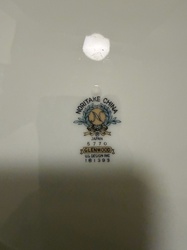
The item is identified as a ceramic dish, most likely a gravy boat or a small serving dish, produced by Carlton Ware. The visible portion shows the underside of the piece, revealing a glossy white glaze that covers the ceramic body. The base features a raised circular footrim, providing stability and elevating the main body of the dish slightly from the resting surface. Within this footrim, the manufacturer's mark is clearly visible, printed in black script. The mark reads "Carlton Ware Handpainted Made in England Australian Design Registered". Below this text, a small, stylized green leaf or star appears, possibly a pattern number or an additional factory mark. The overall construction appears sturdy, typical of commercial ceramic production. There are no visible chips, cracks, or substantial crazing on the underside, suggesting the item is in good to very good condition for its age. Minor scuff marks or light discoloration can be observed on the white glaze around the footrim, indicative of typical gentle use and age-related wear. The "Handpainted" designation suggests a decorative element on the upper surface, not visible in this image. Given the 'Australian Design Registered' mark, it is likely part of a line specifically designed for or marketed in Australia. Carlton Ware was known for its distinctive designs and high-quality earthenware, especially during the mid-20th century, which would place its estimated age generally between the 1930s and 1960s based on the style of the backstamp and the 'Australian Design Registered' aspect.
AI Appraisal Report

·AI can make mistakes·Verify before acting
Based on my examination of the provided image of the underside, this item is identified as a Carlton Ware handpainted gravy boat or small serving dish. The backstamp, which reads "Carlton Ware Handpainted Made in England Australian Design Registered," is consistent with authentic marks from the manufacturer, likely dating the piece to the mid-20th century (circa 1930s-1960s). The "Australian Design Registered" mark indicates it was produced for a specific market, which can add to its interest for certain collectors. Visually, the underside appears to be in very good condition, with no observable chips or cracks and only minor wear on the footrim consistent with its age and gentle use. Without viewing the top, decorative side of the dish, the valuation remains conditional. The value of Carlton Ware is highly dependent on the specific pattern, its rarity, and its condition. Popular patterns like 'Mikado' or Art Deco designs command higher prices than more common floral or leafware designs. The current market for mid-century Carlton Ware is steady, with a dedicated collector base, particularly in the UK and Australia. Comparable individual gravy boats or small servers in common patterns typically sell for modest amounts. Its specific value is heavily reliant on the unseen pattern on the obverse. For a definitive valuation and authentication, a physical inspection is essential to assess the painted decoration for any damage, restoration, or wear, and to confirm the absence of hairline cracks not visible in the image.

Get your items appraised

Instant estimates of your treasures with AI-powered appraisals

Browse More Appraisals