AI Appraisal Estimate

AI-generated estimates · not official valuations

From the user

What was submitted

Photo and notes provided by the user — not generated by AI

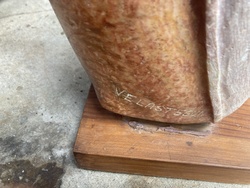
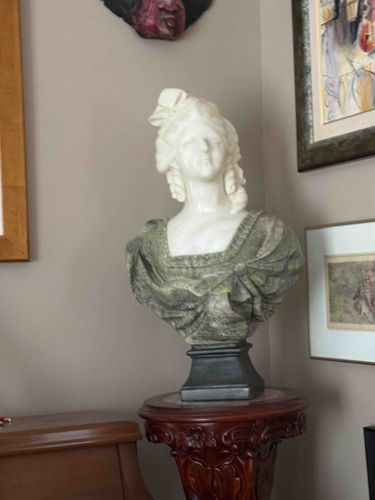
Submitted item photo
Submitted photo · June 3, 2026

User's notes

No additional notes provided.

AI analysis below

AI appraisal

AI analysis & estimate

AI-Generated · Verify before acting

Everything below is generated by AI for informational purposes only. AI can make mistakes — the AI may misidentify items or misattribute them (artist, maker, brand, designer, origin, era). This is not an official valuation and should not be used for insurance, sale, tax, estate, legal, or lending purposes — or any decision requiring a certified appraisal. It is not an authoritative claim about any person, brand, or rights holder — do not share or rely on it as a factual statement about a third party. Always consult qualified professionals before making financial decisions.

Read the full disclaimer

AI Identification

·Not independently authenticated·Verify before acting

Neoclassical Style Bicolor Carved Alabaster or Marble Bust of a Noblewoman

Fine Art / Sculpture

AI Estimated Value

·Not an official valuation·Verify before acting

$1,800 - $2,500

As of June 3, 2026

AI Item Analysis

·AI can make mistakes·Verify before acting
This is a detailed portrait bust depicting a woman in 18th-century fashion, likely crafted in the late 19th or early 20th century in the Neoclassical or Romantic tradition. The sculpture is constructed using two distinct types of stone to create a striking contrast: a white, translucent material (likely alabaster or Carrara-type marble) for the head, neck, and chest, and a variegated green-grey veined stone for the ornate drapery of her square-necked gown. The figure features a tall, powdered-style ‘pouffe’ hairstyle adorned with a bow or ribbon, with long curls cascading down the sides of her neck. The craftsmanship shows significant attention to the texture of the fabric, with deep folds and a ruffled neckline. The bust is mounted on a dark, possibly slate or blackened stone socle base with a stepped profile. Regarding condition, there appears to be some minor surface soiling and a slight patina characteristic of aged stone. The face has somewhat soft features, suggesting the use of alabaster, which allows for light penetration but is prone to minor surface abrasions over time. No major fractures or repairs are immediately visible, though the join between the two stone types is a critical point for structural integrity. The style reflects the Grand Tour aesthetic popular with collectors who desired classical European-influenced decor.
AI Appraisal Report

·AI can make mistakes·Verify before acting
I have examined the digital representation of this Neoclassical bicolor bust. The piece is a fine example of late 19th-century 'Grand Tour' sculpture, likely of Italian origin. The use of white alabaster for the flesh and a variegated verde marble for the garment follows the tradition of polychrome sculpture revitalized during the 19th century. The carving of the 'pouffe' hairstyle and the ruffled bodice shows a high degree of technical competence. In the current market, decorative marble and alabaster busts remain in steady demand for interior design, particularly those featuring bicolor compositions which are more visually striking than monochromatic examples. Similar pieces from the 1880-1920 period typically auction between $1,500 and $3,000 depending on size and sculptor signature. The condition appears fair, with expected softening of the alabaster features due to its porous nature and light surface patination. However, several critical factors cannot be determined without physical inspection. First, the join between the head and the garment must be checked for stable adhesive or pinning. Second, I cannot confirm the presence of a signature, which would significantly increase value. Third, microscopic examination is required to rule out composite resins or 'bonded marble' techniques, though the veining here suggests natural stone. Full authentication would require a provenance check (bill of sale or exhibition history) and a hands-on inspection to verify the absence of hidden fractures or professional restorations to the nose and hair ribbons, which are common areas for repair in such pieces.

Get your items appraised

Instant estimates of your treasures with AI-powered appraisals

Browse More Appraisals