AI identification & appraisal estimate

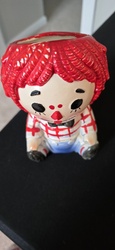
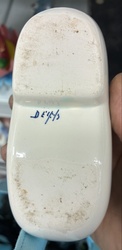
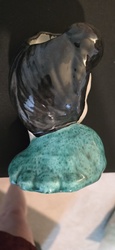
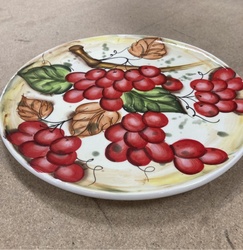
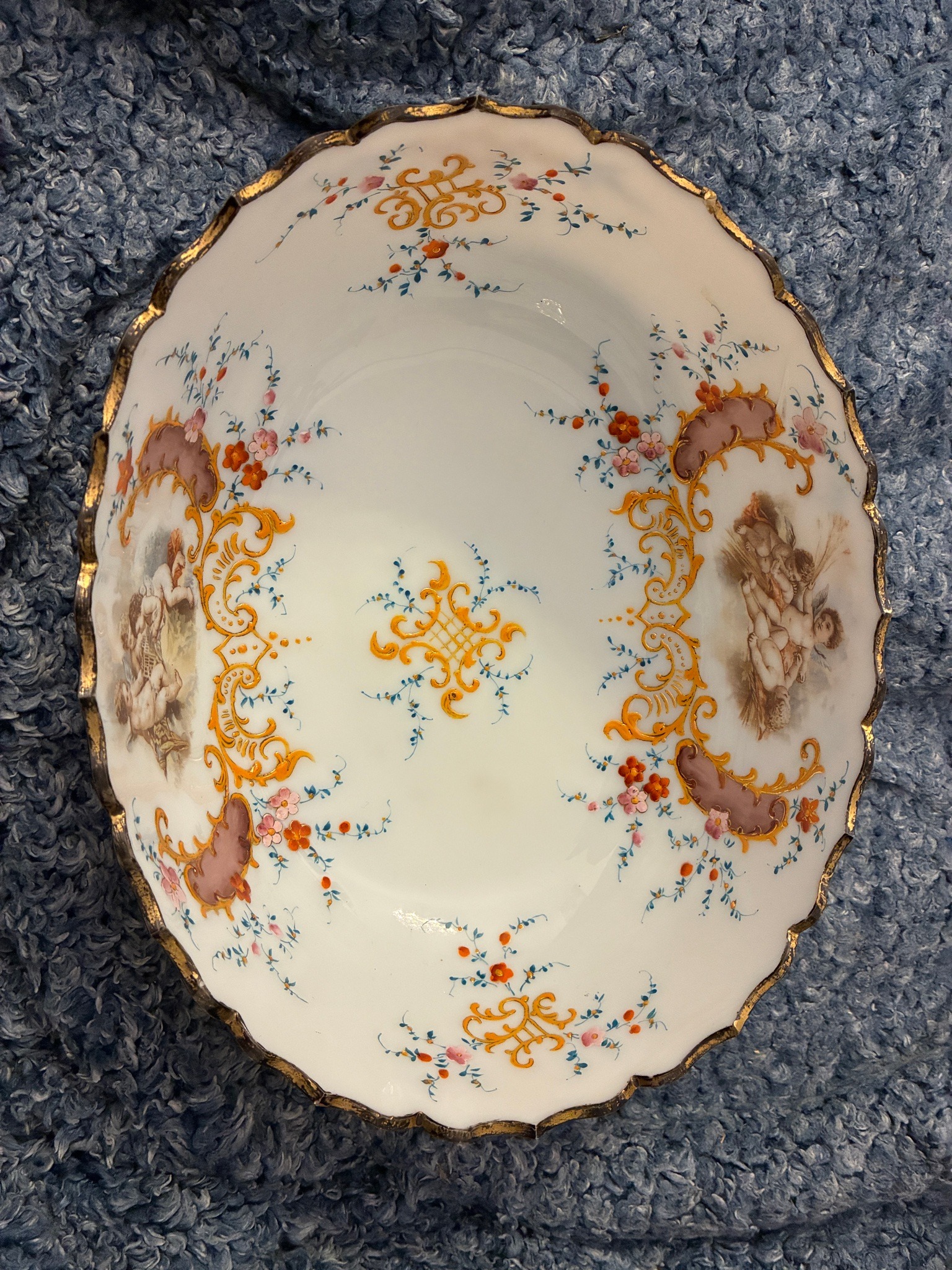
Hand-painted porcelain bowl with figural reserves

Submitted photo of Hand-painted porcelain bowl with figural reserves
Photo submitted by the user — not generated by AI

User's notes

Deep bowl (milk glass or porcelain?)

These notes were written by the person who submitted this item. Appraiser.AI has not verified them, and the AI's identification and estimate may rely on them.

AI Estimated Value

Not an official valuation

$300-600

AI estimate as of August 23, 2026 · verify with a professional before acting

AI-Generated · Verify before acting

Everything on this page is generated by AI for informational purposes only. AI can make mistakes — the AI may misidentify items or misattribute them (artist, maker, brand, designer, origin, era). This is not an official valuation and should not be used for insurance, sale, tax, estate, legal, or lending purposes — or any decision requiring a certified appraisal. It is not an authoritative claim about any person, brand, or rights holder — do not share or rely on it as a factual statement about a third party. Always consult qualified professionals before making financial decisions.

This analysis also relies on unverified notes provided by the user, which may be incomplete or inaccurate and could affect the result.

Read the full disclaimer

AI Item Analysis

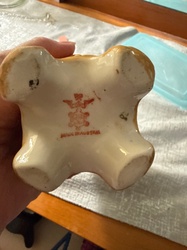
This is a decorative, scalloped ceramic bowl featuring elaborate polychrome and gilt surface decoration. The physical characteristics include a white glazed porcelain body, a lobed or scalloped rim embellished with gilding, and finely detailed hand-painted scenes set within rococo-style cartouches. The central interior features a small gilt floral motif surrounded by scattered floral sprays in blue, pink, and orange enamel. Two opposing medallions depict classical or mythological figural scenes, likely depicting putti or cherubs, rendered in brownish tones. The gilding along the scalloped edge shows minor signs of wear and rubbing, which is consistent with age and handling. There are no visible maker's marks or stamps apparent on the interior surface shown in the photograph, leaving the exact manufacturer unverified. The stylistic elements, such as the elaborate raised gilding, pastel floral motifs, and figural reserves, are consistent with mid-to-late 19th-century European porcelain production, possibly originating from French or German factories like Limoges or Meissen, though this remains an unverified stylistic guess based strictly on visual cues. The owner's notes describe the item as a deep bowl made of milk glass or porcelain, an attribution that highlights the uncertainty of the exact ceramic material without physical inspection. The quality of the hand-painted details and the raised gilding suggest careful craftsmanship, but the attribution rests entirely on stylistic observations rather than legible stamps or signatures.
AI Appraisal Report

Based on what I can see in the provided photograph, this is a decorative, scalloped ceramic bowl featuring polychrome enamels and raised gilding with figural reserves. The owner notes describe the item as a deep bowl made of milk glass or porcelain, though I can't verify from a photo whether the material is indeed porcelain or glass, and physical inspection would be needed to confirm. The stylistic features—such as the pastel floral sprays and rococo-style cartouches—are suggestive of mid-to-late 19th-century European production, possibly associated with factories like Limoges or Meissen, but without visible maker's marks or signatures, this remains an unverified hypothesis based strictly on visual cues. The estimate range of $300 to $600 assumes that the item is a period-authentic piece consistent with 19th-century European decorative ceramics. General market demand for items of this type tends to be modest, and values are heavily influenced by condition, quality of hand-painting, and demonstrable maker attribution. The minor wear and rubbing visible along the gilt scalloped edge are consistent with age and handling, but impact the value. If physical inspection reveals the piece to be a later reproduction, copy, or made 'in the style of' rather than a period piece, the market value would likely decrease significantly, dropping into the $75 to $150 range. To better understand the value and potentially support an attribution, an in-person examination by a ceramics specialist, hallmark verification, and possible provenance documentation would be required.

Keep exploring

More decorative ceramics appraisals

Get your items appraised

Instant AI-powered appraisal estimates from a photo

Browse More Appraisals