AI Appraisal Estimate

AI-generated estimates · not official valuations

From the user

What was submitted

Photo and notes provided by the user — not generated by AI

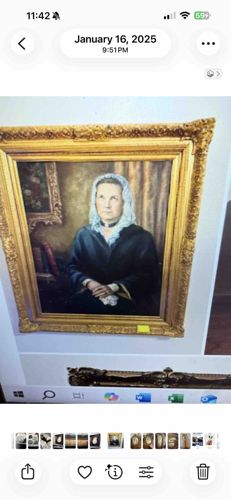
Submitted item photo
Submitted photo · June 8, 2026

User's notes

Vintage picture

AI analysis below

AI appraisal

AI analysis & estimate

AI-Generated · Verify before acting

Everything below is generated by AI for informational purposes only. AI can make mistakes — the AI may misidentify items or misattribute them (artist, maker, brand, designer, origin, era). This is not an official valuation and should not be used for insurance, sale, tax, estate, legal, or lending purposes — or any decision requiring a certified appraisal. It is not an authoritative claim about any person, brand, or rights holder — do not share or rely on it as a factual statement about a third party. Always consult qualified professionals before making financial decisions.

Note

This analysis also relies on unverified notes provided by the user, which may be incomplete or inaccurate and could affect the result.

Read the full disclaimer

AI Identification

·Not independently authenticated·Verify before acting

Late Victorian Style Matriarch Portrait in Gilt Gesso Frame

Fine Art - Portraiture

AI Estimated Value

·Not an official valuation·Verify before acting

$1,200 - $1,800

As of June 8, 2026

AI Item Analysis

·AI can make mistakes·Verify before acting
This item is a 19th-century style oil-on-canvas portrait of a seated woman, likely a family matriarch. The subject is depicted in a somber, dark-colored Victorian dress, accented with a lace collar and a sheer, light-colored lace veil or bonnet. She wears a black choker necklace, a common accessory of the late 19th century. Her gaze is directed upward in a pious or contemplative expression, which was a stylistic choice in 19th-century portraiture to denote virtue. The background includes domestic interior elements like books and a draped curtain, rendered in warm, dark tones. The painting is housed in an ornate, heavy gilt gesso and wood frame. The frame features traditional rococo-revival motifs including scrolling acanthus leaves, corner fleur-de-lis flourishes, and a textured inner liner. Regarding condition, the frame appears to have minor chips and age-appropriate wear to the gilding, particularly at the corners. There is a yellow sticker on the bottom rail of the frame, possibly an auction or inventory tag. The canvas shows a generally well-preserved surface, though some craquelure might be present under close inspection due to the age of the medium. The style suggests an origin in the late 1800s or early 1900s.

AI Appraisal Report

·AI can make mistakes·Verify before acting
I have virtually examined this Late Victorian oil-on-canvas portrait and its associated gilt gesso frame. The work exhibits the hallmarks of late 19th-century academic portraiture, characterized by its somber palette, 'upward gaze' iconography denoting piety, and meticulous attention to textile textures like the lace veil. The heavy gilt frame, featuring Rococo-revival motifs, appears to be contemporary to the painting, which significantly bolsters the item's decorative appeal and market value. From a condition standpoint, the canvas displays stable aging with expected surface craquelure. The frame shows minor losses to the gesso at the corners, which is typical for its age. The inventory sticker suggests possible past auction history, which often implies a level of prior institutional or professional handling. Market demand for anonymous Victorian 'Grandmother' portraits remains steady, primarily driven by the interior design market rather than fine art collectors, as the sitter and artist are currently unidentified. Critically, a valuation based on images alone has limitations. An in-person inspection is required to check for 'over-cleaning' or extensive 'in-painting' under UV light, which would decrease value. Furthermore, a physical examination of the stretcher bars and canvas reverse is necessary to confirm the dating and possible European or American origin. For full authentication and potential value appreciation, I recommend researching the provenance to identify the sitter. If the artist's signature is discovered under the frame lip, the valuation could increase substantially. Scientific testing of pigment binders would be the only way to definitively rule out a 20th-century 'in the style of' reproduction, though the visual evidence strongly suggests a period-authentic late 1800s piece.

Get your items appraised

Instant estimates of your treasures with AI-powered appraisals

Browse More Appraisals