AI identification & appraisal estimate

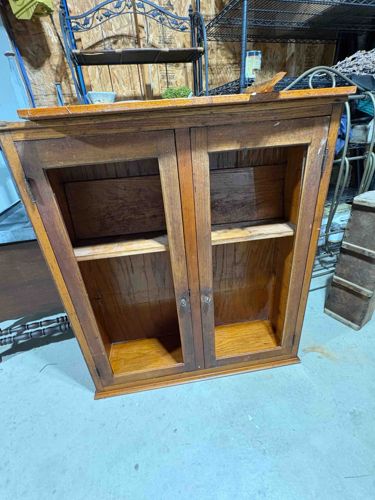
Vintage Wooden Wall-Mounted Display Cabinet

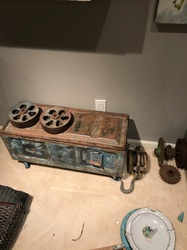
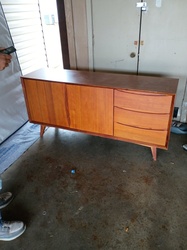
Submitted photo of Vintage Wooden Wall-Mounted Display Cabinet
Photo submitted by the user — not generated by AI

AI Estimated Value

Not an official valuation

$250-400

AI estimate as of September 22, 2025 · verify with a professional before acting

AI-Generated · Verify before acting

Everything on this page is generated by AI for informational purposes only. AI can make mistakes — the AI may misidentify items or misattribute them (artist, maker, brand, designer, origin, era). This is not an official valuation and should not be used for insurance, sale, tax, estate, legal, or lending purposes — or any decision requiring a certified appraisal. It is not an authoritative claim about any person, brand, or rights holder — do not share or rely on it as a factual statement about a third party. Always consult qualified professionals before making financial decisions.

Read the full disclaimer

AI Item Analysis

This is a vintage wall-mounted display cabinet, likely constructed from a solid hardwood such as oak, exhibiting a warm medium brown finish with visible wood grain patterns. The cabinet features two glass-fronted doors, each framed by robust wooden stiles and rails, allowing for the display of contents within. The doors are secured with small, possibly metal, knob-style pulls. Internally, the cabinet appears to have two shelves, creating three distinct display compartments on each side, though the exact configuration and adjustability of the shelves cannot be definitively determined from the image. The back panel of the cabinet shows a vertical beadboard construction, adding a classic touch. The top surface of the cabinet is flat and broad, suggesting it can also be used for displaying items or as a small storage surface. The overall construction appears to be mortise and tenon or a similar joinery method, characteristic of quality antique or vintage furniture. Visible condition issues include some general wear and tear consistent with age and use, such as minor scratches, scuffs, and possibly some fading or discoloration of the finish. There is a noticeable break or chip missing from the front lip of the top surface on the right side. The patina suggests a significant age, potentially early to mid-20th century, possibly reflecting styles like Arts and Crafts or a more generalized vernacular design. The craftsmanship seems solid and functional, with an emphasis on utility and traditional woodworking techniques. There are no immediate visible maker's marks or signatures, which would require closer inspection.
AI Appraisal Report

Based on my visual examination of the provided image, this vintage wall-mounted display cabinet exhibits characteristics consistent with early to mid-20th century construction. The visible wood grain and medium brown finish suggest a solid hardwood, likely oak, which was a popular choice for quality utilitarian furniture of the era. The two glass-fronted doors, internal shelving, and beadboard back panel contribute to its classic appeal. The construction appears sturdy, employing traditional joinery methods, which speaks to its durability and functionality. In terms of condition, I observe general wear and tear commensurate with age and use, including minor scratches and scuffs. Most notably, there is a distinct chip missing from the front lip of the top surface on the right side, which detracts somewhat from its aesthetic appeal and value. This type of damage is repairable but would incur additional cost. The absence of visible maker's marks is common for vernacular pieces; an in-person inspection would be needed to search for any hidden marks or construction subtleties. Regarding market conditions, vintage display cabinets of this style have a moderate demand, particularly from those seeking period-appropriate or farmhouse aesthetic pieces. However, its wall-mounted design can limit its appeal compared to freestanding units. Comparables in similar condition typically range from $200 to $500, with higher values for pieces in exceptional condition or with documented provenance. The damage to the top lip is a significant factor impacting its current market value, placing it on the lower end of that range. Rarity is not a major factor here, as similar cabinets were produced in fair numbers. It is crucial to note that this authenticity assessment is limited to visual cues from a single image. A full authentication would require hands-on examination to verify wood species, joinery techniques, and to search for any underlying repairs or restorations not visible here. Scientific testing, such as dendrochronology for wood dating, would be an option but is typically reserved for much higher-value items. Without provenance documentation, its history can only be inferred from its style and condition.

Keep exploring

More furniture appraisals

Get your items appraised

Instant AI-powered appraisal estimates from a photo

Browse More Appraisals