AI Appraisal Estimate

AI-generated estimates · not official valuations

From the user

What was submitted

Photo and notes provided by the user — not generated by AI

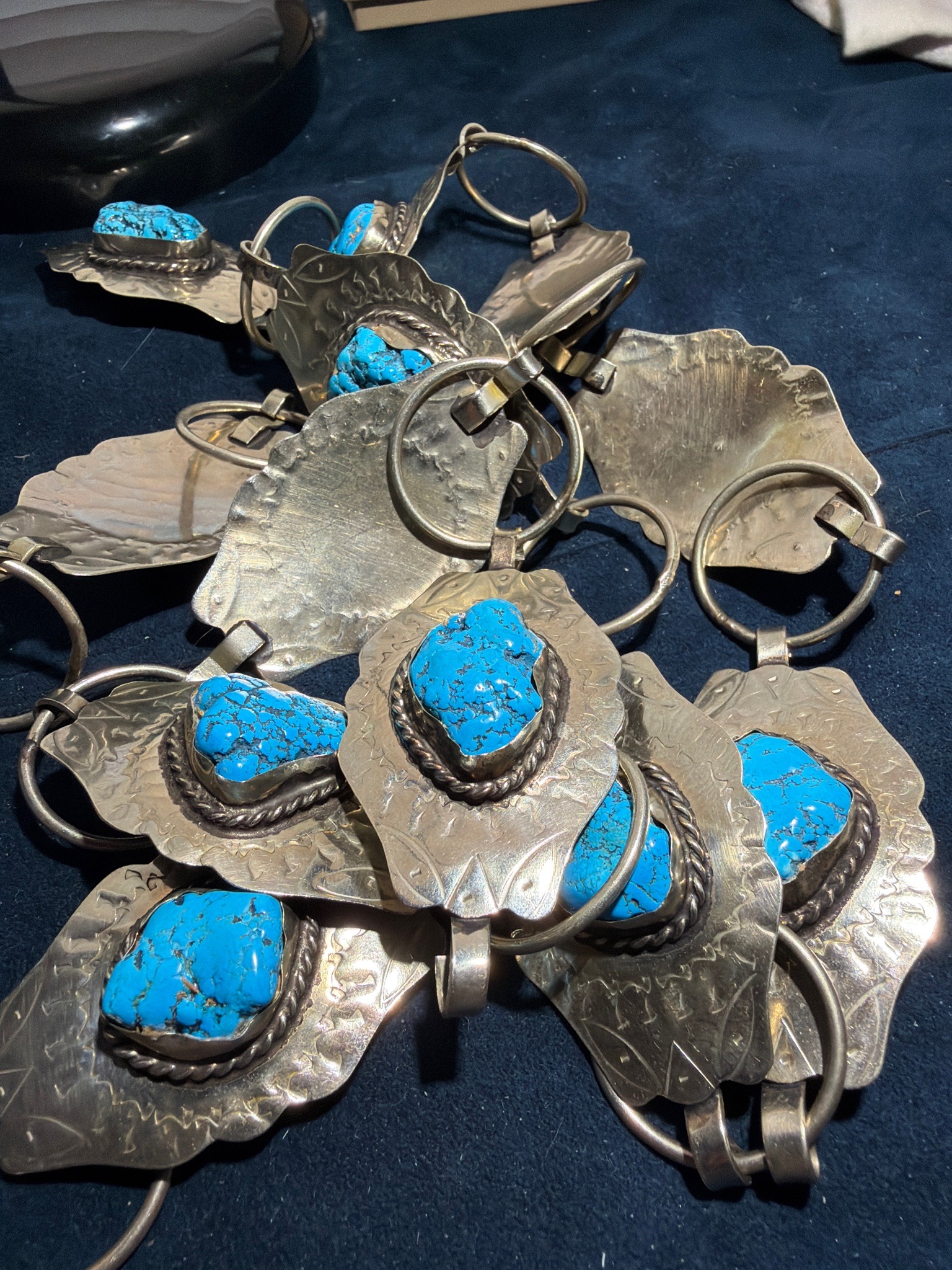
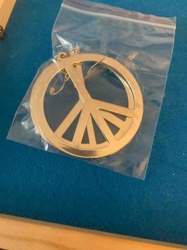
Submitted item photo
Submitted photo · June 20, 2026

User's notes

Lightweight no 925 stamp

AI analysis below

AI appraisal

AI analysis & estimate

AI-Generated · Verify before acting

Everything below is generated by AI for informational purposes only. AI can make mistakes — the AI may misidentify items or misattribute them (artist, maker, brand, designer, origin, era). This is not an official valuation and should not be used for insurance, sale, tax, estate, legal, or lending purposes — or any decision requiring a certified appraisal. It is not an authoritative claim about any person, brand, or rights holder — do not share or rely on it as a factual statement about a third party. Always consult qualified professionals before making financial decisions.

Note

This analysis also relies on unverified notes provided by the user, which may be incomplete or inaccurate and could affect the result.

Read the full disclaimer

AI Identification

·Not independently authenticated·Verify before acting

Silver-toned concho-style belt in the Southwest Indigenous manner

Jewelry and Personal Accessories

AI Estimated Value

·Not an official valuation·Verify before acting

$40–$120

As of June 20, 2026

AI Item Analysis

·AI can make mistakes·Verify before acting
This item appears to be a concho-style belt consisting of multiple silver-toned metallic plates linked by circular rings. Each plate features a central turquoise-colored stone, which is secured by a saw-tooth or serrated bezel and surrounded by a twisted wire decorative border. The metallic plates are shaped with scalloped edges and exhibit stamped or chased geometric patterns along the periphery. The user indicates that the item is lightweight and lacks a '925' stamp, which are unverified claims but suggest the material might be a white metal alloy, nickel silver, or a thin silver plate rather than solid sterling silver. The stylized turquoise stones show a porous texture and black matrix consistent with specimens used in Southwestern jewelry, though their composition remains unverified without testing. Conditions noted include surface scratches, tonal variations in the metal consistent with age or oxidation, and some irregularities in the stamped patterns indicative of handcrafted or hand-finished production. Stylistically, the piece is consistent with Mid-Century or later Southwest jewelry designs, often attributed to Navajo or Zuni traditions, though no maker's marks or hallmarks are visible to confirm origin. Hedged language is used as physical material testing and hallmark verification are not possible from the image provided.
AI Appraisal Report

·AI can make mistakes·Verify before acting
Based on my visual analysis of the provided images, I have examined this Southwest-style concho belt featuring turquoise-colored cabochons and scalloped metallic plates. From what I can see, the craftsmanship exhibits stamped geometric patterns and a twisted wire border consistent with Mid-Century Navajo or Zuni aesthetics. However, because I cannot perform physical metallurgical tests or verify a lack of hallmarks in person, I must treat the materials as unconfirmed. The user's note that the piece is lightweight and lacks a '925' stamp suggests the item is likely composed of nickel silver (German silver) or a silver-plated base metal rather than solid sterling silver. The stones show a matrix consistent with turquoise, but without testing, I cannot verify if they are natural, stabilized, or synthetic. The value estimate of $40–$120 reflects the market for 'in the style of' Southwest jewelry made from base metals. Items of this type are popular as decorative accessories, though the lack of a precious metal hallmark and a specific maker’s mark significantly limits the valuation. If this piece were to be authenticated as sterling silver with natural high-grade turquoise through in-person acid testing and expert analysis, the value could increase to $300–$600. Conversely, if the stones are confirmed as plastic or resin, the value would likely fall toward the lower end of the provided range. To confirm these factors, I would recommend an in-person inspection by a specialist in Indigenous American jewelry to evaluate the metal density and stone porosity.

Get your items appraised

Instant estimates of your treasures with AI-powered appraisals

Browse More Appraisals