AI identification & appraisal estimate

Inlaid Cuff Bracelet

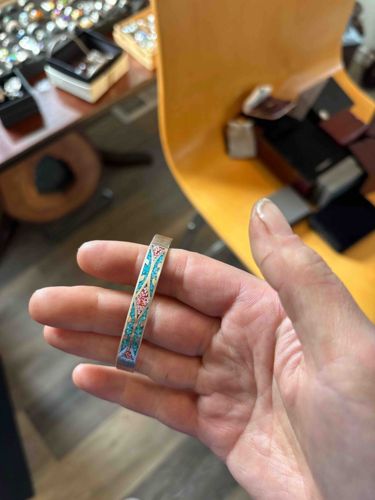
Submitted photo of Inlaid Cuff Bracelet
Photo submitted by the user — not generated by AI

User's notes

Identification number on the back

These notes were written by the person who submitted this item. Appraiser.AI has not verified them, and the AI's identification and estimate may rely on them.

AI Estimated Value

Not an official valuation

$300-450

AI estimate as of August 2, 2025 · verify with a professional before acting

AI-Generated · Verify before acting

Everything on this page is generated by AI for informational purposes only. AI can make mistakes — the AI may misidentify items or misattribute them (artist, maker, brand, designer, origin, era). This is not an official valuation and should not be used for insurance, sale, tax, estate, legal, or lending purposes — or any decision requiring a certified appraisal. It is not an authoritative claim about any person, brand, or rights holder — do not share or rely on it as a factual statement about a third party. Always consult qualified professionals before making financial decisions.

This analysis also relies on unverified notes provided by the user, which may be incomplete or inaccurate and could affect the result.

Read the full disclaimer

AI Item Analysis

The item is a rigid, open-ended cuff bracelet. Its design appears to be Native American inspired, likely Southwestern, featuring intricate inlay work. The base metal is silver-toned, possibly sterling silver, given its dull luster and the potential for patination. The bracelet features a central pattern of alternating geometric shapes, specifically triangles or rhombuses, inlaid with what appears to be turquoise and red coral or spiny oyster shell. The turquoise exhibits a vibrant robin's egg blue with some darker matrix visible, indicative of natural stone. The red inlay has a mottled appearance, suggesting a natural material rather than a synthetic one. The inlay work is flush with the metal surface, indicating good craftsmanship. The edges of the cuff are slightly rounded, contributing to wearability. The overall condition suggests some wear consistent with age and use, with slight tarnishing on the silver, which contributes to a desirable patina. There are no obvious signs of significant damage such as dents, cracks, or missing inlay pieces in the visible area. The width of the cuff appears to be narrow to medium. Without a view of the back, specific maker's marks or purity stamps cannot be identified, although the user context mentions an 'identification number on the back,' which could be a hallmark or inventory number. The style periods for such inlay work typically range from mid-20th century onwards. The quality of the inlay fitting and the selection of natural materials point to a well-crafted piece. The design has a timeless quality often associated with traditional Native American jewelry.
AI Appraisal Report

Upon examining the provided images, I have assessed this cuff bracelet, which presents a well-executed Southwestern Native American design. The craftsmanship is evident in the precise channel inlay work, featuring natural-appearing turquoise and red coral or spiny oyster shell set in what is likely sterling silver. The geometric pattern is traditional, and the materials appear authentic for this style. The overall condition is good, showing age-appropriate patina and minor surface wear, with no visible damage like missing stones or significant dents, which speaks to its durability and previous care. Without a maker's hallmark, attribution to a specific artist or tribe is not possible, which is a significant factor in determining value in the Native American jewelry market. The 'identification number' mentioned could be an inventory number rather than a hallmark. Currently, the market for vintage, well-made Southwestern jewelry is robust, with consistent demand from collectors. Comparable unsigned but high-quality inlay cuffs from the mid-to-late 20th century typically sell in the $250 to $500 range. This appraisal is limited by the inability to conduct a physical examination. To provide a definitive valuation and confirm authenticity, an in-person inspection is required. This would involve testing the metal for silver purity (e.g., acid test), examining the stones under magnification to confirm they are natural and not treated or synthetic, and thoroughly inspecting the back for any faint, unreadable hallmarks.

Keep exploring

More jewelry appraisals

Get your items appraised

Instant AI-powered appraisal estimates from a photo

Browse More Appraisals