Rough Chalcedony Nodule
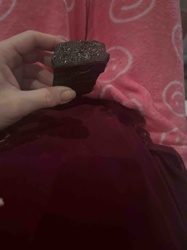
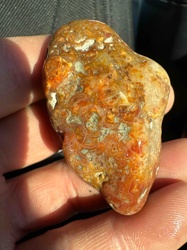
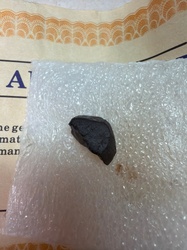
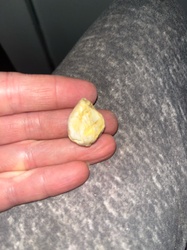
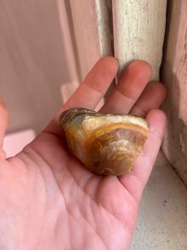
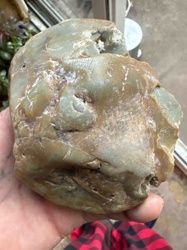
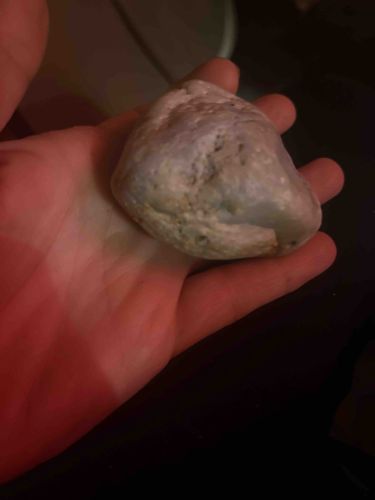
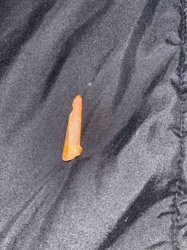
This specimen is a raw, unpolished mineral nodule, primarily composed of chalcedony, a microcrystalline variety of quartz. Physically, the item is approximately 2 to 3 inches in length, exhibiting a sub-conchoidal to irregular fracture pattern. The color palette is a muted blend of translucent pale lavender and cloudy white, with localized areas of tan or ochre-colored mineral staining and surface matrix. Its texture is largely matte and waxy, typical of silicate minerals found in alluvial or sedimentary environments. Notable features include subtle botryoidal-like budding on the surface and small cavities that may contain micro-crystalline quartz. The condition is raw and 'out of the ground,' showing natural surface abrasions, minor pitting, and some accumulation of earth in the crevices. There are no signs of human manipulation, lapidary work, or maker's marks, as it is a natural geological formation. The age of the mineral likely spans millions of years, though its extraction is contemporary. The specimen shows high silica content and a solid density, suggesting a high-quality material that would likely reveal vibrant translucency or banding if cut and polished into a cabochon.
AI-Generated Appraisal Disclaimer
Estimated Value
$15 - $35
Basic Information
Category
Rocks, Fossils & Minerals
Appraised On
April 4, 2026
Estimated Value
$15 - $35
Item Description
This specimen is a raw, unpolished mineral nodule, primarily composed of chalcedony, a microcrystalline variety of quartz. Physically, the item is approximately 2 to 3 inches in length, exhibiting a sub-conchoidal to irregular fracture pattern. The color palette is a muted blend of translucent pale lavender and cloudy white, with localized areas of tan or ochre-colored mineral staining and surface matrix. Its texture is largely matte and waxy, typical of silicate minerals found in alluvial or sedimentary environments. Notable features include subtle botryoidal-like budding on the surface and small cavities that may contain micro-crystalline quartz. The condition is raw and 'out of the ground,' showing natural surface abrasions, minor pitting, and some accumulation of earth in the crevices. There are no signs of human manipulation, lapidary work, or maker's marks, as it is a natural geological formation. The age of the mineral likely spans millions of years, though its extraction is contemporary. The specimen shows high silica content and a solid density, suggesting a high-quality material that would likely reveal vibrant translucency or banding if cut and polished into a cabochon.
Related Tags
Get Your Items Appraised
Instant estimates of your treasures with AI-powered instant appraisals