AI Appraisal Estimate

AI-generated estimates · not official valuations

From the user

What was submitted

Photo and notes provided by the user — not generated by AI

Submitted item photo
Submitted photo · June 2, 2026

User's notes

Likely purchased from South Asia in the 1960s

AI analysis below

AI appraisal

AI analysis & estimate

AI-Generated · Verify before acting

Everything below is generated by AI for informational purposes only. AI can make mistakes — the AI may misidentify items or misattribute them (artist, maker, brand, designer, origin, era). This is not an official valuation and should not be used for insurance, sale, tax, estate, legal, or lending purposes — or any decision requiring a certified appraisal. It is not an authoritative claim about any person, brand, or rights holder — do not share or rely on it as a factual statement about a third party. Always consult qualified professionals before making financial decisions.

Note

This analysis also relies on unverified notes provided by the user, which may be incomplete or inaccurate and could affect the result.

Read the full disclaimer

AI Identification

·Not independently authenticated·Verify before acting

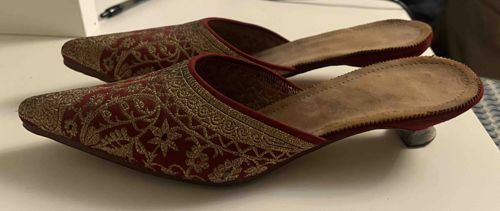
Embroidered Velvet Mules (South Asian Style)

Footwear

AI Estimated Value

·Not an official valuation·Verify before acting

$150-250

As of June 2, 2026

AI Item Analysis

·AI can make mistakes·Verify before acting
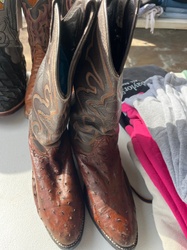
This pair of women's slip-on mules, likely originating from South Asia and dating to the 1960s, is crafted from a rich, deep red velvet or similar textile base. The pointed toe and vamp of each shoe are elaborately adorned with intricate gold-toned embroidery, forming a dense floral and scrolling vine pattern. The embroidery appears to be metallic threadwork, demonstrating fine craftsmanship with a notable shimmer that catches the light. A narrow border of the same gold-toned material, possibly cord or braid, outlines the opening of the shoe and the seam between the vamp and the sole. The interior of the shoes features a light brown, possibly leather or faux leather, insole that shows visible signs of wear and darkening from use, particularly in the heel and ball of the foot areas. The edges of the insoles are stitched, indicating a constructed rather than molded design. The small, blocky heel, also covered in the red textile, appears to be approximately 1 to 1.5 inches in height, though the exact material underneath is not visible. The bottom of the heel shows some scuffing and wear, revealing a lighter material underneath, possibly wood or stacked leather. The overall condition suggests moderate use, with the embroidery remaining largely intact and vibrant, but the insoles and heels showing the most significant wear. There are no discernible maker's marks or signatures visible in the provided images. The shoes exude an elegant, traditional South Asian aesthetic, consistent with footwear worn for special occasions.
AI Appraisal Report

·AI can make mistakes·Verify before acting
Upon examining the provided image and information for this pair of Embroidered Velvet Mules, likely from 1960s South Asia, I assess their condition as good, commensurate with moderate use. The vibrant gold-toned embroidery on the deep red velvet remains largely intact, a testament to the quality of the craftsmanship. The wear on the insoles and heels is consistent with age and use, but does not significantly detract from the aesthetic appeal. From a market perspective, there is a niche but consistent demand for vintage ethnic footwear, particularly pieces exhibiting fine hand-embroidery. Comparables would include other well-preserved vintage South Asian or Middle Eastern embroidered slippers or mules. While not exceptionally rare, pieces in good condition like this are becoming less common. The elegance and traditional aesthetic of these mules make them appealing to collectors of vintage fashion, textile art, and those interested in cultural artifacts. Limitations in authenticity verification are inherent when relying solely on images. While the style and reported origin align, physical examination would allow for definitive assessment of the embroidery's material composition (e.g., metallic thread vs. plastic), the exact textile type, and the construction techniques. Examination of the wear patterns and materials of the sole and heel would further confirm age. Ideally, provenance documentation, such as original sales receipts or family history of acquisition from South Asia in the 1960s, would significantly enhance authenticity and potentially impact value. Without such documentation or physical inspection, the 'likely' origin and age remain an assessment based on visual cues and owner's statements.

Get your items appraised

Instant estimates of your treasures with AI-powered appraisals

Browse More Appraisals