AI Appraisal Estimate

AI-generated estimates · not official valuations

From the user

What was submitted

Photo and notes provided by the user — not generated by AI

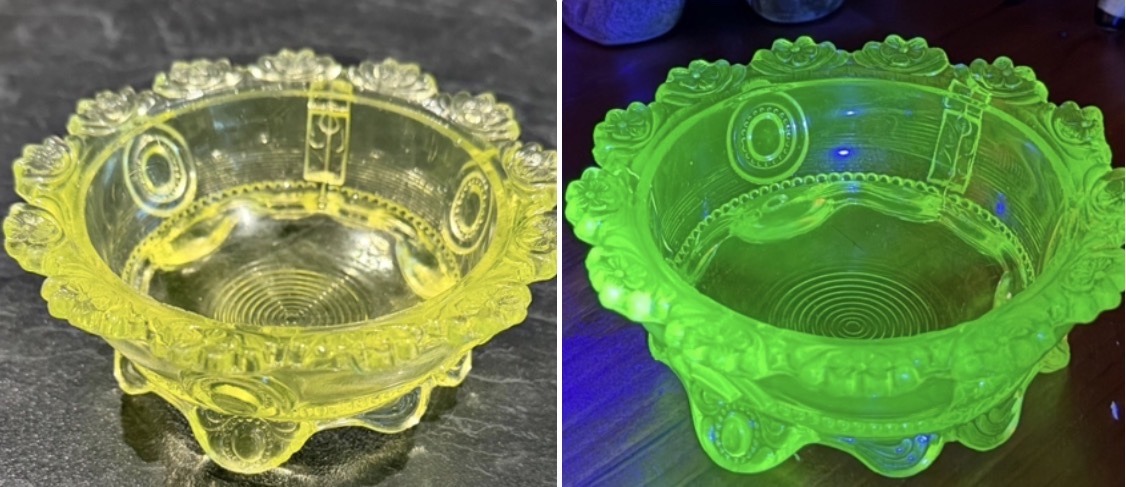
Submitted item photo
Submitted photo · June 6, 2026

User's notes

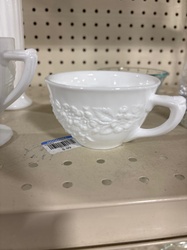
Vaseline Uranium glass small bowl

AI analysis below

AI appraisal

AI analysis & estimate

AI-Generated · Verify before acting

Everything below is generated by AI for informational purposes only. AI can make mistakes — the AI may misidentify items or misattribute them (artist, maker, brand, designer, origin, era). This is not an official valuation and should not be used for insurance, sale, tax, estate, legal, or lending purposes — or any decision requiring a certified appraisal. It is not an authoritative claim about any person, brand, or rights holder — do not share or rely on it as a factual statement about a third party. Always consult qualified professionals before making financial decisions.

Note

This analysis also relies on unverified notes provided by the user, which may be incomplete or inaccurate and could affect the result.

Read the full disclaimer

AI Identification

·Not independently authenticated·Verify before acting

Pressed glass bowl in the style of Early American Pattern Glass

Collectible Glassware

AI Estimated Value

·Not an official valuation·Verify before acting

$35.00 - $65.00

As of June 6, 2026

AI Item Analysis

·AI can make mistakes·Verify before acting
A small, circular decorative pressed glass bowl featuring a pale yellow or citrine hue under natural light. The piece exhibits a vibrant neon-green fluorescence when subjected to ultraviolet light, which is consistent with glass containing uranium oxides. This bowl is stylistically consistent with the 'Eye and Sand' pattern or similar Early American Pattern Glass (EAPG) motifs from the late 19th or early 20th century. The vessel features a scalloped rim adorned with floral or sunburst-style cartouches. The exterior walls are decorated with alternating oval medallions and vertical rectangles containing geometric details, set against a background of textured, horizontal stippling. The interior base shows a concentric ring pattern. The bowl is supported by small, shaped feet that integrate into the lower molding. While the owner identifies this as 'Vaseline Uranium glass,' this attribution is based on the visual fluorescent reaction and remains unverified without professional chemical testing. No maker's marks or signatures are visible, suggesting the piece is attributed to a general manufacturer of the era based on design and material properties. The condition appears fair to good with no large cracks visible, though minor edge roughness or surface scratches would be consistent with age and typical of utilitarian pressed glass from this period.
AI Appraisal Report

·AI can make mistakes·Verify before acting
I have examined the provided description and image of the pressed glass bowl. Based on what I can see, the piece exhibits the characteristic yellow-green hue and UV fluorescence associated with uranium glass, though I cannot verify the exact chemical composition from a photo alone. The design features a scalloped rim and geometric medallions consistent with the 'Eye and Sand' pattern, which is typical of Early American Pattern Glass (EAPG) from the late 19th century. The owner identifies this as 'Vaseline Uranium glass,' and while the visual evidence supports this hypothesis, a physical inspection would be required to rule out modern reproductions or variance in glass quality. This estimate assumes the piece is an authentic EAPG era item in fair to good condition. Given the reported age and typical utilitarian use, any surface scratches or edge roughness noted would be expected. The market for EAPG and uranium glass remains stable among niche collectors who value the 'glow-factor.' If the piece is found to be a modern reproduction or if the fluorescence is caused by a coating rather than oxides within the melt, the value would likely drop below $20.00. To confirm the identity and age, I recommend an in-person examination by a specialist in American glass to check for specific mold markers, wear patterns on the feet, and to conduct a tactile assessment of the glass weight and texture. Without provenance or a maker's mark, the attribution remains a working hypothesis based on stylistic comparison.

Get your items appraised

Instant estimates of your treasures with AI-powered appraisals

Browse More Appraisals