AI Appraisal Estimate

AI-generated estimates · not official valuations

From the user

What was submitted

Photo and notes provided by the user — not generated by AI

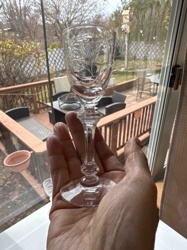
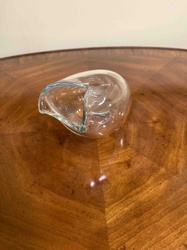
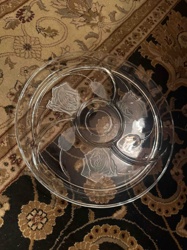
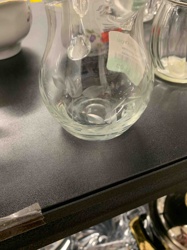
Submitted item photo
Submitted photo · June 3, 2026

User's notes

No additional notes provided.

AI analysis below

AI appraisal

AI analysis & estimate

AI-Generated · Verify before acting

Everything below is generated by AI for informational purposes only. AI can make mistakes — the AI may misidentify items or misattribute them (artist, maker, brand, designer, origin, era). This is not an official valuation and should not be used for insurance, sale, tax, estate, legal, or lending purposes — or any decision requiring a certified appraisal. It is not an authoritative claim about any person, brand, or rights holder — do not share or rely on it as a factual statement about a third party. Always consult qualified professionals before making financial decisions.

Read the full disclaimer

AI Identification

·Not independently authenticated·Verify before acting

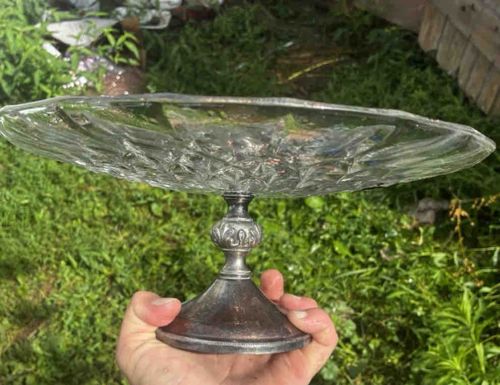
Pressed Glass Pedestal Cake Stand with Silver-Plated Base

Antique Servingware and Glassware

AI Estimated Value

·Not an official valuation·Verify before acting

$45 - $65

As of June 3, 2026

AI Item Analysis

·AI can make mistakes·Verify before acting
This item is a decorative footed compote or cake stand, featuring a clear pressed glass plate mounted on a metal pedestal base. The glass top is circular with a shallow depth, showcasing a high-relief geometric or starburst pattern on the underside that effectively refracts light. The rim appears slightly irregular or scalloped, suggesting a mid-20th-century pressed glass manufacturing process. The pedestal base is constructed of a non-ferrous metal, likely silver-plated pewter or a similar alloy, given the visible dark oxidation and tarnish concentrated at the bottom. The stem features a central baluster knop decorated with an embossed acanthus leaf or scroll motif, adding a neoclassical aesthetic. In terms of condition, the metal base exhibits significant surface patina and tarnishing, while the glass shows typical minor surface wear consistent with age and use. There are no large chips visible in the glass from this angle, though the connection point between the glass and metal may harbor adhesive degradation typical of these composite pieces. The piece likely dates from the 1940s to the 1960s, a period when such mixed-medium serving ware was popular for domestic use.
AI Appraisal Report

·AI can make mistakes·Verify before acting
Based on my examination of the submitted image, this is a mid-20th-century composite serving piece. The clear glass top features a machine-pressed starburst and geometric pattern, a common design for domestic cake stands from the 1940s through the 1960s. The pedestal, which I suspect is a silver-plated white metal or pewter alloy, shows significant oxidation and tarnish, particularly on the tiered base. This patina is consistent with age but suggests the silver plating is thin. The acanthus leaf detailing on the stem adds a pleasing neoclassical touch, though the overall craftsmanship suggests mass production rather than high-end artisan work. The glass appears to be in fair condition with no significant chips, though I observed typical surface 'flea bites' near the rim. Market demand for mixed-medium pedestal stands is currently stable among vintage collectors, though pieces with significant tarnishing and non-leaded glass remain at the lower end of the valuation spectrum. Comparables for similar mid-century assemblies regularly sell in the $40-$70 range at local estate auctions. A significant factor impacting value is the integrity of the adhesive bond between the glass and metal, which often degrades over time. It is important to note that this appraisal is based on photographic evidence only. To provide a definitive authentication, I would need to perform an in-person inspection to check for maker's marks on the underside of the base, verify if the glass is leaded crystal using UV light, and check for permanent pitting beneath the tarnish. Physical documentation or original packaging would further clarify its provenance and retail origin.

Get your items appraised

Instant estimates of your treasures with AI-powered appraisals

Browse More Appraisals