AI identification & appraisal estimate

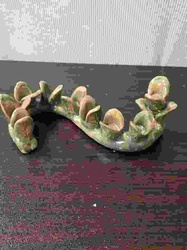
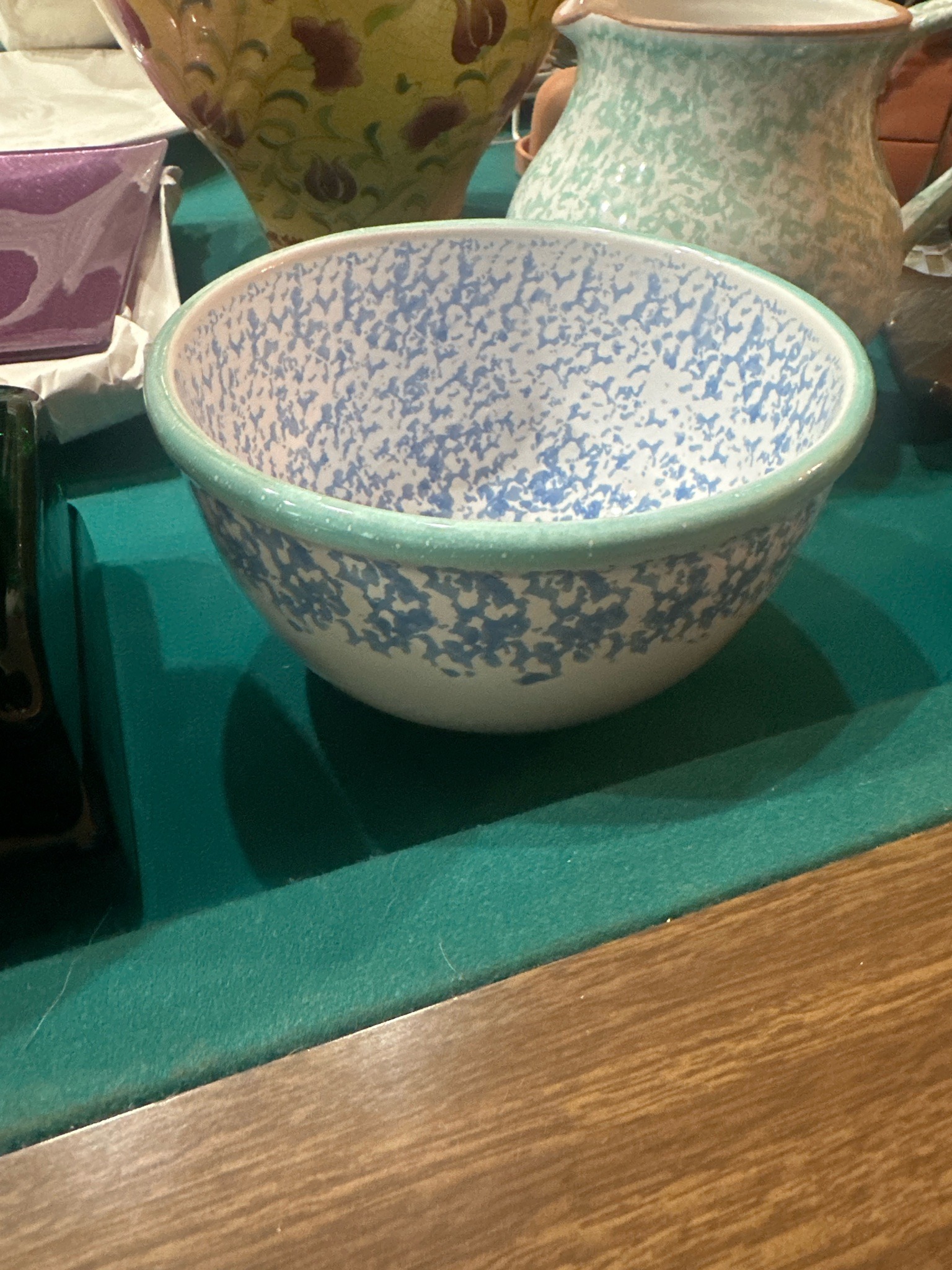
Majolica ceramic bowl

Submitted photo of Majolica ceramic bowl
Photo submitted by the user — not generated by AI

User's notes

Italian bowl

These notes were written by the person who submitted this item. Appraiser.AI has not verified them, and the AI's identification and estimate may rely on them.

AI Estimated Value

Not an official valuation

$40 - $75

AI estimate as of October 10, 2026 · verify with a professional before acting

AI-Generated · Verify before acting

Everything on this page is generated by AI for informational purposes only. AI can make mistakes — the AI may misidentify items or misattribute them (artist, maker, brand, designer, origin, era). This is not an official valuation and should not be used for insurance, sale, tax, estate, legal, or lending purposes — or any decision requiring a certified appraisal. It is not an authoritative claim about any person, brand, or rights holder — do not share or rely on it as a factual statement about a third party. Always consult qualified professionals before making financial decisions.

This analysis also relies on unverified notes provided by the user, which may be incomplete or inaccurate and could affect the result.

Read the full disclaimer

AI Item Analysis

This ceramic bowl features a rounded, flared profile with a distinct rolled rim, presented in a glazed finish. The interior and exterior surfaces display a white base decorated with an all-over blue sponged or splatter-pattern design, creating a speckled appearance. The thick rim is painted in a contrasting solid light-blue or turquoise tone, which frames the patterned body. The bowl appears to be constructed of earthenware ceramic with a glossy protective glaze. Regarding visible condition, the surface appears largely intact with standard gloss retention and no immediately obvious structural cracks or major chips visible from this angle, though minor glaze imperfections or micro-crazing typical of pottery cannot be ruled out without physical inspection. There are no clearly visible maker's marks, stamps, or signatures on the visible portions of the item; therefore, the identification relies strictly on stylistic observation of shape, glaze type, and decorative technique. The aesthetic is consistent with traditional European majolica or earthenware kitchen pottery. The owner provides the additional unverified context that this is an Italian bowl, though this geographical and cultural attribution remains unverified by physical inspection or maker documentation in the image. Quality indicators include a uniform glaze coat and a neatly executed decorative pattern, suggesting careful production, though the piece should be categorized as unauthenticated decorative pottery.
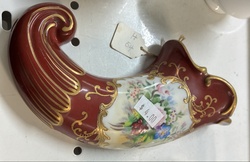
AI Appraisal Report

Based on what I can see in the photograph, this item is a glazed earthenware or majolica-style bowl featuring a blue sponged or splatter-pattern body complemented by a solid light-blue rolled rim. Per user submission, the owner identifies this as an Italian bowl. Working under the hypothesis that this attribution to Italian regional pottery is correct, I have estimated its value accordingly. However, I cannot determine the exact regional origin, workshop, or age from a photo alone, as no maker's stamps or signatures are visible. The glazed surface appears in good decorative condition, though I would need a physical inspection to check for rim micro-chips, hairline cracks, or base wear. In general market conditions, decorative Italian splatterware (such as Pugliese or Faenza ceramics) and similar European folk pottery remain popular for rustic home decor and utilitarian display, typically commanding modest secondary market prices. If the Italian attribution holds and the piece is an artisan-crafted regional example, typical market value falls in the $40 to $75 range. If physical inspection or provenance documentation reveals it to be a mass-market contemporary reproduction or unattributed decorative ceramic, the value would likely drop to approximately $15 to $30. Formal in-person examination by a ceramics specialist, along with inspecting the underside for potential unglazed stamps or incised marks, would be necessary to substantiate origin and production context.

Keep exploring

More ceramics appraisals

Get your items appraised

Instant AI-powered appraisal estimates from a photo

Browse More Appraisals