AI Appraisal Estimate

AI-generated estimates · not official valuations

From the user

What was submitted

Photo and notes provided by the user — not generated by AI

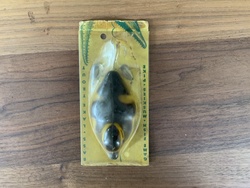
Submitted item photo
Submitted photo · June 30, 2026

User's notes

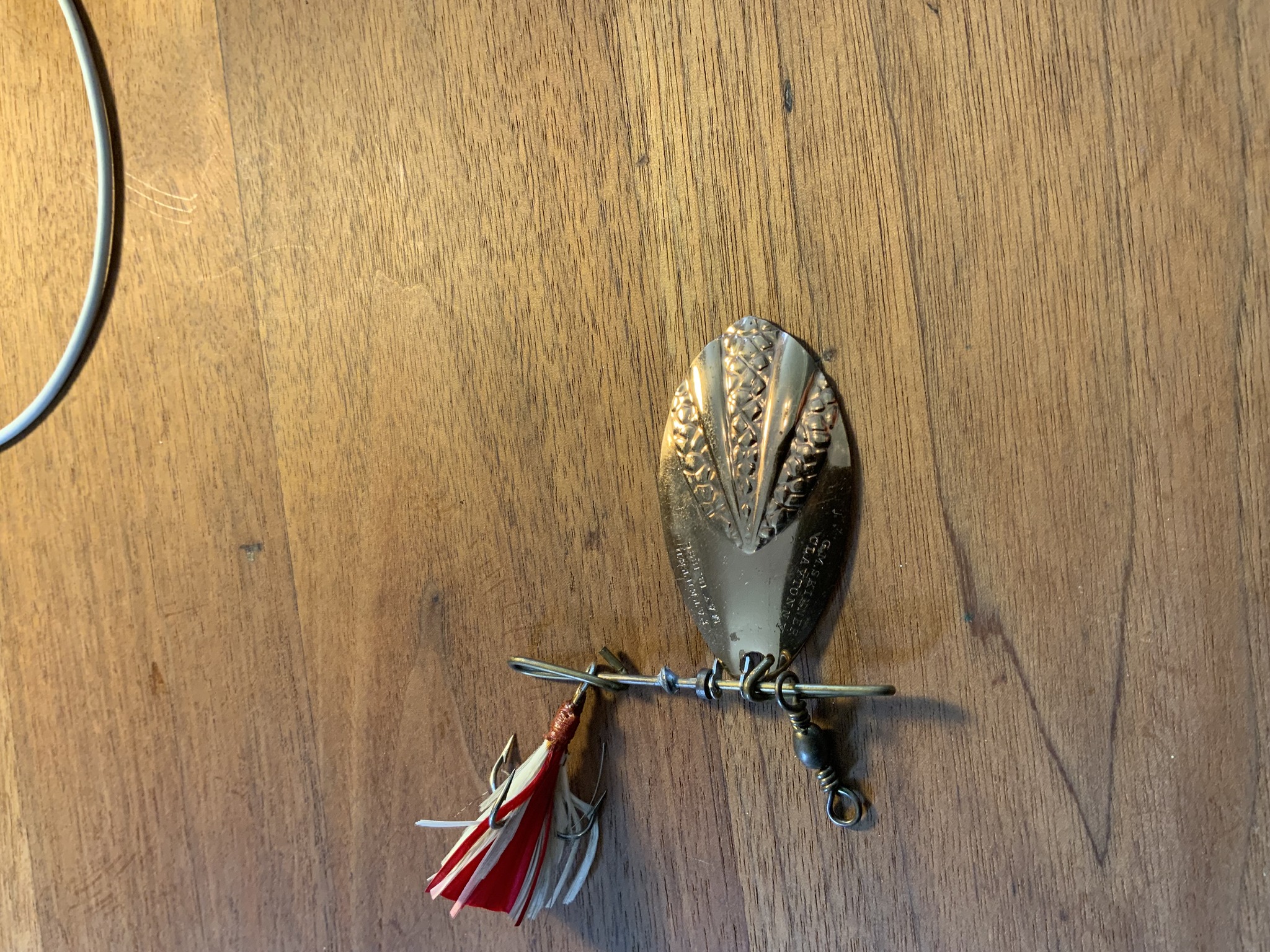
SPOON IS MARKED GM Skinner Clayton ny paten May18 1886 this spoon looks never used the rig is not original to this lure spoon I’ve been told?

AI analysis below

AI appraisal

AI analysis & estimate

AI-Generated · Verify before acting

Everything below is generated by AI for informational purposes only. AI can make mistakes — the AI may misidentify items or misattribute them (artist, maker, brand, designer, origin, era). This is not an official valuation and should not be used for insurance, sale, tax, estate, legal, or lending purposes — or any decision requiring a certified appraisal. It is not an authoritative claim about any person, brand, or rights holder — do not share or rely on it as a factual statement about a third party. Always consult qualified professionals before making financial decisions.

Note

This analysis also relies on unverified notes provided by the user, which may be incomplete or inaccurate and could affect the result.

Read the full disclaimer

AI Identification

·Not independently authenticated·Verify before acting

G.M. Skinner Fluted Trolling Spoon with Feathered Rig

Antique Fishing Lures and Tackle

AI Estimated Value

·Not an official valuation·Verify before acting

$45.00 - $75.00

As of June 30, 2026

AI Item Analysis

·AI can make mistakes·Verify before acting
This is a classic G.M. Skinner fluted trolling spoon, a foundational piece in American fishing history. The spoon blade features a distinctive elongated oval shape with a hammered or fluted texture on the upper half to maximize light reflection underwater. It is crafted from a reflective metal, likely nickel-plated brass, which retains a high luster. The blade is clearly stamped with 'G.M. SKINNER CLAYTON N.Y. PAT. MAY 18. 1874 & MAY 18. 1886', indicating it was produced under the famous patents held by Gardiner M. Skinner in Clayton, New York. The item is in exceptional condition, appearing nearly unused with minimal pitting or oxidation on the spoon. The accompanying rig consists of a wire shaft, a barrel swivel, and a treble hook dressed with red and white feathers bound with wire. As noted by the owner, this specific rig assembly (the wire shaft and feathered hook) appears to be a later addition or a non-original replacement, as authentic 19th-century Skinner lures typically utilized different hook attachment systems. Despite the rig variation, the spoon itself is an authentic piece of late 19th to early 20th-century craftsmanship known for its reliability among anglers of the St. Lawrence River region.
AI Appraisal Report

·AI can make mistakes·Verify before acting
I have examined the images of the G.M. Skinner Fluted Trolling Spoon. The spoon blade is an authentic example of the iconic Clayton, New York, manufacture, clearly bearing the May 18, 1886, patent date. The condition of the nickel plating is exceptional, showing a high luster with virtually no loss or significant 'pitting' common to 19th-century tackle. This indicates either a very well-preserved early piece or a later production run from the early 20th century. The primary factor impacting value is the rig. As I observed, and the owner correctly noted, the wire shaft and feathered treble hook are not original to the 1886 patent era. Original Skinner lures of this period typically featured a direct hook attachment or a specific 'safety' pin style connector; the current hardware appears to be a mid-20th-century modification or a later replacement intended for display. While the spoon itself is in 'Near Mint' condition, the lack of original hardware and lack of original box prevents it from reaching the premium $150+ tier seen by collectors. The market for Skinner lures remains stable due to their historical significance as the progenitor of the spinner-style lure, but supply for loose, rigged spoons is high. This appraisal is based on visual examination of the metal's surface and stamping clarity. To fully certify this as a late 19th-century versus an early 20th-century production, an in-person analysis of the metal gauge and a microscopic check of the stamp edges would be required to verify the die wear. No scientific testing is recommended given the item's market value.

Get your items appraised

Instant estimates of your treasures with AI-powered appraisals

Browse More Appraisals