AI Appraisal Estimate

AI-generated estimates · not official valuations

From the user

What was submitted

Photo and notes provided by the user — not generated by AI

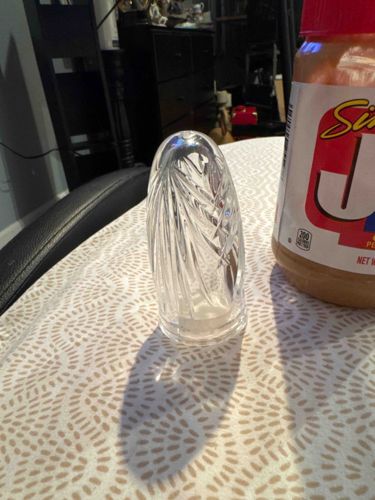
Submitted item photo
Submitted photo · May 30, 2026

User's notes

No additional notes provided.

AI analysis below

AI appraisal

AI analysis & estimate

AI-Generated · Verify before acting

Everything below is generated by AI for informational purposes only. AI can make mistakes — the AI may misidentify items or misattribute them (artist, maker, brand, designer, origin, era). This is not an official valuation and should not be used for insurance, sale, tax, estate, legal, or lending purposes — or any decision requiring a certified appraisal. It is not an authoritative claim about any person, brand, or rights holder — do not share or rely on it as a factual statement about a third party. Always consult qualified professionals before making financial decisions.

Read the full disclaimer

AI Identification

·Not independently authenticated·Verify before acting

Pressed Glass Bullet-Shaped Condiment Shaker

Vintage Tableware and Glassware

AI Estimated Value

·Not an official valuation·Verify before acting

$15.00 - $25.00

As of May 30, 2026

AI Item Analysis

·AI can make mistakes·Verify before acting
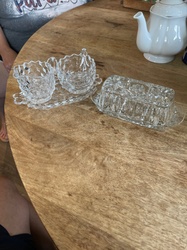
This item is a crystalline glass shaker, standing approximately 4 to 5 inches tall, featuring a distinct bullet or dome-shaped silhouette. It is constructed from a heavy transparent glass, likely soda-lime or lead-free crystal, featuring a common early-to-mid 20th-century pressed glass pattern. The design consists of vertical fluting around the base transitioning into a stylized fan or feather-like geometric motif that decorates the rounded crown. The top of the dome features a singular or small cluster of perforated holes for dispensing contents such as salt, pepper, or powdered sugar. The base appears to be a separate threaded or friction-fit component, though the bottom plate is not fully visible, suggesting it may have a plastic or metal stopper. The glass shows good clarity with no immediate evidence of 'sick' or cloudy glass, but there are visible minor surface scratches and potential flea-bite chips along the sharp edges of the pressed pattern, consistent with household use. The craftsmanship reflects mass-produced American Brilliant Style era (ABP) reproductions often found in the 1940s-1960s. There are no clearly visible maker's marks or signatures from this angle, which is typical for utility tableware of this period.
AI Appraisal Report

·AI can make mistakes·Verify before acting
Based on my visual examination of this pressed glass condiment shaker, I have identified it as a mid-20th-century utility piece, likely produced between 1940 and 1960. While it mimics the geometric complexity of the American Brilliant Period (ABP), the visible mold lines and the lack of high-lead content refraction suggest this is a mass-produced soda-lime glass item rather than hand-cut crystal. The condition appears fair to good; the glass maintains its clarity, though the noted minor surface scratching and 'flea-bite' chips on the facets are typical for household items of this age and slightly diminish the value. The market for mid-century pressed glass remains saturated. Similar utilitarian shakers from manufacturers like Anchor Hocking, Federal Glass, or Hazel-Atlas frequently appear at estate sales and online auctions. These items are generally valued for their decorative 'shabby chic' appeal rather than rarity. Because this piece lacks a visible maker's mark or original silver-plated base, it is categorized as 'anonymous' tableware, which limits its appeal to specialized collectors. Limitations: My assessment is based solely on digital imagery. To provide a definitive authentication, I would need to perform a physical inspection to check for weight (indicating lead content), UV light reaction (to identify vintage manganese or uranium signatures), and a tactile examination of the base to determine if the threads are ground or molded. Provenance or an original box would also influence the final valuation. For insurance purposes, a physical examination of the edges is necessary to ensure the chips do not compromise structural integrity.

Get your items appraised

Instant estimates of your treasures with AI-powered appraisals

Browse More Appraisals