AI identification & appraisal estimate

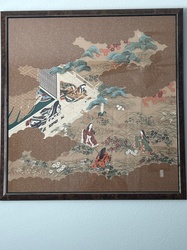
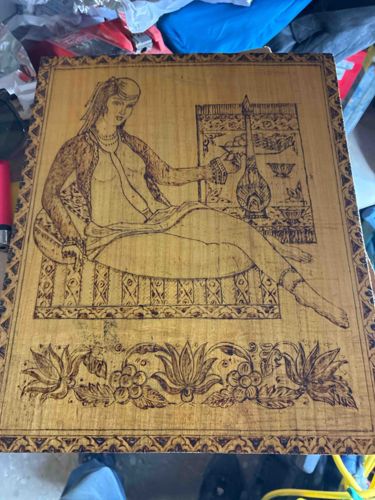
Wood Pyrography Panel featuring Seated Female Figure and Musical Instrument

Submitted photo of Wood Pyrography Panel featuring Seated Female Figure and Musical Instrument
Photo submitted by the user — not generated by AI

AI Estimated Value

Not an official valuation

$250-450

AI estimate as of July 19, 2025 · verify with a professional before acting

AI-Generated · Verify before acting

Everything on this page is generated by AI for informational purposes only. AI can make mistakes — the AI may misidentify items or misattribute them (artist, maker, brand, designer, origin, era). This is not an official valuation and should not be used for insurance, sale, tax, estate, legal, or lending purposes — or any decision requiring a certified appraisal. It is not an authoritative claim about any person, brand, or rights holder — do not share or rely on it as a factual statement about a third party. Always consult qualified professionals before making financial decisions.

Read the full disclaimer

AI Item Analysis

This appears to be a pyrography (wood-burning) artwork, likely on a single piece or panel of light-colored wood. The overall dimensions are not provided, but it has a rectangular shape with a border. The dominant colors are the natural light brown/tan of the wood and the darker burnt tones from the pyrography technique, ranging from medium brown to near black for outlines and shading. The central image depicts a seated female figure, possibly a woman of leisure or royalty, in a classical or historical pose and attire. She is adorned with a necklace and a patterned robe or shawl. Her hair is styled in an elaborate manner, and she is holding an object, possibly a small vessel or intricate tool, in her extended right hand. To her right, there is a depiction of what looks like an Eastern musical instrument, resembling a sitar or similar stringed instrument, placed on a patterned rug or tapestry. Below the main figural scene, there's an elaborate floral and fruit motif (possibly pomegranates or grapes with foliage), executed with detailed burning. The outer edges of the panel feature a continuous geometric border, possibly a zig-zag or serrated pattern. The craftsmanship demonstrates a skilled hand in pyrography, with varying degrees of burn intensity used to create depth and texture, indicating a quality piece within its medium. There are no obvious signs of significant damage like cracks or chips visible from the image; however, there appears to be some general surface wear, possibly light scratches or smudges consistent with age and handling. The overall condition suggests a well-preserved piece, with a consistent patina. Without maker's marks or signatures, the exact origin and age are speculative, but the style of the figure and motifs suggest it could be from the early to mid-20th century, possibly inspired by orientalist or classical themes.
AI Appraisal Report

Upon visual examination of this wood pyrography panel, I assess its condition to be good, with consistent surface wear typical of its age and handling. There are no overt signs of significant damage like cracks or chips, which speaks to its preservation. Authenticity, based solely on the image, appears to be an original pyrography artwork, not a reproduction. The skill demonstrated in varied burn intensity and detail suggests a trained hand. Market conditions for pyrography, while not as robust as traditional fine arts, show a steady niche demand for well-executed pieces, particularly those with compelling subject matter. Comparables in online art markets and auction results for decorative pyrography panels of this size and detail tend to range from the low hundreds to mid-hundreds of dollars. The classical or orientalist theme and the depiction of a musical instrument add to its decorative appeal, potentially expanding its market. It isn't overtly rare, but unique, high-quality examples like this are less common. Factors significantly impacting value include the artistic merit and decorative appeal of the piece. The lack of a visible signature or maker's mark limits the potential for higher valuation typically associated with known artists. Without provenance documentation, attributing it to a specific artist or period beyond 'early to mid-20th century' is challenging. Limitations in authenticity verification from images alone are considerable. Full authentication would ideally require an in-person examination to assess the wood type, grain, and the true depth and texture of the burning. Microscopic analysis could confirm the pyrographic technique and rule out modern printing methods. Furthermore, provenance documentation linking the piece to previous owners or exhibitions would significantly enhance its value and confirm its history.

Keep exploring

More decorative arts appraisals

Get your items appraised

Instant AI-powered appraisal estimates from a photo

Browse More Appraisals