AI estimate as of August 8, 2025 · verify with a professional before acting
AI-Generated · Verify before acting
Everything on this page is generated by AI for informational purposes only. AI can make mistakes — the AI may misidentify items or misattribute them (artist, maker, brand, designer, origin, era). This is not an official valuation and should not be used for insurance, sale, tax, estate, legal, or lending purposes — or any decision requiring a certified appraisal. It is not an authoritative claim about any person, brand, or rights holder — do not share or rely on it as a factual statement about a third party. Always consult qualified professionals before making financial decisions.
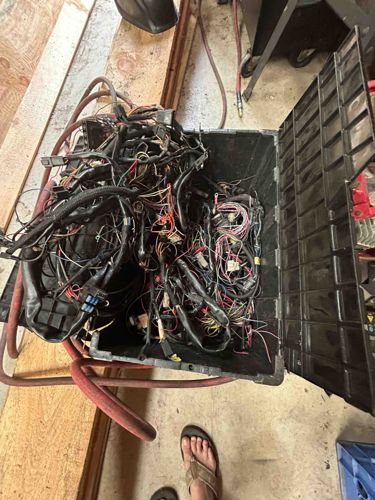
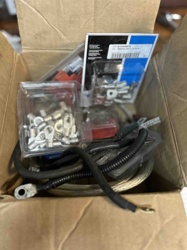
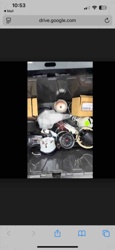
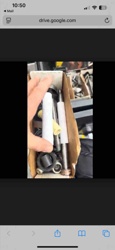
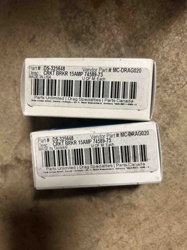
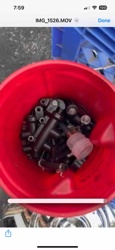
The item is a large, unsorted collection of automotive wire harnesses and electrical components, contained within what appears to be a black, plastic storage crate or bin. The collection consists of numerous intertwined wires of varying gauges and colors, including black, red, pink, white, blue, and yellow, indicating a diverse array of circuits and functions. Many wires are bundled together with black electrical tape or plastic conduit, forming typical harness configurations, though these bundles appear to be disconnected and jumbled. Visible features include various types of electrical connectors, some multi-pin plastic connectors (blue and black are discernible), bare wire ends, and potentially some relays or fuse holders integrated into the harnesses. The overall condition suggests that these are used, salvaged, or dismantled parts, exhibiting signs of wear consistent with removal from a vehicle. Patina or discoloration is evident on some wire sheathing. No specific manufacturer's marks, part numbers, or dates are clearly visible due to the tangled nature of the pile and focus of the image. Given the complexity and volume, this collection likely originates from one or more vehicles, possibly for parts, salvage, or custom wiring projects. The craftsmanship, while not fully observable in its original assembled state, would typically involve factory standards if these are OEM harnesses; however, their current state is disarrayed components. There are no obvious signs of significant damage like burns or severe cuts, but the general state of disorganization suggests they are not in 'new' or 'ready-to-install' condition.
AI Appraisal Report
Upon visual examination of the provided image, I assess this collection of assorted automotive wire harnesses and electrical components. The condition is clearly used and dismantled, with numerous wires of varying gauges and colors tangled within a storage bin. The presence of bundled wires with electrical tape and conduit, along with various multi-pin connectors, suggests these are salvaged or disconnected OEM components. Patina and discoloration on wire sheathing further confirm their used state. Authenticity as genuine automotive components is likely, given the typical appearance of such harnesses; however, determining their original vehicle application or specific OEM status is impossible without clear part numbers, which are obscured by the disarray.
From a market perspective, this collection holds value primarily for parts, custom wiring projects, or as raw material for automotive electricians. The fact that they are unsorted and disconnected significantly reduces their 'plug-and-play' value. Comparables would be bulk lots of used electrical components or salvage yard finds, typically sold by weight or as untested assortments. Demand for such unsorted lots is niche, appealing mainly to hobbyists, custom builders, or repair shops looking for specific connectors or wire lengths.
Factors significantly impacting value include the lack of identifiable vehicle application, the unknown functionality of individual components (e.g., relays, connectors), and the labor required to sort and test the components. Without knowing what vehicles these parts originate from, their specific utility is severely limited. Rarity is not a factor here; bulk automotive electrical components are common.
Limitations in authenticity verification are significant. From images alone, I cannot verify the functionality of any component, confirm specific OEM provenance, or rule out hidden damage (e.g., internal wire breaks, corroded terminals). For full authentication and accurate valuation, an in-person examination would be critical to test continuity, identify specific part numbers, assess the integrity of all connectors, and determine the original vehicle applications. Without this, the appraisal remains speculative based on general market conditions for used, untested automotive electrical scrap.