AI Appraisal Estimate

AI-generated estimates · not official valuations

From the user

What was submitted

Photo and notes provided by the user — not generated by AI

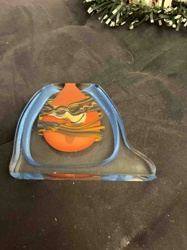
Submitted item photo
Submitted photo · June 4, 2026

User's notes

No additional notes provided.

AI analysis below

AI appraisal

AI analysis & estimate

AI-Generated · Verify before acting

Everything below is generated by AI for informational purposes only. AI can make mistakes — the AI may misidentify items or misattribute them (artist, maker, brand, designer, origin, era). This is not an official valuation and should not be used for insurance, sale, tax, estate, legal, or lending purposes — or any decision requiring a certified appraisal. It is not an authoritative claim about any person, brand, or rights holder — do not share or rely on it as a factual statement about a third party. Always consult qualified professionals before making financial decisions.

Read the full disclaimer

AI Identification

·Not independently authenticated·Verify before acting

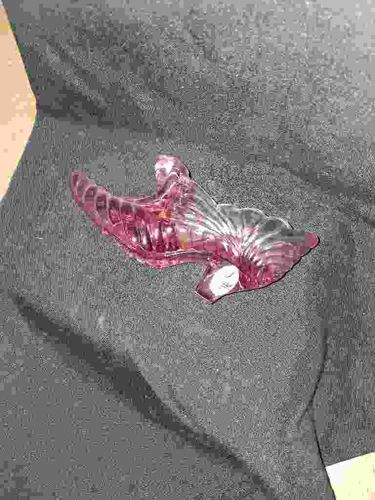
Pressed Glass Cornucopia Vase in Rosalin Pink

Art Glass / Collectible Glassware

AI Estimated Value

·Not an official valuation·Verify before acting

$45 - $65

As of June 4, 2026

AI Item Analysis

·AI can make mistakes·Verify before acting
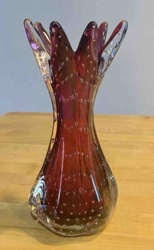
This item is a decorative cornucopia-style vase crafted from pressed glass, exhibiting a vibrant 'Rosalin' or cranberry pink hue. The piece features a distinct horn-of-plenty shape with a fluted, scalloped rim that flares outward, transitioning into a curved, ribbed body that tapers toward a pointed tail. It is supported by a solid, molded rectangular base that provides stability for the weighted glass. The construction shows characteristic mold lines typical of mid-20th-century pressed glass manufacturing, likely by a notable American company such as Fenton or Viking. The scalloped edges and ribbed texture create a dynamic interplay with light, enhancing the translucency of the pink glass. This specific style was particularly popular during the Art Deco and Mid-Century Modern eras, approximately between the 1930s and 1950s. The condition appears to be good with a consistent color throughout; however, a circular white sticker or remnant is visible on the base, which may obscure a maker's mark or simply indicate a previous retail tag. No immediate cracks or significant chips are visible from this angle, though fine shelf wear on the bottom of the base is common for items of this vintage. The craftsmanship reflects standard commercial glass production of its era, intended as a center-piece for floral arrangements or as a standalone decorative mantel piece.
AI Appraisal Report

·AI can make mistakes·Verify before acting
Based on my visual examination of this Rosalin pink pressed glass cornucopia vase, I have assessed it as a quintessential example of mid-20th-century American decorative glassware. The piece exhibits the standard characteristics of the 'Horn of Plenty' motifs popular between 1930 and 1950, likely produced by the Viking Glass Company or similar contemporaries. The color is consistent and well-saturated, typical of the Rosalin palette which remains popular among vintage enthusiasts. The mold lines are crisp, though they confirm this as a mass-produced commercial item rather than hand-blown art glass. Condition appears stable with no major structural failures visible. Specifically, the scalloped rim—a high-risk area for chips—appears intact. The residue on the base is likely a remnant of a former price tag, though it could potentially obscure a sand-blasted maker's mark. Market demand for this specific form is steady but modest, as these were produced in high volume. Similar pieces by Viking or Fenton currently realize between $40 and $70 in the secondary market, with value peaking for collectors of specific pink Depression-era or Mid-Century decor. Limitations: This appraisal is based solely on digital imagery. A physical inspection is required to verify the absence of 'flea bites' (micro-chips) and to confirm if the residue on the base hides heat-stamped or etched identification. Furthermore, an in-person UV light test would be necessary to determine if the glass contains certain additives (like selenium) which can affect its collectibility. Final authentication and valuation are contingent upon a hands-on tactile review and confirmation of provenance.

Get your items appraised

Instant estimates of your treasures with AI-powered appraisals

Browse More Appraisals