AI identification & appraisal estimate

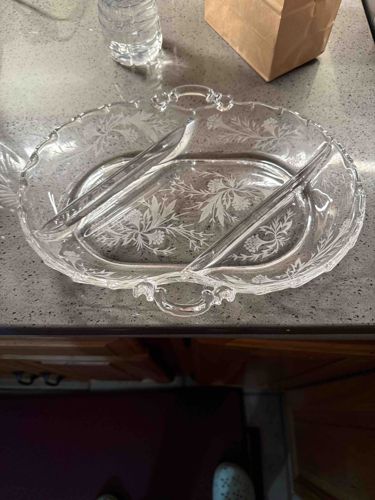
Fostoria Etched Glass Divided Relish Dish with Handles

Submitted photo of Fostoria Etched Glass Divided Relish Dish with Handles
Photo submitted by the user — not generated by AI

User's notes

Fostoria

These notes were written by the person who submitted this item. Appraiser.AI has not verified them, and the AI's identification and estimate may rely on them.

AI Estimated Value

Not an official valuation

$30 - $50

AI estimate as of November 9, 2025 · verify with a professional before acting

AI-Generated · Verify before acting

Everything on this page is generated by AI for informational purposes only. AI can make mistakes — the AI may misidentify items or misattribute them (artist, maker, brand, designer, origin, era). This is not an official valuation and should not be used for insurance, sale, tax, estate, legal, or lending purposes — or any decision requiring a certified appraisal. It is not an authoritative claim about any person, brand, or rights holder — do not share or rely on it as a factual statement about a third party. Always consult qualified professionals before making financial decisions.

This analysis also relies on unverified notes provided by the user, which may be incomplete or inaccurate and could affect the result.

Read the full disclaimer

AI Item Analysis

This is a clear, etched glass divided relish dish, likely manufactured by Fostoria, dating probably from the mid-20th century, given the typical patterns and styles associated with the brand during that era. The dish is oval in shape with two distinct sections, separated by an integral glass divider. It features two small, integrated handle tabs on each side of the wider ends, allowing for easy handling. The entire surface, especially the bottom and interior walls, is adorned with an intricate etched pattern of foliage, possibly depicting berries, leaves, and thorny vines, giving it a delicate and classical appearance. The edges of the dish have a gently scalloped or undulating design, adding to its decorative appeal. The glass appears to be in good condition with no immediately visible chips, cracks, or significant wear. The clarity of the glass is excellent, suggesting it has been well-maintained. The etches are precise and consistent, indicating quality craftsmanship typical of Fostoria glassware. The piece would have been used for serving condiments, appetizers, or small candies, reflecting the entertaining styles of the period. Its design is both functional and aesthetically pleasing, showcasing the skilled artistry of American glassware from its time.

AI Appraisal Report

Based on my visual examination of the Fostoria Etched Glass Divided Relish Dish with Handles, I assess its condition to be excellent. The glass exhibits remarkable clarity, and I detect no visible chips, cracks, or significant wear, which is crucial for glassware of this age. The etching appears crisp and consistent, indicative of Fostoria's renowned craftsmanship. While the piece is visually consistent with Fostoria's mid-20th-century output, full authentication without makers' marks or provenance is limited. An in-person inspection would allow for examination of the precise etch pattern against known Fostoria catalogs and tactile verification of glass quality. In terms of market conditions, vintage Fostoria etched glass relish dishes are generally considered decorative yet functional pieces. The demand is moderate, driven by collectors of American glassware and individuals seeking vintage serving ware. This particular piece is not exceptionally rare, as Fostoria produced a wide range of etched patterns. Comparable sales for similar Fostoria etched relish dishes in excellent condition typically fall within the $30 to $50 range. Factors impacting value positively include the excellent condition and the classic, desirable etched pattern. Conversely, the lack of extreme rarity and the general availability of Fostoria glass prevent higher valuations. For a definitive authentication beyond visual assessment, an in-person examination to check for a Fostoria mark (though not all pieces were marked), and comparison with known Fostoria patterns and glass composition would be beneficial. Provenance documentation, such as original sales receipts or family history, would also strengthen authenticity.

Keep exploring

More glassware appraisals

Get your items appraised

Instant AI-powered appraisal estimates from a photo

Browse More Appraisals