AI Appraisal Estimate

AI-generated estimates · not official valuations

From the user

What was submitted

Photo and notes provided by the user — not generated by AI

Submitted item photo
Submitted photo · May 27, 2026

User's notes

No additional notes provided.

AI analysis below

AI appraisal

AI analysis & estimate

AI-Generated · Verify before acting

Everything below is generated by AI for informational purposes only. AI can make mistakes — the AI may misidentify items or misattribute them (artist, maker, brand, designer, origin, era). This is not an official valuation and should not be used for insurance, sale, tax, estate, legal, or lending purposes — or any decision requiring a certified appraisal. It is not an authoritative claim about any person, brand, or rights holder — do not share or rely on it as a factual statement about a third party. Always consult qualified professionals before making financial decisions.

Read the full disclaimer

AI Identification

·Not independently authenticated·Verify before acting

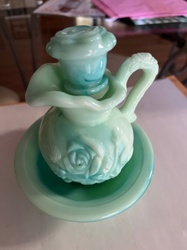
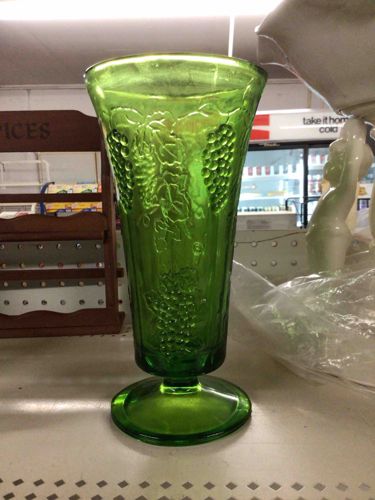
Green Glass Grape and Vine Footed Vase/Goblet

Decorative Glassware

AI Estimated Value

·Not an official valuation·Verify before acting

$30-45

As of May 27, 2026

AI Item Analysis

·AI can make mistakes·Verify before acting
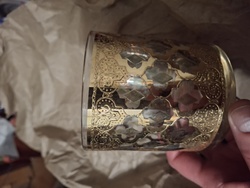
The item is a vibrant green glass footed vase or goblet, showcasing a prominent grape and vine motif in relief on its exterior. It stands with a flared rim, narrowing slightly towards the base of the main body before flaring out again to form a distinct pedestal foot. The green glass is translucent and consistent in color, characteristic of Depression-era or mid-20th century glassware. The surface is heavily textured with the classic 'grape and cable' or 'grape and vine' pattern, featuring clusters of grapes intertwined with leaves and swirling tendrils. This pattern covers most of the cylindrical body, creating a tactile and visually rich surface. The foot is simple, round, and slightly concave underneath, indicating a molded manufacturing process. There are no obvious chips, cracks, or significant abrasions visible, suggesting good overall condition. Minor surface wear consistent with age and typical handling might be present but is not distinctly discernible from the image. The craftsmanship appears to be typical of mass-produced pressed glass of its era, valued more for its decorative appeal and historical significance than for intricate hand-blown artistry. Its bright color and popular pattern suggest it might be Heisey's "Colonial" or a similar pattern from manufacturers like Indiana Glass Company, often produced from the 1920s to the 1950s.
AI Appraisal Report

·AI can make mistakes·Verify before acting
I have carefully examined the provided image of the green glass footed vase/goblet with a grape and vine motif. Based on my visual inspection, the item appears to be in very good condition, showing no apparent chips, cracks, or significant abrasions. This condition is excellent for glassware of its presumed age. Its authenticity as a piece of Depression-era or mid-20th century pressed glass is strongly supported by its consistent translucency, molded pattern, and characteristic green hue. The "grape and vine" pattern is classic, popularized by manufacturers like Indiana Glass Company, and fits the aesthetic of the 1920s-1950s period. Market conditions for this type of decorative glassware are generally stable, driven by collectors of vintage glass and those seeking period-specific decorative items. While not exceedingly rare, pieces in excellent condition from known patterns maintain steady demand. Comparable sales for similar "grape and vine" patterned green glass goblets or vases from Indiana Glass or similar companies typically range from $15 to $40, depending on the exact form and condition. Given its very good condition, it would likely fall on the higher end of this range. Factors impacting value positively include the excellent state of preservation and the enduring appeal of the pattern. Conversely, its mass-produced nature and relatively common pattern prevent it from reaching higher values associated with rarer or art glass. It is important to note the limitations of appraising solely from an image. While the visual evidence strongly suggests good condition and period authenticity, an in-person examination would allow for tactile inspection for faint hairline cracks, internal flaws, or very minor rim nicks not visible in photographs. Furthermore, physical examination could verify manufacturer marks if present, which would aid in definitive pattern and company attribution. Provenance documentation, if available, would further solidify its history and authenticity but is not strictly necessary for this type of decorative glass.

Get your items appraised

Instant estimates of your treasures with AI-powered appraisals

Browse More Appraisals