AI Appraisal Estimate

AI-generated estimates · not official valuations

From the user

What was submitted

Photo and notes provided by the user — not generated by AI

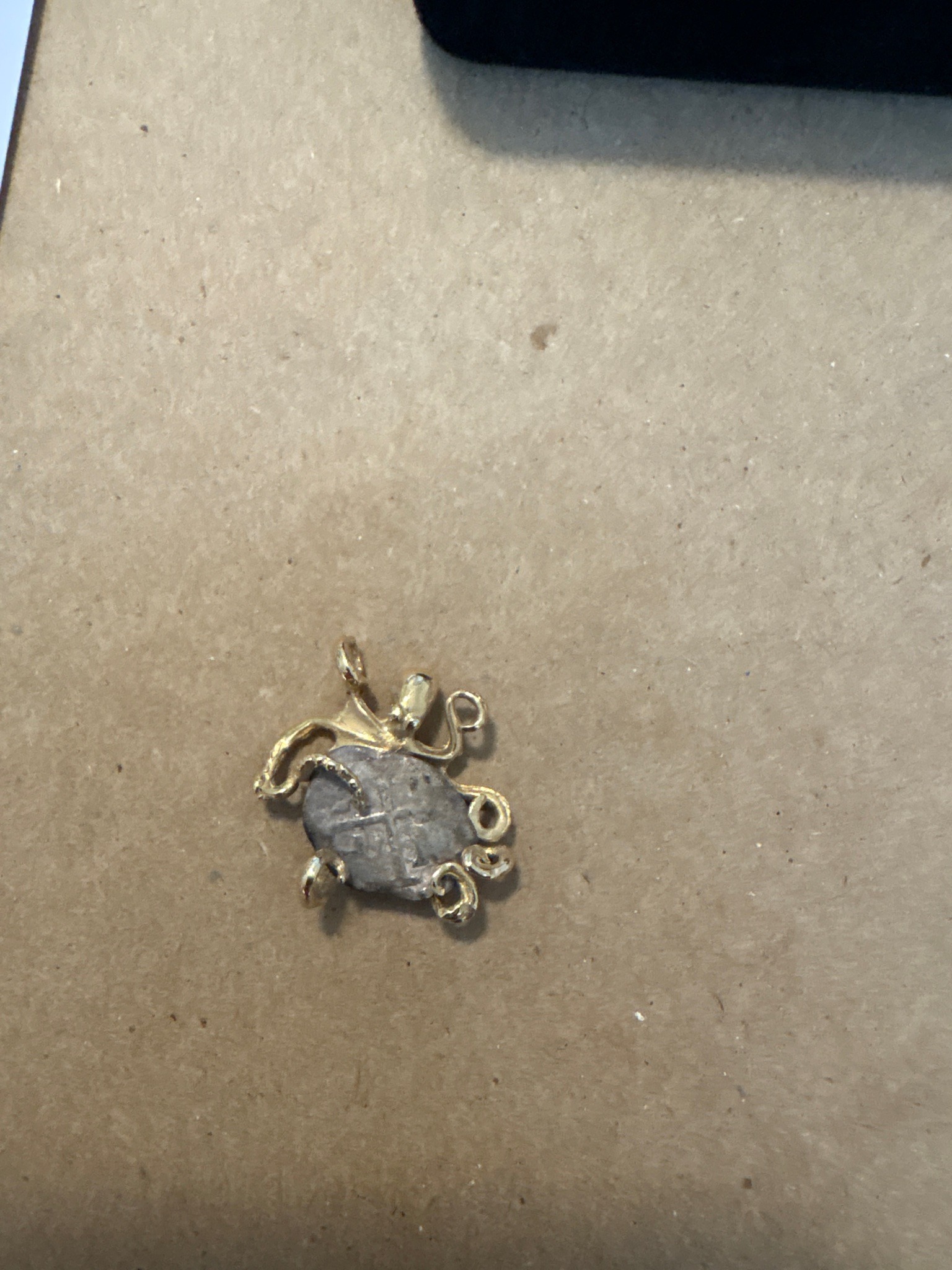
Submitted item photo
Submitted photo · June 4, 2026

User's notes

No additional notes provided.

AI analysis below

AI appraisal

AI analysis & estimate

AI-Generated · Verify before acting

Everything below is generated by AI for informational purposes only. AI can make mistakes — the AI may misidentify items or misattribute them (artist, maker, brand, designer, origin, era). This is not an official valuation and should not be used for insurance, sale, tax, estate, legal, or lending purposes — or any decision requiring a certified appraisal. It is not an authoritative claim about any person, brand, or rights holder — do not share or rely on it as a factual statement about a third party. Always consult qualified professionals before making financial decisions.

Read the full disclaimer

AI Identification

·Not independently authenticated·Verify before acting

Spanish Colonial Treasure Coin Octopus Pendant

Fine Jewelry / Numismatic Collectibles

AI Estimated Value

·Not an official valuation·Verify before acting

$1,800 - $2,500

As of June 4, 2026

AI Item Analysis

·AI can make mistakes·Verify before acting
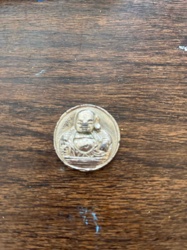
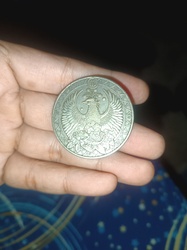
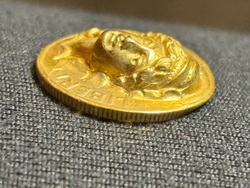
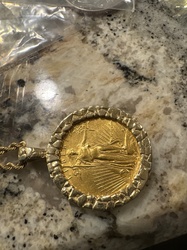
This unique piece of nautical jewelry features a genuine Spanish colonial silver 'cob' coin (likely a 1/2 or 1 real denomination) mounted in a custom-fabricated yellow gold setting designed to resemble an octopus. The coin itself is a primary feature, displaying an irregular hand-struck shape typical of 17th or 18th-century cob currency minted in Spanish colonial mints such as Potosí or Mexico City. The coin's surface shows significant oceanic wear and calcification, suggesting it was recovered from a shipwreck. The visible side of the coin displays a faint Jerusalem cross, although much of the detail is obscured by patina and mineral buildup. The 14k or 18k yellow gold mounting is expertly crafted to look like an octopus grasping the coin with its tentacles. The gold setting has a high-polish finish with textured details on the tentacles to simulate suckers. The octopus's head serves as the decorative body of the pendant, topped with a simple polished bail for attachment to a chain. The craftsmanship is of high quality, combining rough, authentic antiquities with modern fine metalwork. There are no visible maker's marks on the front; however, the gold show signs of professional casting. The overall condition of the gold is excellent, while the coin is in 'shipwreck condition,' prized for its history rather than numismatic perfection.
AI Appraisal Report

·AI can make mistakes·Verify before acting
Based on my visual examination of the Spanish Colonial Treasure Coin Octopus Pendant, I have assessed this piece as a high-end novelty item combining numismatic history with bespoke jewelry craftsmanship. The coin is a silver 'cob,' likely a 1/2 or 1 Real denomination, exhibiting characteristic 'shipwreck effect' (seawater erosion and mineral mineralization) consistent with 17th or 18th-century salvage. The custom 14k-18k yellow gold mount utilizes a sophisticated casting process to create the octopus motif, which is both structurally sound and aesthetically complementary to the irregular shape of the coin. Market demand for shipwreck jewelry remains high, particularly among nautical collectors. Comparables for professionally mounted cob coins vary based on the coin's provenance. Significant value is added by the artisan nature of the gold work; however, the lack of a visible mint mark or date on the coin limits its individual numismatic value to 'grade 3' or 'grade 4' shipwreck quality. Factors impacting value include the weight of the gold and the unique design, which transcends standard bezel mounting. Limitations to this appraisal: Authenticity of the silver cob cannot be definitively verified via imagery. A physical examination is required to check for 'sea-growth' authenticity versus artificial distressing, and to verify the gold purity via X-ray fluorescence (XRF). To reach a 'retail replacement' value at the higher end of the range, provenance documentation—specifically a Certificate of Authenticity (COA) from a known shipwreck recovery (e.g., the Atocha or 1715 Fleet)—would be essential. Without such documentation, the coin is valued as 'attributed to' shipwreck origin. A detailed weight in grams and a touchstone test for karatage are recommended for a finalized insurance valuation.

Get your items appraised

Instant estimates of your treasures with AI-powered appraisals

Browse More Appraisals