AI Appraisal Estimate

AI-generated estimates · not official valuations

From the user

What was submitted

Photo and notes provided by the user — not generated by AI

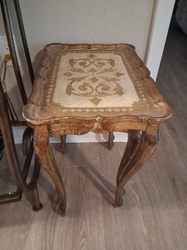
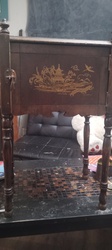
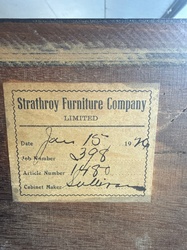
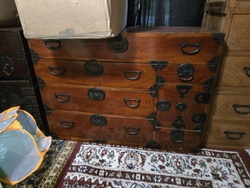
Submitted item photo
Submitted photo · June 12, 2026

User's notes

No additional notes provided.

AI analysis below

AI appraisal

AI analysis & estimate

AI-Generated · Verify before acting

Everything below is generated by AI for informational purposes only. AI can make mistakes — the AI may misidentify items or misattribute them (artist, maker, brand, designer, origin, era). This is not an official valuation and should not be used for insurance, sale, tax, estate, legal, or lending purposes — or any decision requiring a certified appraisal. It is not an authoritative claim about any person, brand, or rights holder — do not share or rely on it as a factual statement about a third party. Always consult qualified professionals before making financial decisions.

Read the full disclaimer

AI Identification

·Not independently authenticated·Verify before acting

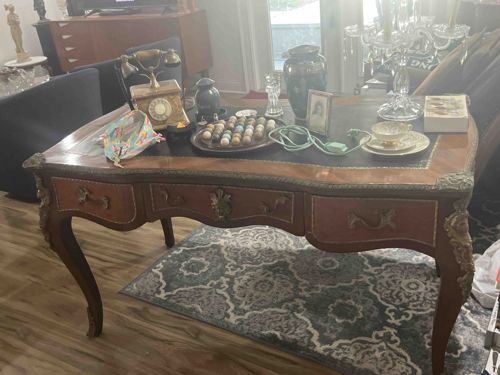
French Louis XV Style Ormolu-Mounted Bureau Plat (Writing Desk)

Antique Furniture

AI Estimated Value

·Not an official valuation·Verify before acting

$2,500 - $4,000

As of June 12, 2026

AI Item Analysis

·AI can make mistakes·Verify before acting
This is a fine French Louis XV style bureau plat, or writing desk, characterized by its elegant serpentine silhouette and cabriole legs. The piece is constructed with a dark-toned wood, likely mahogany or kingwood veneers, featuring a three-drawer frieze. The top surface is inset with a black leather or faux-leather writing surface, bordered by a gold-tooled decorative edge and framed by a cross-banded wood perimeter with a cast brass or ormolu rim. The desk is heavily adorned with ornate cast metal mounts (ormolu), including decorative corner protectors, scrolling foliate drawer pulls, and expressive 'espagnolette' or feminine bust mounts decorating the knees of the legs. The legs terminate in decorative metal sabots. The craftsmanship exhibits classic 20th-century revivalist techniques, imitating the grandeur of the 18th-century French court. While the wood shows a rich, warm patina, there are visible signs of use including minor surface scuffs on the wood and some dulling of the metal gilding. The construction appears sturdy, though the hardware shows age-appropriate oxidation. The overall aesthetic suggests a mid-20th century production of high-quality decorative furniture designed to evoke European aristocratic luxury.
AI Appraisal Report

·AI can make mistakes·Verify before acting
I have conducted a visual examination of this French Louis XV style bureau plat. The desk demonstrates the classic 'bureau de ministre' form, featuring high-quality parquetry veneers and elaborate rococo-style ormolu mounts. Based on the crispness of the casting and the specific patina of the wood, this appears to be a fine 20th-century revival piece rather than an 18th-century original. The condition is generally good; however, there is visible oxidation on the brass mounts and minor scuffing on the frieze, which are consistent with mid-century age. The black leather inset remains intact, though it shows moderate signs of use. The market for French revival furniture remains stable for high-quality decorative office pieces. Comparable items sold at regional auction houses typically fetch between $2,000 and $5,000 depending on the level of detail in the metalwork and the condition of the surface. The 'espagnolette' mounts significantly enhance the aesthetic appeal, which is a primary driver for interior design demand. Rarity is moderate, as these were produced in limited quantities by reputable Parisian makers during the early-to-mid 1900s. Critically, a definitive valuation is limited by the digital nature of this inspection. A physical examination is required to verify joinery techniques (such as hand-cut versus machine-cut dovetails) and to check for maker stamps (e.g., François Linke or Krieger), which could triple the value. I would also need to inspect the underside of the carcass to confirm wood species and check for historic insect damage. Furthermore, provenance documentation or original bills of sale would be necessary to establish a more precise historical context for this specific piece.

Get your items appraised

Instant estimates of your treasures with AI-powered appraisals

Browse More Appraisals