Naturally Formed Sedimentary River Rock
Geological Specimens

Naturally Formed Sedimentary River Rock

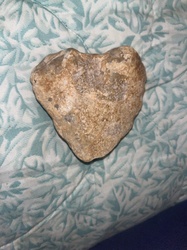
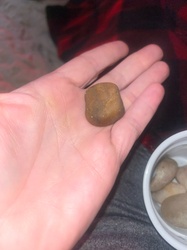
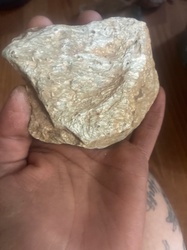
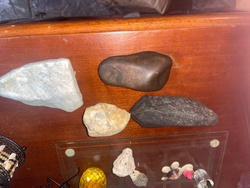
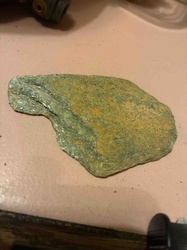
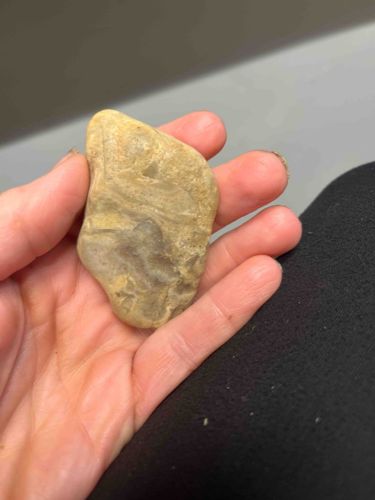
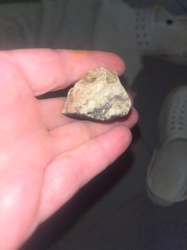
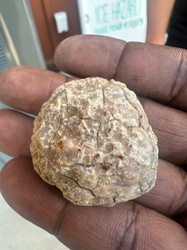
This item is a small, hand-sized specimen of naturally occurring stone, likely a sedimentary variety such as chert or a weathered limestone. It measures approximately 2.5 to 3 inches in length and features an irregular, somewhat ovate shape with smoothed, water-worn edges. The primary color palette consists of earthy tans, ochres, and muted yellows, accompanied by patches of translucent grey and cloudy white that indicate a cryptocrystalline structure. The surface texture is diverse, exhibiting a combination of smooth, river-polished faces and small, angular indentations or pit marks characteristic of natural erosion. There is a visible lack of intentional knapping, flaking, or anthropogenic alteration, suggesting this is a geological product rather than an artifact like an arrowhead or scraper. The specimen displays a natural matte patina with minor surface deposits and shows no signs of modern repairs or synthetic polishing. Its asymmetrical form and variegated mineral bands point to a natural formation process occurring over thousands of years within a fluvial or glacial environment. The craftsmanship is entirely environmental, shaped by the abrasive forces of water and sediment transport rather than human hand.

Estimated Value

$5 - $15

Basic Information

Category

Geological Specimens

Appraised On

April 3, 2026

Estimated Value

$5 - $15

Item Description

This item is a small, hand-sized specimen of naturally occurring stone, likely a sedimentary variety such as chert or a weathered limestone. It measures approximately 2.5 to 3 inches in length and features an irregular, somewhat ovate shape with smoothed, water-worn edges. The primary color palette consists of earthy tans, ochres, and muted yellows, accompanied by patches of translucent grey and cloudy white that indicate a cryptocrystalline structure. The surface texture is diverse, exhibiting a combination of smooth, river-polished faces and small, angular indentations or pit marks characteristic of natural erosion. There is a visible lack of intentional knapping, flaking, or anthropogenic alteration, suggesting this is a geological product rather than an artifact like an arrowhead or scraper. The specimen displays a natural matte patina with minor surface deposits and shows no signs of modern repairs or synthetic polishing. Its asymmetrical form and variegated mineral bands point to a natural formation process occurring over thousands of years within a fluvial or glacial environment. The craftsmanship is entirely environmental, shaped by the abrasive forces of water and sediment transport rather than human hand.
Get Your Items Appraised

Instant estimates of your treasures with AI-powered instant appraisals

Browse More Appraisals