AI identification & appraisal estimate

Canadian One-Dollar Coin (Loonie)

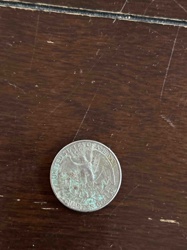
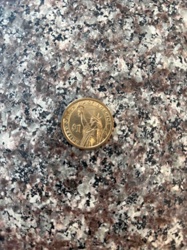
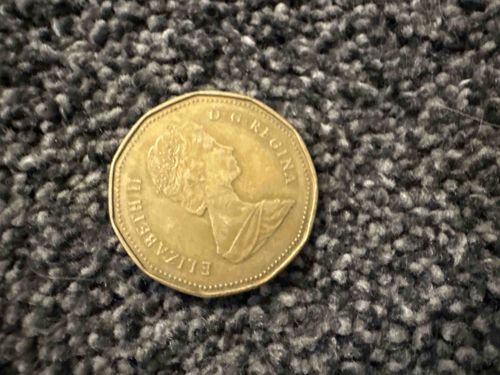
Submitted photo of Canadian One-Dollar Coin (Loonie)
Photo submitted by the user — not generated by AI

AI Estimated Value

Not an official valuation

$1.00 - $1.25 CAD

AI estimate as of February 11, 2026 · verify with a professional before acting

AI-Generated · Verify before acting

Everything on this page is generated by AI for informational purposes only. AI can make mistakes — the AI may misidentify items or misattribute them (artist, maker, brand, designer, origin, era). This is not an official valuation and should not be used for insurance, sale, tax, estate, legal, or lending purposes — or any decision requiring a certified appraisal. It is not an authoritative claim about any person, brand, or rights holder — do not share or rely on it as a factual statement about a third party. Always consult qualified professionals before making financial decisions.

Read the full disclaimer

AI Item Analysis

This is a Canadian one-dollar circulation coin, commonly referred to as a 'Loonie' due to the common usage of a loon on the reverse side. The side shown is the obverse, featuring the right-facing profile of Queen Elizabeth II by artist Dora de Pédery-Hunt. The coin has a distinct eleven-sided (hendecagonal) shape, introduced in 1987. It is manufactured from gold-colored aureate-plated bronze over nickel. The inscription reads 'ELIZABETH II' and 'D.G. REGINA' (Dei Gratia Regina). The coin exhibits significant circulation wear, visible as blurring of the fine details in the Queen's hair and clothing, as well as minor surface scratches and scuffing known as 'bag marks'. The finish is a matte brassy-gold color with a light patina and some localized darkening near the rim. This specific portrait design was used between 1990 and 2002, suggesting the coin originates from that era. The craftsmanship is industrial-grade government minting, intended for high durability in commerce.
AI Appraisal Report

I have virtually examined this Canadian one-dollar circulation coin, commonly identified as the 'Loonie.' My assessment confirms that this piece features the Dora de Pédery-Hunt effigy of Queen Elizabeth II, which places its production between 1990 and 2002. Based on the visible surface characteristics, the coin reflects 'Circulated' condition (likely Fine to Very Fine on the Sheldon scale). There is evident smoothing of the high points in the Queen’s crown and hair, along with consistent 'bag marks' and abrasions across the fields. The bronze-plated nickel composition shows common oxidation and localized darkening consistent with heavy transactional use. From a numismatic perspective, this is a high-mintage, non-precious metal bullion coin. Millions of these were struck annually, and because it lacks a rare date or a recognized variety (such as the 1992 'Large CC' or specific structural errors), its market value is almost exclusively tied to its legal tender face value. Comparables for circulated examples from this era sell in bulk at face value or, occasionally, for a slight premium of $0.10–$0.25 if sold to international collectors. Limitations of this appraisal include the inability to verify the coin's precise weight and magnetic signature, which are essential for distinguishing genuine Mint products from sophisticated counterfeits. A physical examination using a digital scale (accurate to 0.01g), a magnet test, and a high-magnification loupe to inspect the rim and 'denticles' would be required for definitive authentication. Furthermore, the exact year is not visible on the obverse; should the reverse reveal a 1987 or a commemorative date, the value would remain within the $1–$2 range due to the heavy wear present.

Keep exploring

More numismatics / currency appraisals

Get your items appraised

Instant AI-powered appraisal estimates from a photo

Browse More Appraisals