From the user

What was submitted

Photo and notes provided by the user — not generated by AI

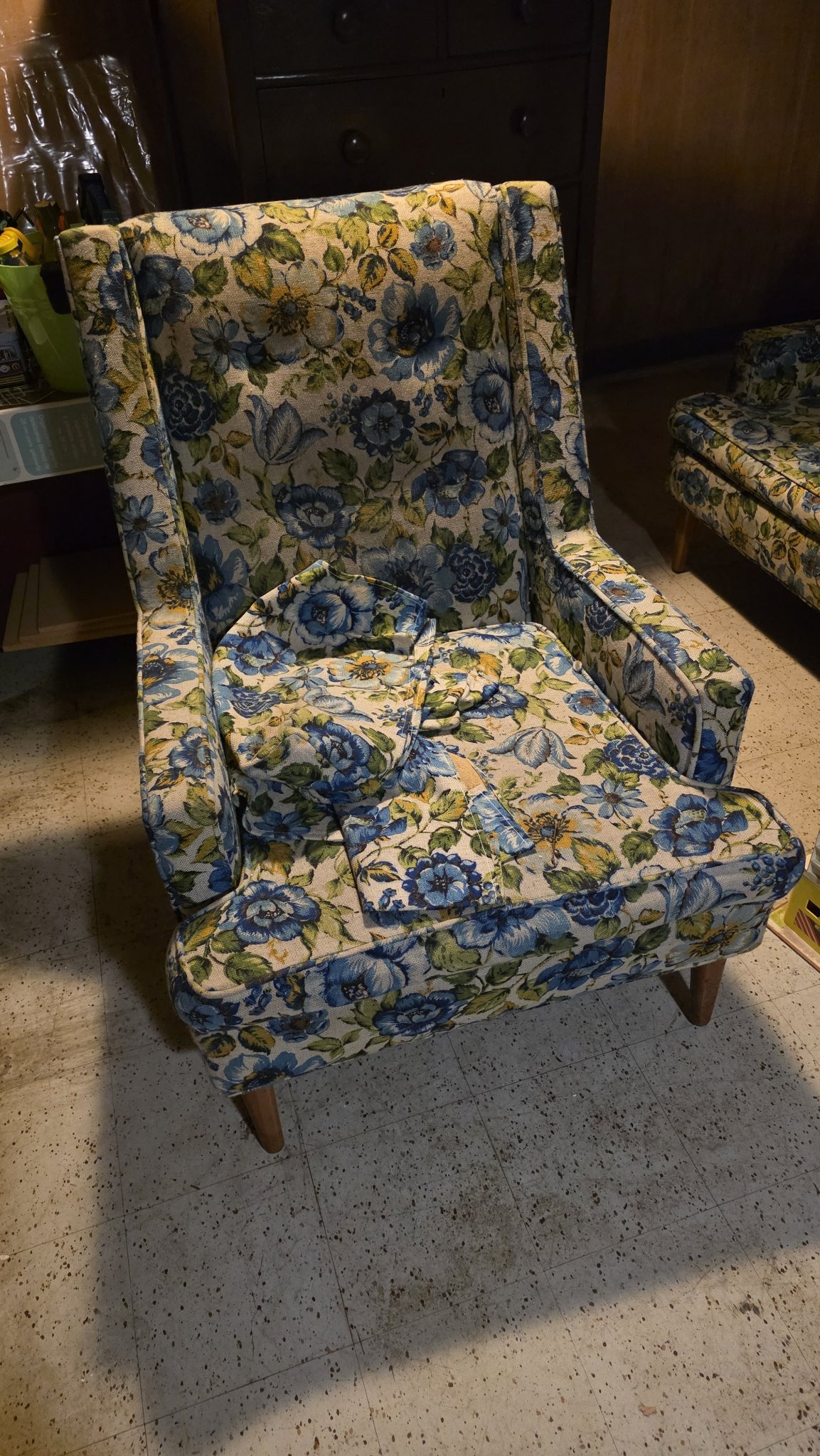
Submitted item photo
Submitted photo · May 15, 2026

User's notes

mid century modern high back club chair from 1960s-1970s

AI analysis below

AI appraisal

AI analysis & estimate

AI-Generated · Verify before acting

Everything below is generated by AI for informational purposes only. AI can make mistakes — the AI may misidentify items or misattribute them (artist, maker, brand, designer, origin, era). This is not an official valuation and should not be used for insurance, sale, tax, estate, legal, or lending purposes — or any decision requiring a certified appraisal. It is not an authoritative claim about any person, brand, or rights holder — do not share or rely on it as a factual statement about a third party. Always consult qualified professionals before making financial decisions.

Note

This analysis also relies on unverified notes provided by the user, which may be incomplete or inaccurate and could affect the result.

Read the full disclaimer

AI Identification

·Not independently authenticated·Verify before acting

Mid-Century Modern High-Back Floral Club Chair

Furniture / Seating

AI Estimated Value

·Not an official valuation·Verify before acting

$450 - $650

As of May 15, 2026

AI Item Analysis

·AI can make mistakes·Verify before acting
This is a vintage high-back club chair dating from the mid-1960s to early 1970s, featuring a distinctive tall, slightly angled backrest and integrated armrests. The chair is fully upholstered in a period-correct, heavy-weight woven jacquard or barkcloth fabric characterized by a vibrant blue, teal, and green floral pattern against a cream background. Physically, the piece stands on four tapered solid wood legs, typical of the Danish Modern influence on American furniture of that era. The construction utilizes welted seams along the edges of the box seat cushion and armrests for a finished, structured look. Notable features include matching fabric arm-covers (shown resting on the seat), which were commonly used to prevent wear on contact points. The visible condition indicates moderate use, with some softening of the seat cushion foam and minor surface scuffing on the wooden legs. The upholstery appears remarkably well-preserved for its age, suggesting high-quality craftsmanship and careful ownership. While no maker's mark is immediately visible in the image, the silhouette is consistent with manufacturers like Kroehler or Bassett. The overall aesthetic perfectly captures the transitional period between sleek mid-century minimalism and the bolder, maximalist patterns of the 1970s.
AI Appraisal Report

·AI can make mistakes·Verify before acting
I have carefully examined the visual evidence of this Mid-Century Modern high-back club chair. The piece is a quintessential example of late 1960s transitional design, blending the tapered leg profile of the Danish Modern movement with the burgeoning maximalist floral aesthetics of the early 1970s. The upholstery, a heavy woven jacquard, shows remarkable preservation with vibrant pigment retention, which is rare for botanical prints of this era. The inclusion of original arm covers suggests a high level of previous owner care, significantly bolstering its secondary market appeal. While the silhouette is reminiscent of Kroehler or Bassett, the lack of a visible tag prevents a definitive attribution to a specific designer or manufacturer. From this visual inspection, the chair appears structurally sound, though I noted minor compression in the seat foam and surface wear on the tapered wooden legs consistent with age. In the current market, authentic MCM furniture with original 'statement' upholstery is highly sought after by boutique retailers and interior decorators. This valuation reflects prices realized at regional mid-tier auctions and specialized vintage showrooms. However, a full authentication is limited by the medium of photography. To finalize this appraisal, I would require an in-person inspection of the underside dust cover for manufacturer stamps and a physical 'sniff test' to ensure the foam and fabric are free of internal mold or dry rot. Scientific testing of the finishes or textile fibers is not typically warranted for this market tier, but provenance documentation—such as original purchase receipts—could potentially elevate the value toward the higher end of the range.

Get your items appraised

Instant estimates of your treasures with AI-powered appraisals

Browse More Appraisals