AI Appraisal Estimate

AI-generated estimates · not official valuations

From the user

What was submitted

Photo and notes provided by the user — not generated by AI

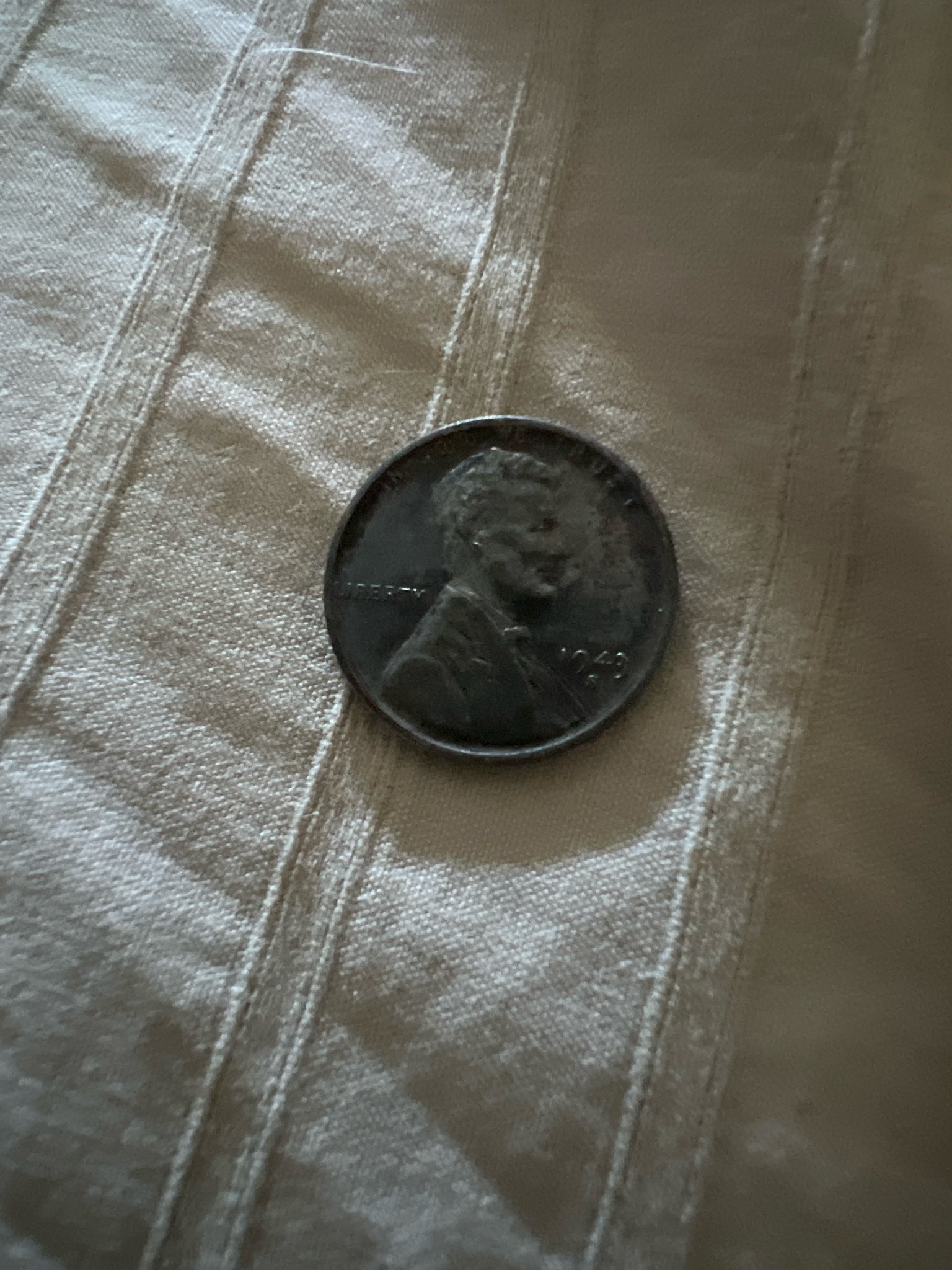
Submitted item photo
Submitted photo · July 3, 2026

User's notes

No additional notes provided.

AI analysis below

AI appraisal

AI analysis & estimate

AI-Generated · Verify before acting

Everything below is generated by AI for informational purposes only. AI can make mistakes — the AI may misidentify items or misattribute them (artist, maker, brand, designer, origin, era). This is not an official valuation and should not be used for insurance, sale, tax, estate, legal, or lending purposes — or any decision requiring a certified appraisal. It is not an authoritative claim about any person, brand, or rights holder — do not share or rely on it as a factual statement about a third party. Always consult qualified professionals before making financial decisions.

Read the full disclaimer

AI Identification

·Not independently authenticated·Verify before acting

United States one-cent coin in the style of a 1943 Lincoln steel penny

Coins and Numismatics

AI Estimated Value

·Not an official valuation·Verify before acting

$0.10 - $0.50

As of July 3, 2026

AI Item Analysis

·AI can make mistakes·Verify before acting
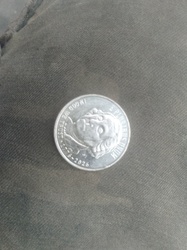
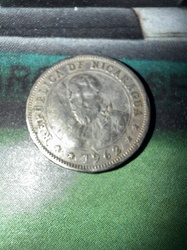
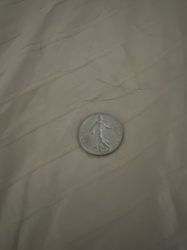
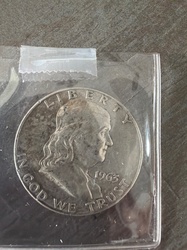
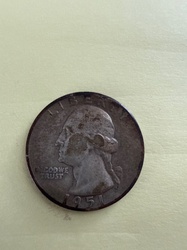
This item is a circular metal coin that appears to be consistent with a United States Lincoln Cent. The obverse side is visible, featuring a right-facing profile of Abraham Lincoln, which is stylistically consistent with the Victor David Brenner design. The surface of the coin exhibits a dark, dull grey color with mottled black or brownish oxidation and heavy patina, which is consistent with the appearance of a zinc-coated steel coin from the World War II era. The text visible on the coin's surface appears to read 'LIBERTY' to the left of the profile and a date that is legible as '1943' to the right. Faint remains of the motto 'IN GOD WE TRUST' appear along the top rim. The coin shows signs of significant wear, including softened details on Lincoln's hair and clothing, as well as possible environmental damage or corrosion. No mint mark is clearly visible below the date in this image, which would be consistent with a Philadelphia mint strike, assuming the coin's features are accurate. This identification is a hypothesis based on visual evidence, as physical testing for magnetism or composition is required to differentiate the item from later copper-plated zinc cents or rare copper-alloy errors from that year. The item is currently resting on a neutral-toned fabric background with vertical textures.
AI Appraisal Report

·AI can make mistakes·Verify before acting
Based on my visual examination of the image provided, the item possesses characteristics consistent with a 1943 Lincoln steel cent, a common issue produced during World War II. The dark, mottled grey surface and visible oxidation suggest a zinc-coated steel composition typical of this era. I have assessed this value based on the hypothesis that the coin is a common Philadelphia mint strike in a mid-range circulated condition. From a photo alone, I cannot verify the magnetism of the core or the specific metallic composition, which would be necessary to differentiate this from a reprocessed coin or a contemporary reproduction. The coin shows significant wear, with softened details in the hair and peripheral text, which negatively impacts its numismatic value. General market behavior for well-circulated 1943 steel cents typically sees them trading at a very modest premium over face value, as they were minted in large quantities. To confirm this estimate and the coin's status, an in-person examination by a professional numismatist would be required to rule out potential copper-plated zinc counterfeits or higher-value error strikes. If this item were determined to be a modern reproduction or 'in the style of' a steel cent made from non-period materials, its value would be negligible. Conversely, in the highly unlikely event that physical testing proved the coin to be a rare copper-alloy error from 1943, the value would increase by several orders of magnitude; however, without such testing, I must evaluate it as a standard steel issue. Given the current condition and visible corrosion, the demand is primarily limited to entry-level collectors.

Get your items appraised

Instant estimates of your treasures with AI-powered appraisals

Browse More Appraisals