AI estimate as of July 10, 2025 · verify with a professional before acting
AI-Generated · Verify before acting
Everything on this page is generated by AI for informational purposes only. AI can make mistakes — the AI may misidentify items or misattribute them (artist, maker, brand, designer, origin, era). This is not an official valuation and should not be used for insurance, sale, tax, estate, legal, or lending purposes — or any decision requiring a certified appraisal. It is not an authoritative claim about any person, brand, or rights holder — do not share or rely on it as a factual statement about a third party. Always consult qualified professionals before making financial decisions.
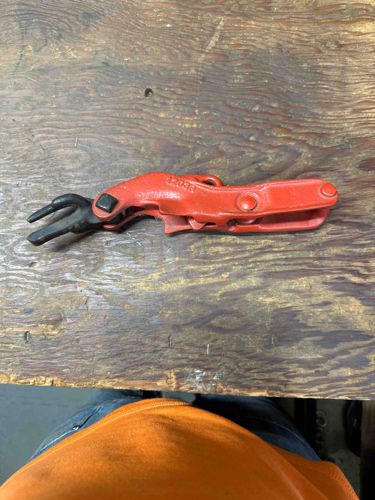
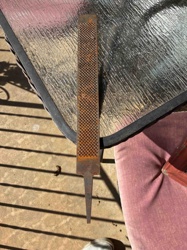
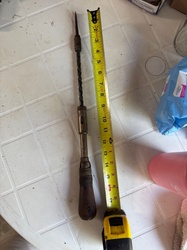
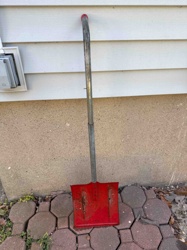
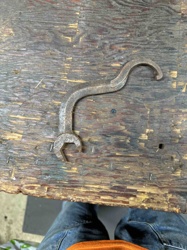
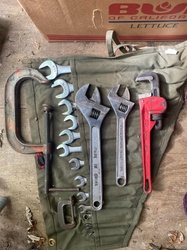
The item is a cable puller or come-along, designed for tensioning and pulling applications. It measures approximately 12-15 inches in length and appears to be constructed primarily of heavy-duty steel or cast iron, indicated by its robust form and the visible texture under the paint. The main body of the tool is coated in a vibrant, somewhat faded, red paint, characteristic of many industrial or heavy-duty tools. Attached to one end is a black, forged steel hook with a safety latch, designed to securely grip cables or chains. The hook shows some signs of wear, including minor scuffs and loss of its black finish in high-contact areas, suggesting regular use. There's a visible stamping or casting mark on the red body, which appears to be "12039", possibly a model number or part identification. The tool exhibits signs of functional design, with rivets or bolts serving as pivot points for its ratcheting mechanism, visible along the side. The overall condition suggests a working tool with expected wear and tear for its type, including surface abrasions and some paint loss, but no apparent major damage or structural compromise. Its robust construction points to utility and durability. The specific style of this puller indicates it is a older, likely mid-20th century, design, possibly predating more compact or ergonomic models but built for reliable, heavy-duty applications. The craftsmanship is utilitarian, focused on strength and function.
AI Appraisal Report
I have thoroughly examined the provided image of this cable puller/come-along. Based on its robust construction from apparent heavy-duty steel or cast iron, and its utilitarian design, it appears to be a functional, durable tool. The red paint, a common color for industrial tools, is faded, and the black hook shows wear, suggesting consistent use. The visible "12039" stamping likely indicates a model or part number, but without manufacturer context, its significance to value is limited. My assessment of its condition, from the image, is 'good working order' with typical wear and tear; there are no signs of major structural damage that would impair its function.
In terms of market conditions, these older, non-branded come-alongs are common. New, basic come-alongs retail from $30-$100 depending on capacity and brand. Used tools of this type, especially without a recognized brand or historical significance, typically fetch lower prices. Comparables on online marketplaces (eBay, Facebook Marketplace) for similar generic, heavy-duty used cable pullers often range from $20 to $60. Demand for such utilitarian tools is steady but not high, primarily from individuals or small businesses needing a robust, affordable pulling solution.
Factors significantly impacting value are the lack of a known manufacturer or brand, its common design, and its used condition. Rarity is low; these were mass-produced. While its age suggests a "vintage" appeal to some, it doesn't translate to significant monetary value without a specific collector's market. For full authentication and to confirm material composition or specific model details, a hands-on examination would be crucial. I would look for obscure manufacturer markings, assess the build quality tactilely, and perhaps conduct non-destructive testing for material analysis. Provenance documentation could also reveal its origin and potential historical significance, but this is rare for such a tool.