AI estimate as of October 1, 2025 · verify with a professional before acting
AI-Generated · Verify before acting
Everything on this page is generated by AI for informational purposes only. AI can make mistakes — the AI may misidentify items or misattribute them (artist, maker, brand, designer, origin, era). This is not an official valuation and should not be used for insurance, sale, tax, estate, legal, or lending purposes — or any decision requiring a certified appraisal. It is not an authoritative claim about any person, brand, or rights holder — do not share or rely on it as a factual statement about a third party. Always consult qualified professionals before making financial decisions.
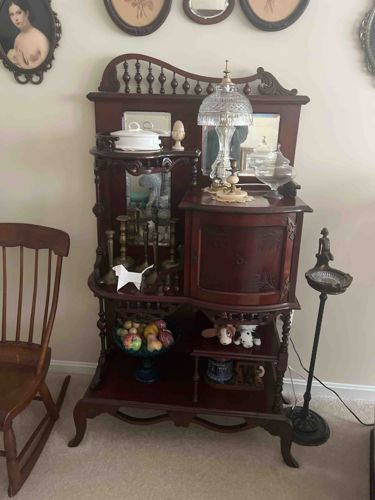
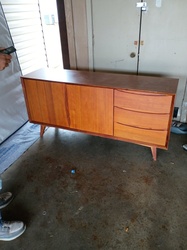
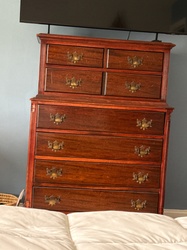
This is a Victorian-era etagere, a type of furniture characterized by open shelves for displaying various objects, typically made of dark wood. The piece is constructed from a rich, dark-stained wood, likely mahogany or walnut, exhibiting the typical ornate and elaborate style of the late 19th century. Its physical characteristics include multiple tiers and shelves of varying sizes and shapes, providing ample display space. The top features a decorative, carved crest with spindle-turned elements, leading down to a central mirror and several display surfaces. On the right side, there is a cabinet with a curved front, possibly a small storage compartment, which appears to have some carved or embossed detailing on its surface. The overall construction shows intricate turned columns and decorative scrollwork on the edges of the shelves and the base. The base of the etagere is supported by elegant, curved legs, connected by lower shelves and stretchers, typical of the period. Visible condition issues are minimal from the provided image, but some surface wear consistent with its age and use (such as minor scratches or fading of the finish) would be expected. The patina of the wood is deep and rich, indicating its age and proper care. While there are no discernible maker's marks or signatures visible in the image, the style strongly suggests a manufacturing period between the 1870s and 1900s. The craftsmanship appears to be of high quality, with detailed carving and joining, indicative of handcrafted or semi-handcrafted production methods common during the Victorian era. The piece is adorned with various decorative items, including a clear glass lamp with an ornate base, a white lidded dish, an egg-shaped ornament, several candlesticks, a blue glass bowl filled with decorative fruit, and several small figurines, all contributing to its display purpose. The mirrors integrated into the design amplify the light and provide an illusion of depth.
AI Appraisal Report
I've examined the provided image of this Victorian-era etagere. Visually, the piece appears authentic to the late 19th century, likely between 1870 and 1900, based on its ornate design, use of dark wood (consistent with mahogany or walnut), multiple tiers, turned elements, and decorative scrollwork. The overall condition, from what is discernible in the image, seems very good for its age, showcasing a rich patina that speaks to a long history and proper care. I observe minimal visible damage; however, as with any antique of this type, minor surface wear, scratches, or fading of the finish are to be expected and would typically not significantly detract from its value unless extensive. The quality of craftsmanship, with detailed carving and joining, suggests it was a well-made piece during its time.
Market conditions for Victorian furniture have seen fluctuations, but finely preserved and artistically significant pieces like this etagere retain a strong following among collectors and decorators. Comparables for such intricate etageres in good condition typically fall within the $1,000 to $2,500 range, depending on provenance, specific timber, and overall preservation. This piece's elaborate structure, central mirror, and integrated cabinet add to its desirability. While not exceptionally rare, good examples are becoming less common. Demand remains steady for well-maintained, display-oriented pieces suitable for period homes or eclectic interiors.
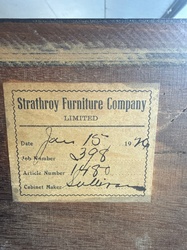
Several factors significantly impact its value, including its age, apparent quality of construction, and excellent visual condition. The absence of heavy visible damage is a strong positive. However, it's crucial to state the limitations of appraising solely from an image. I cannot definitively verify the specific wood species, internal condition beyond visible surfaces, structural integrity, or the extent of any repairs or restorations that might have occurred. Full authentication would require a hands-on examination to inspect joinery, hidden sections, assess wood grain, test for stability, and look for maker's marks or labels that might be obscured (though many Victorian pieces were unsigned). A physical inspection would also allow for a more precise assessment of any surface wear or repairs that are not fully observable in the photograph.
Considering all these points, my appraisal value for this Victorian etagere, based on the visual evidence, is estimated to be between $1,200 and $2,000.