AI Appraisal Estimate

AI-generated estimates · not official valuations

From the user

What was submitted

Photo and notes provided by the user — not generated by AI

Submitted item photo
Submitted photo · June 15, 2026

User's notes

No additional notes provided.

AI analysis below

AI appraisal

AI analysis & estimate

AI-Generated · Verify before acting

Everything below is generated by AI for informational purposes only. AI can make mistakes — the AI may misidentify items or misattribute them (artist, maker, brand, designer, origin, era). This is not an official valuation and should not be used for insurance, sale, tax, estate, legal, or lending purposes — or any decision requiring a certified appraisal. It is not an authoritative claim about any person, brand, or rights holder — do not share or rely on it as a factual statement about a third party. Always consult qualified professionals before making financial decisions.

Read the full disclaimer

AI Identification

·Not independently authenticated·Verify before acting

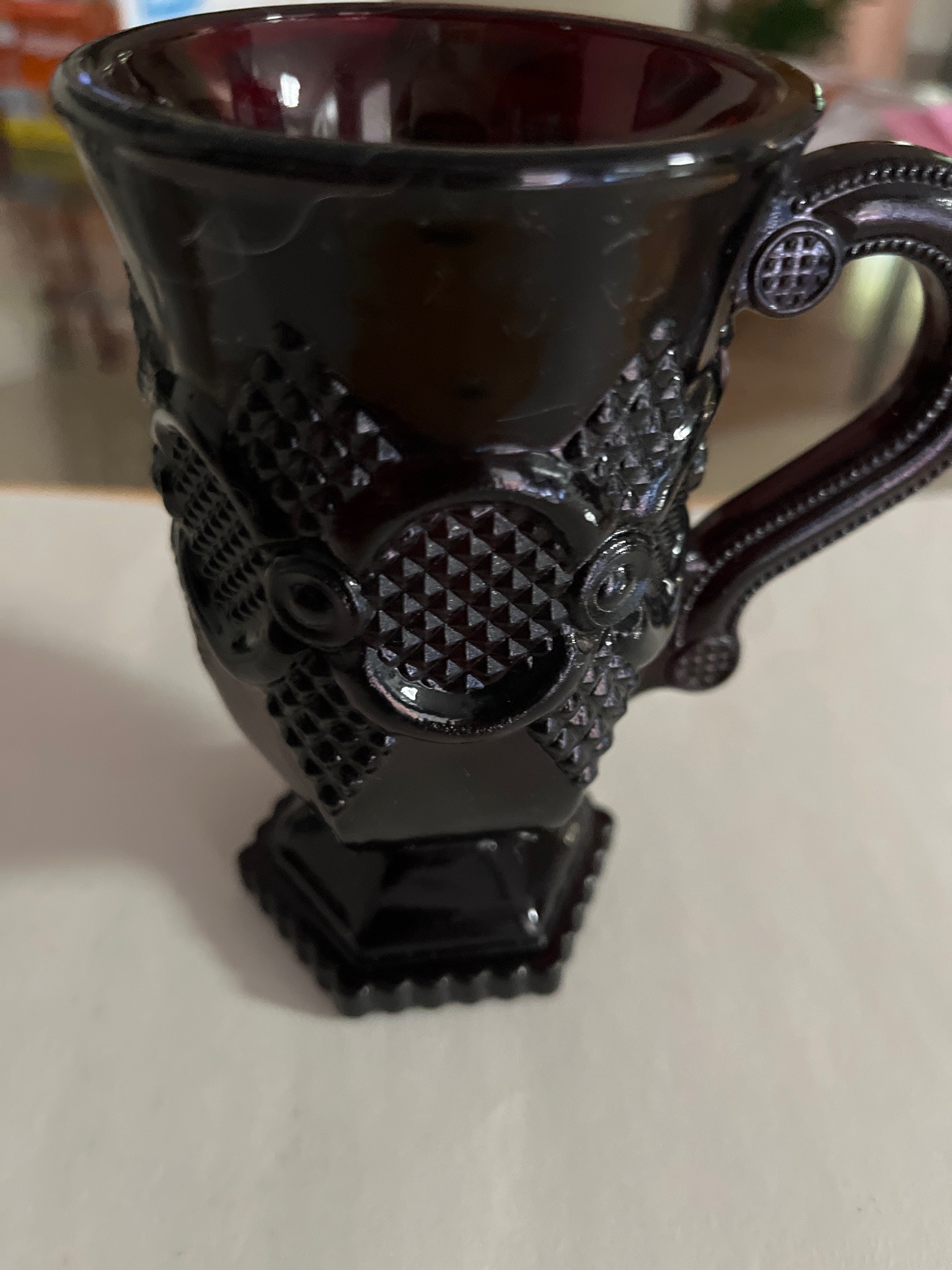
Pressed glass mug in a deep ruby or black-amethyst style

Collectible Glassware

AI Estimated Value

·Not an official valuation·Verify before acting

$25 - $45

As of June 15, 2026

AI Item Analysis

·AI can make mistakes·Verify before acting
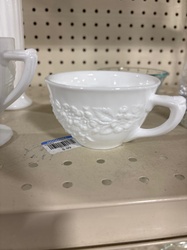
This item is a small, ornate mug or cup crafted from pressed glass. The glass appears to be a very deep, dark color—either black-amethyst (which shows purple when held to light) or a dense ruby red. The exterior features a highly tactile, molded diamond-point or hobnail pattern arranged in geometric and circular motifs, appearing stylistically consistent with late 19th-century Victorian or mid-20th-century Early American Preserved Glass (EAPG) revivals. The cup possesses a distinctive C-shaped handle with cross-hatched circular medallions at the terminals. It rests on a multi-sided pedal or hexagonal base with a serrated or 'zipper' edge at the bottom. No maker's marks or logos are visible in the photograph; therefore, specific attribution to manufacturers like Imperial Glass or Westmoreland remains a hypothesis based on stylistic similarities. The craftsmanship shows typical seams from a multi-part mold. The surface appears to be in well-maintained condition with a high gloss, showing no obvious chips or cracks in the provided view, though some light surface dust is present. All identifications are subject to in-person inspection of light translucency and potential base marks.
AI Appraisal Report

·AI can make mistakes·Verify before acting
Based on the provided imagery, I have examined this pressed glass mug featuring an intricate diamond-point pattern and a multi-sided pedal base. The dark coloration suggests a working hypothesis of black-amethyst or deep ruby glass, though I cannot verify the exact hue or translucency without holding the piece to a direct light source. The molding appears consistent with Early American Pattern Glass (EAPG) styles from the late 19th century or, more likely, mid-20th-century revivals produced by companies such as Imperial Glass or Westmoreland. While the piece bears characteristics associated with these manufacturers, the absence of a visible trademark in the photo means any specific attribution remains a hypothesis. My value estimate is based on the item being a mid-century production in excellent condition. If physical inspection were to reveal a verified manufacturer's mark, such as the Imperial 'IG' or Westmoreland's 'WG', the value might sit at the higher end of the range. Conversely, if the piece is an unattributed modern reproduction or contains undisclosed chips to the sharp hobnail points, the value would likely fall below $15. The market for mid-century colored glass remains stable among niche collectors, though demand is most consistent for pieces with documented provenance or clear catalog matches. To reach a more formal conclusion, an in-person examination is required to check for 'straw marks,' mold wear, and specific base wear patterns that differentiate vintage glass from modern copies. Scientific testing of the glass composition or a review of original manufacturer catalogs would be necessary to validate any specific historical attribution.

Get your items appraised

Instant estimates of your treasures with AI-powered appraisals

Browse More Appraisals