AI Appraisal Estimate

AI-generated estimates · not official valuations

From the user

What was submitted

Photo and notes provided by the user — not generated by AI

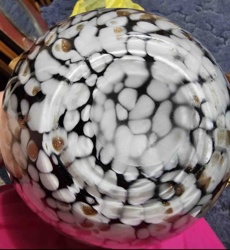
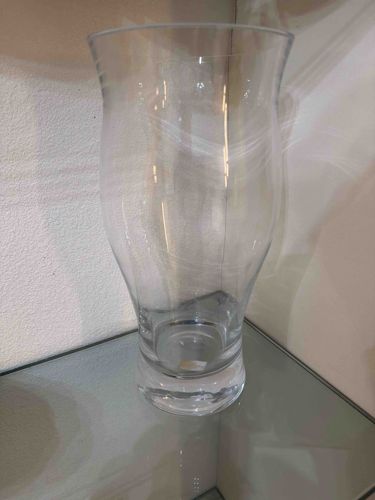
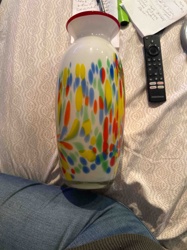
Submitted item photo
Submitted photo · June 18, 2026

User's notes

Watra made in Poland

AI analysis below

AI appraisal

AI analysis & estimate

AI-Generated · Verify before acting

Everything below is generated by AI for informational purposes only. AI can make mistakes — the AI may misidentify items or misattribute them (artist, maker, brand, designer, origin, era). This is not an official valuation and should not be used for insurance, sale, tax, estate, legal, or lending purposes — or any decision requiring a certified appraisal. It is not an authoritative claim about any person, brand, or rights holder — do not share or rely on it as a factual statement about a third party. Always consult qualified professionals before making financial decisions.

Note

This analysis also relies on unverified notes provided by the user, which may be incomplete or inaccurate and could affect the result.

Read the full disclaimer

AI Identification

·Not independently authenticated·Verify before acting

Watra Glass Hurricane Vase, Poland

Art Glass / Home Decor

AI Estimated Value

·Not an official valuation·Verify before acting

$45-75

As of June 18, 2026

AI Item Analysis

·AI can make mistakes·Verify before acting
This is a large, hand-blown clear glass hurricane-style vase produced by Watra in Poland. The piece features a classic baluster or tulip-shaped silhouette, characterized by a wide, slightly flared mouth that tapers inward at the neck, swells gracefully at the body, and narrows again before meeting a thick, weighted solid glass base. The construction is exemplary of Polish glassmaking, known for its clarity and substantial heft. The base is notably dense to provide stability for tall floral arrangements or large pillar candles. The glass contains minimal inclusions or air bubbles, indicating high-quality production. A faint rectangular metallic sticker is visible near the bottom, consistent with Watra 'Made in Poland' branding. In terms of condition, the item appears to be in excellent used condition with no visible chips, cracks, or heavy scouring. There is minor shelf wear on the underside of the base and light internal dust visible. This contemporary piece reflects a timeless, minimalist aesthetic suitable for mid-to-late 20th-century or modern interiors. Its height and volume suggest it is designed for significant tabletop presence.
AI Appraisal Report

·AI can make mistakes·Verify before acting
Based on my examination of the provided description and visual markers, this Watra Glass hurricane vase is a fine example of contemporary Polish glassmaking. The piece exhibits the characteristic clarity and 'heavy bottom' base design typical of the Krosno region's production. The presence of the original metallic label significantly bolsters the attribution to Watra, though a physical inspection would be required to confirm the exact age and ensure the sticker is original to the piece. The condition appears excellent; the presence of original labels often suggests a decorative use rather than rigorous utility, preserving the glass from the internal mineral etching often seen in used vases. The market for Polish art glass is currently robust due to its 'minimalist chic' appeal, though it remains a mass-produced category. Comparables for large Watra or Krosno hurricane vases typically realize between $40 and $80 in secondary retail environments like Etsy or high-end vintage boutiques. The value is driven primarily by its utility and scale rather than rarity, as these were exported in significant quantities. To provide a definitive authentication, I would need to perform a physical inspection to check for micro-scratches on the base (consistent with age) and examine the glass under UV light to check for specific fluorescence. Without a physical tactile check, I cannot rule out high-quality replicas or determine if there is faint 'clouding' or 'sick glass' syndrome that is not visible in photographs. Provenance documentation, such as an original purchase receipt from the mid-to-late 20th century, would further solidify its historical context.

Get your items appraised

Instant estimates of your treasures with AI-powered appraisals

Browse More Appraisals