AI estimate as of August 12, 2025 · verify with a professional before acting
AI-Generated · Verify before acting
Everything on this page is generated by AI for informational purposes only. AI can make mistakes — the AI may misidentify items or misattribute them (artist, maker, brand, designer, origin, era). This is not an official valuation and should not be used for insurance, sale, tax, estate, legal, or lending purposes — or any decision requiring a certified appraisal. It is not an authoritative claim about any person, brand, or rights holder — do not share or rely on it as a factual statement about a third party. Always consult qualified professionals before making financial decisions.
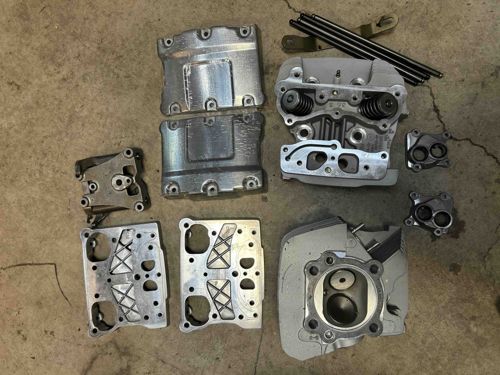
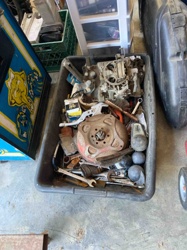
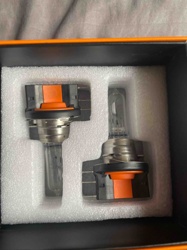
The image displays a collection of disassembled motorcycle engine components, primarily consisting of cylinder heads and associated parts. The main components are two large, grey-colored cast aluminum cylinder heads, one viewed from the top showing valve springs and rocker arm areas, and the other viewed from the combustion chamber side, revealing the intake and exhaust ports and valve seats. Both heads exhibit a slightly dull, matte finish, typical of cast aluminum, with some minor scuffs and marks consistent with handling and disassembly but no significant damage or corrosion visible. The exhaust port flange on one head has a gasket-like component still attached. Several smaller, flat, rectangular aluminum plates with intricate cutouts and drilling patterns are also present, which appear to be internal engine covers or mounting plates for various components. These plates show precise machining marks and some minor surface wear. Additionally, there are two smaller, dark-colored components with two distinct circular openings each, likely being exhaust port covers or manifold flanges. Four long, slender metal rods, possibly pushrods, are laid out together. The overall condition suggests that these parts have been used but appear to be in reasonably good shape, possibly undergoing maintenance or preparation for reassembly. The variety of parts indicates a significant portion of an overhead valve (OHV) or dual overhead cam (DOHC) motorcycle engine's top end. The craftsmanship visible in the casting and machining appears to be of standard industrial quality for engine components.
AI Appraisal Report
Upon visual examination of the provided image, I assess these disassembled motorcycle engine components, primarily cylinder heads and associated covers, to be in good used condition. The cast aluminum cylinder heads display typical matte finishes with minor scuffs consistent with handling and disassembly, but crucially, no overt signs of significant damage, cracks, or heavy corrosion. The presence of a gasket on one exhaust port suggests recent disassembly. The precision of the smaller machined plates further affirms their quality. Authenticity, based solely on visual inspection, appears consistent with genuine OEM or high-quality aftermarket motorcycle engine parts; there are no obvious markers of counterfeit components. However, without physical inspection, I cannot confirm specific material composition, internal wear (e.g., valve guide play, valve seat concentricity), or any hidden imperfections.
Market conditions for used motorcycle engine components like these can vary significantly based on make, model, and rarity. Assuming these are from a common, desirable model, comparables on platforms like eBay, specialized forums, or salvage yards would suggest values in this range. Factors impacting value include the precise motorcycle model compatibility (which cannot be determined from the image), the completeness of the valve train components (not fully visible), and the demand for replacement parts for that specific engine. While not exceptionally rare, good condition used cylinder heads for popular models maintain steady demand. Full authentication would require in-person inspection to verify part numbers, assess internal wear, conduct dye penetrant testing for micro-cracks, and potentially confirm material specifications. Provenance documentation, such as the donor motorcycle's VIN or maintenance records, would also add significant value certainty.