AI Appraisal Estimate

AI-generated estimates · not official valuations

From the user

What was submitted

Photo and notes provided by the user — not generated by AI

Submitted item photo
Submitted photo · June 1, 2026

User's notes

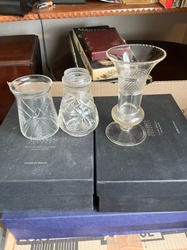
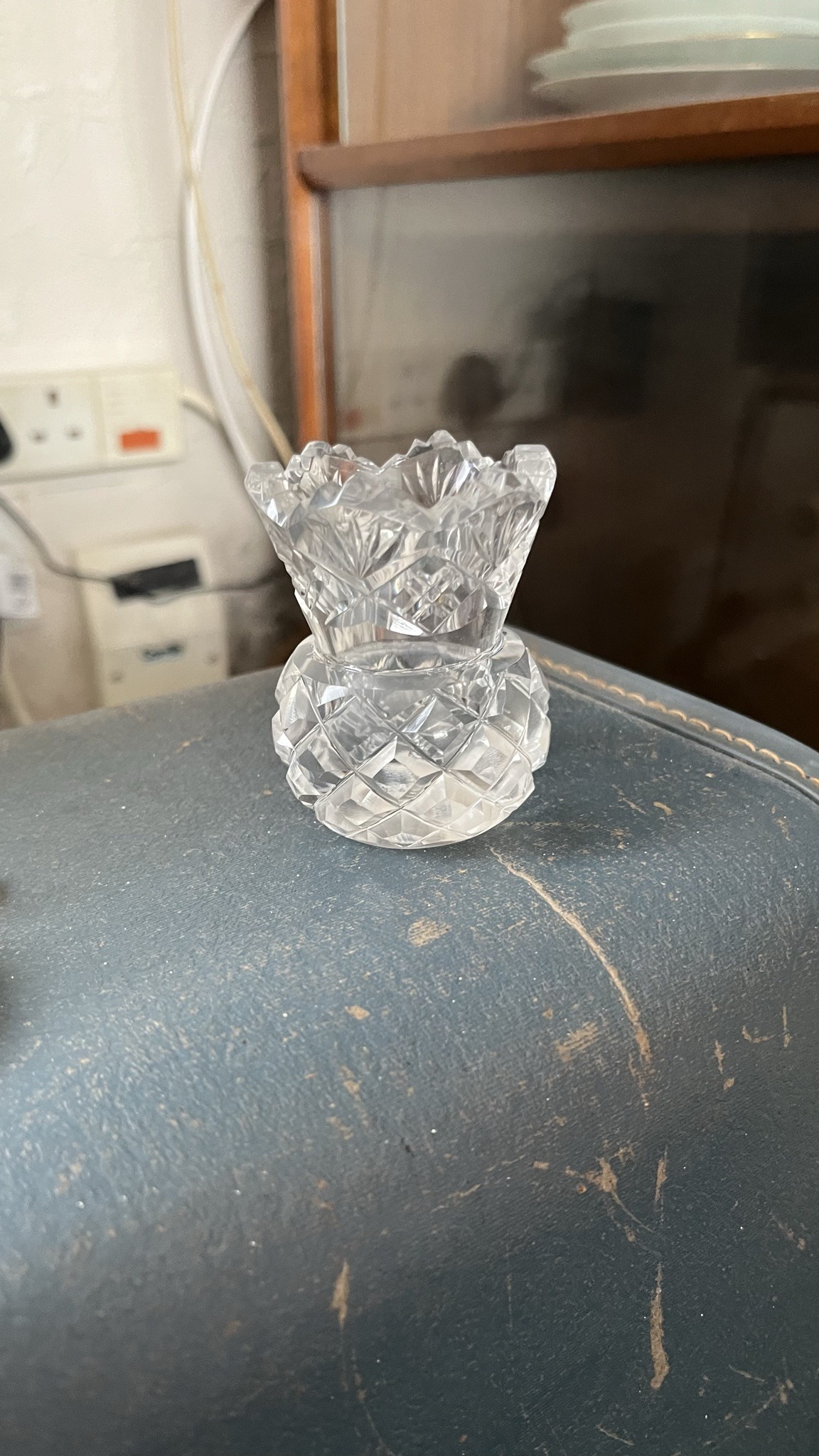
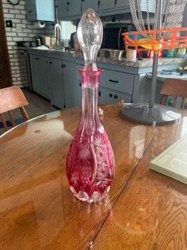
Small cut glass vintage vase

AI analysis below

AI appraisal

AI analysis & estimate

AI-Generated · Verify before acting

Everything below is generated by AI for informational purposes only. AI can make mistakes — the AI may misidentify items or misattribute them (artist, maker, brand, designer, origin, era). This is not an official valuation and should not be used for insurance, sale, tax, estate, legal, or lending purposes — or any decision requiring a certified appraisal. It is not an authoritative claim about any person, brand, or rights holder — do not share or rely on it as a factual statement about a third party. Always consult qualified professionals before making financial decisions.

Note

This analysis also relies on unverified notes provided by the user, which may be incomplete or inaccurate and could affect the result.

Read the full disclaimer

AI Identification

·Not independently authenticated·Verify before acting

Vintage Pinwheel and Diamond Cut Crystal Miniature Vase

Antique & Vintage Glassware

AI Estimated Value

·Not an official valuation·Verify before acting

$25.00 - $45.00

As of June 1, 2026

AI Item Analysis

·AI can make mistakes·Verify before acting
This is a small, ornate miniature vase crafted from high-clarity lead crystal, likely dating from the mid-20th century (circa 1950s-1970s). The piece features a distinct two-tier geometric design: the flared upper rim is decorated with intricate pinwheel and leaf-like incisions, terminating in a jagged, sawtooth-cut top edge. The bulbous lower body is adorned with a classic deep diamond-cut pattern (also known as 'cross-hatch') that creates a repeating tactile texture. It stands on a small, stable circular base. The craftsmanship displays sharp, well-defined edges characteristic of traditional glass cutting techniques rather than modern molded glass. Physically, the glass appears colorless and bright, indicating a high lead content typical of European or American crystal manufacturers. There are no visible maker's marks or signatures in the photograph, which is common for smaller utility or decorative crystal items. The condition appears excellent with no major chips, cracks, or visible clouding, though minor surface scratches (shelf wear) on the bottom are to be expected for an item of this vintage. The quality of the light refraction suggests a high-quality finish, making it a functional yet decorative piece for single-bud arrangements or as a collector's cabinet item.
AI Appraisal Report

·AI can make mistakes·Verify before acting
Based on my visual examination of the digital images and the provided specifications, I have assessed this miniature high-clarity lead crystal vase. The piece exhibits characteristic traits of mid-20th-century European (likely Bohemian or West German) or American (such as American Brilliant Period style revivals) craftsmanship. The deep pinwheel incisions and sawtooth-cut rim indicate a high level of manual cutting skill rather than machine-pressed manufacturing. The clarity of the glass and sharp refraction suggest a lead content of at least 24%, which was standard for quality crystal of the 1950s-1970s. The condition appears to be excellent; the lack of visible clouding (sick glass) or significant chips to the delicate sawtooth edging preserves its marketability. However, the lack of a maker's mark or acid-etched signature (such as Waterford or Baccarat) places this in the category of 'unattributed quality crystal,' which limits the ceiling for collectors. The market for small crystal giftware is currently stable but saturated, with similar items frequently appearing at estate auctions and antique malls. Important Limitations: This appraisal is based strictly on visual data. A physical inspection is required to confirm the presence of 'shelf wear' on the base, which verifies age, and to check for micro-flea bites. To fully authenticate the origin, I would need to perform a ring test for resonance and examine the piece under UV light to check for fluorescence patterns typical of specific glass houses. A definitive valuation would also benefit from provenance documentation or original packaging.

Get your items appraised

Instant estimates of your treasures with AI-powered appraisals

Browse More Appraisals