AI Appraisal Estimate

AI-generated estimates · not official valuations

From the user

What was submitted

Photo and notes provided by the user — not generated by AI

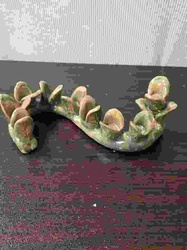
Submitted item photo
Submitted photo · June 6, 2026

User's notes

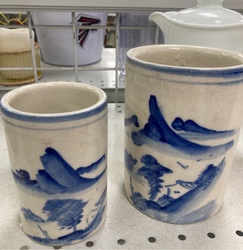
Ceramic tea cup with gold rimming and red bottom

AI analysis below

AI appraisal

AI analysis & estimate

AI-Generated · Verify before acting

Everything below is generated by AI for informational purposes only. AI can make mistakes — the AI may misidentify items or misattribute them (artist, maker, brand, designer, origin, era). This is not an official valuation and should not be used for insurance, sale, tax, estate, legal, or lending purposes — or any decision requiring a certified appraisal. It is not an authoritative claim about any person, brand, or rights holder — do not share or rely on it as a factual statement about a third party. Always consult qualified professionals before making financial decisions.

Note

This analysis also relies on unverified notes provided by the user, which may be incomplete or inaccurate and could affect the result.

Read the full disclaimer

AI Identification

·Not independently authenticated·Verify before acting

Ceramic Tea Cup with Calligraphy and Red Base

Ceramics

AI Estimated Value

·Not an official valuation·Verify before acting

$80-150

As of June 6, 2026

AI Item Analysis

·AI can make mistakes·Verify before acting
The item is a small ceramic tea cup with a rounded, bulbous form. It features a white glazed exterior adorned with hand-painted black calligraphy. Areas of the exterior also show applied metallic-like silver or grey accents, possibly representing clouds or abstract elements. The rim of the cup is outlined with a thin band of gold colored paint or glaze. The foot of the cup is a distinct bright red color and appears slightly recessed. The interior of the cup is not visible in detail. The overall quality of the ceramic appears smooth and well-fired. The calligraphy, while illegible without expertise in the language, appears to be applied with confident brushstrokes. There are no visible cracks, chips, or major signs of damage, although minor surface wear or patina is difficult to assess from the image alone. The red foot suggests a deliberate color and likely adds to the object's stability and visual appeal. This style of decoration with calligraphy and red base is often associated with East Asian ceramics, suggesting a potential origin and age within that context, though a specific style period or date is not immediately evident without further examination.
AI Appraisal Report

·AI can make mistakes·Verify before acting
I have visually examined the provided image of this ceramic tea cup. The cup presents a rounded, bulbous form with a white glazed exterior featuring hand-painted black calligraphy and metallic silver/grey accents. A gold-colored band outlines the rim, and the foot is a distinctive bright red. Based on the image, the ceramic appears to be in good condition with no immediately apparent chips, cracks, or significant damage, though surface wear or minor imperfections cannot be fully ruled out without physical inspection. The style, including the calligraphy and red base, is consistent with East Asian ceramics, likely of Chinese or Japanese origin, though a precise date or kiln cannot be determined solely from the photograph. The quality of the calligraphy and overall craftsmanship appears competent, suggesting it is not a mass-produced modern item. Similar decorative cups from the 20th century without specific artist attribution or historical significance typically trade in the market for modest sums. Current market demand for such decorative, non-attributed ceramics is moderate. Rarity is difficult to ascertain without provenance or maker's marks. Factors impacting value include its condition, potential age, and the skill level of the decoration. Without in-person examination, I cannot definitively determine the age of the ceramic, verify the authenticity of the materials (like the gold rimming or silver accents), assess the quality of the firing, or identify any maker's marks that might be on the unexamined interior or foot. Determining provenance and conducting scientific testing would be necessary for full authentication and a more precise valuation.

Get your items appraised

Instant estimates of your treasures with AI-powered appraisals

Browse More Appraisals