AI Appraisal Estimate

AI-generated estimates · not official valuations

From the user

What was submitted

Photo and notes provided by the user — not generated by AI

Submitted item photo
Submitted photo · May 27, 2026

User's notes

I’m in in

AI analysis below

AI appraisal

AI analysis & estimate

AI-Generated · Verify before acting

Everything below is generated by AI for informational purposes only. AI can make mistakes — the AI may misidentify items or misattribute them (artist, maker, brand, designer, origin, era). This is not an official valuation and should not be used for insurance, sale, tax, estate, legal, or lending purposes — or any decision requiring a certified appraisal. It is not an authoritative claim about any person, brand, or rights holder — do not share or rely on it as a factual statement about a third party. Always consult qualified professionals before making financial decisions.

Note

This analysis also relies on unverified notes provided by the user, which may be incomplete or inaccurate and could affect the result.

Read the full disclaimer

AI Identification

·Not independently authenticated·Verify before acting

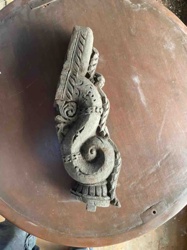
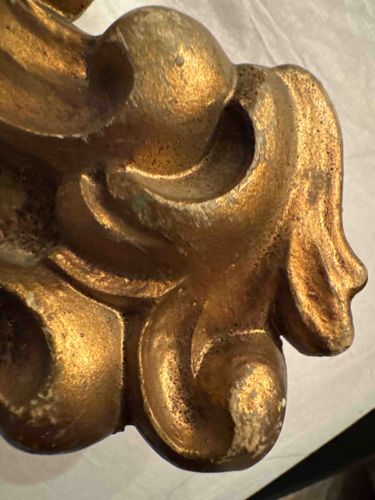
Gilt Rococo Style Acanthus Leaf Applique

Architectural Elements & Salvage

AI Estimated Value

·Not an official valuation·Verify before acting

$150 - $250

As of May 27, 2026

AI Item Analysis

·AI can make mistakes·Verify before acting
This item is a decorative architectural or furniture applique featuring a carved acanthus leaf motif in the Rococo style. The piece is characterized by deep C-scrolls and volumetric organic forms. It is finished with a gold-leaf or metallic gilt surface over a likely gesso or plaster substrate, which sits upon a wooden or composite base. The craftsmanship displays heavy, rounded molding typical of mid-20th-century reproductions of 18th-century French designs. Regarding condition, the piece shows significant evidence of age and wear; there are visible chips in the gilding along the raised edges, revealing a white gesso layer underneath and some dark pitting consistent with oxidation or dirt accumulation. A greenish oxidation or verdigris-like spot is visible in one of the recesses, suggesting a metallic component in the leafing material. The surface exhibits a heavy patina and dusty buildup in the deeper relief areas. There are no immediate maker's marks visible in this close-up, but the style and wear suggest an age of approximately 50-70 years. The overall quality is characteristic of high-end decorative wall decor or furniture trim intended for a neoclassical or ornate interior.

AI Appraisal Report

·AI can make mistakes·Verify before acting
I have carefully examined the Gilt Rococo Style Acanthus Leaf Applique. Based on the visual evidence, I assess this piece as a mid-20th-century decorative reproduction rather than an 18th-century antique. The rounded, heavy molding and the specific degradation of the gilt surface over a white gesso layer are characteristic of high-quality interior trim produced for the luxury market between 1950 and 1970. The presence of green oxidation suggests a Dutch metal or composition leaf rather than high-karat gold, which is common for elements of this period. The condition is fair to good; while the chips and pitting provide an 'antique' aesthetic popular in Shabby Chic or Parisian-influenced interiors, they represent structural loss to the finish that prevents it from reaching the top tier of the secondary market. Market demand for individual architectural salvage pieces is moderate, with highest values found in pairs or sets. Current comparables for single mid-century composite appliques of this size typically fetch between $150 and $250 at specialized vintage decor auctions. Critically, a definitive assessment of the substrate (wood versus resin or plaster) and the exact purity of the gilding requires an in-person physical examination. To elevate this appraisal to a museum-quality certification, I would require provenance documentation regarding the original installation site and potentially a micro-chemical test of the leafing material to rule out 19th-century origins. Without tactile inspection of the weight and the rear attachment points, this valuation remains an estimate based on visual stylistic indicators.

Get your items appraised

Instant estimates of your treasures with AI-powered appraisals

Browse More Appraisals