AI Appraisal Estimate

AI-generated estimates · not official valuations

From the user

What was submitted

Photo and notes provided by the user — not generated by AI

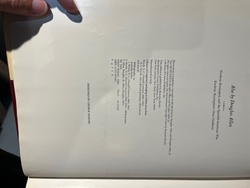
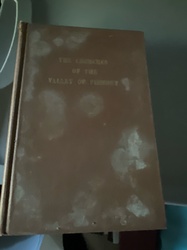
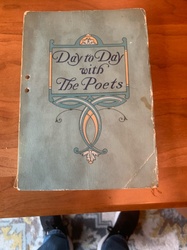
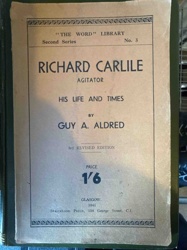
Submitted item photo
Submitted photo · June 4, 2026

User's notes

No additional notes provided.

AI analysis below

AI appraisal

AI analysis & estimate

AI-Generated · Verify before acting

Everything below is generated by AI for informational purposes only. AI can make mistakes — the AI may misidentify items or misattribute them (artist, maker, brand, designer, origin, era). This is not an official valuation and should not be used for insurance, sale, tax, estate, legal, or lending purposes — or any decision requiring a certified appraisal. It is not an authoritative claim about any person, brand, or rights holder — do not share or rely on it as a factual statement about a third party. Always consult qualified professionals before making financial decisions.

Read the full disclaimer

AI Identification

·Not independently authenticated·Verify before acting

Little Leather Library Miniature Book Set

Antiquarian Books and Ephemera

AI Estimated Value

·Not an official valuation·Verify before acting

$45-$75

As of June 4, 2026

AI Item Analysis

·AI can make mistakes·Verify before acting
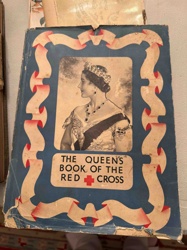
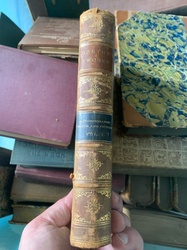
This is a collection of approximately 25-30 miniature books from the Little Leather Library, a popular series produced between roughly 1916 and the early 1920s. These pocket-sized volumes measure roughly 3 by 4 inches. They are constructed with stiff cardboard covers finished in a reddish-burgundy imitation leather (often referred to as 'Croftleather' or an early synthetic), which was an economical choice that replaced the original genuine sheepskin used in the very first 1916 editions. Each cover features intricate blind-stamped or embossed decorative borders and central titles including works by Shakespeare, Poe, and other classical authors. The condition of the collection appears varied but generally fair for their age; there is visible surface wear, corner bumping, and significant fading to the embossed titles. Some edges show fraying of the cover material, and the paper blocks show significant oxidation and yellowing typical of the inexpensive high-acid paper used in mass-market publications of that era. These sets were famously sold as promotional items through Sears Roebuck and Woolworth's, reflecting the early 20th-century movement to make classic literature accessible to the general public.
AI Appraisal Report

·AI can make mistakes·Verify before acting
Based on my visual examination of the Little Leather Library miniature book collection, I find them to be authentic examples of the mass-market 'Redcroft' editions produced in the early 1920s. The identification of the reddish-burgundy imitation leather confirms they are the second-generation promotional sets rather than the 1916 genuine sheepskin rarities or the later green 'Macmillan' variants. The condition is assessed as 'Fair' to 'Good' for their age; typical oxidation and fragility of the high-acid paper were observed alongside significant shelf wear and drying of the synthetic covers. These sets were produced in the millions and sold through major retailers like Sears, meaning they are not considered rare. Current market demand is driven primarily by collectors of 'tiny books' or those seeking vintage shelf decor rather than bibliophiles seeking investment-grade first editions. Comparables for partial sets in this condition usually realize between $1.50 and $3.00 per individual volume. The primary value drivers here are the completeness of the set and the legible state of the embossed covers. Limitations: This appraisal is based on image data only. I cannot assess structural issues such as failed bindings, brittle internal pages, or 'red rot' of the synthetic material without a physical handling. To fully verify authenticity and state, an in-person inspection is required to check for internal copyright marks, the presence of the 'Redcroft' logo, and to ensure no pages are missing or detached. No forensic testing is required given the low market value, but provenance regarding storage conditions (humidity/smoke-free) would be beneficial for long-term preservation value.

Get your items appraised

Instant estimates of your treasures with AI-powered appraisals

Browse More Appraisals