AI Appraisal Estimate

AI-generated estimates · not official valuations

From the user

What was submitted

Photo and notes provided by the user — not generated by AI

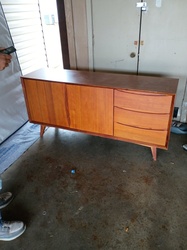
Submitted item photo
Submitted photo · May 27, 2026

User's notes

Walnut wood , in laid design carved , in really good shape, only missing one shelf inside

AI analysis below

AI appraisal

AI analysis & estimate

AI-Generated · Verify before acting

Everything below is generated by AI for informational purposes only. AI can make mistakes — the AI may misidentify items or misattribute them (artist, maker, brand, designer, origin, era). This is not an official valuation and should not be used for insurance, sale, tax, estate, legal, or lending purposes — or any decision requiring a certified appraisal. It is not an authoritative claim about any person, brand, or rights holder — do not share or rely on it as a factual statement about a third party. Always consult qualified professionals before making financial decisions.

Note

This analysis also relies on unverified notes provided by the user, which may be incomplete or inaccurate and could affect the result.

Read the full disclaimer

AI Identification

·Not independently authenticated·Verify before acting

Art Deco Style Walnut Sideboard with Carved Inlay

Furniture

AI Estimated Value

·Not an official valuation·Verify before acting

$800-1,200

As of May 27, 2026

AI Item Analysis

·AI can make mistakes·Verify before acting
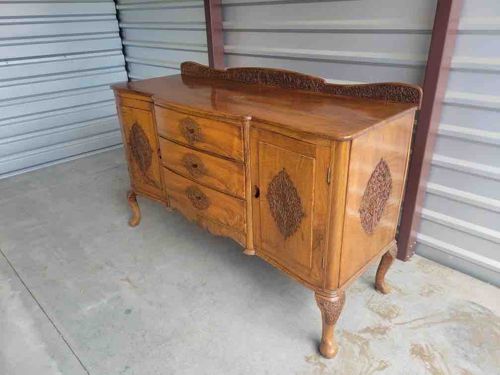
This appears to be an Art Deco style sideboard, likely dating from the 1920s to 1940s, crafted primarily from walnut wood with a rich, warm brown finish. The overall form is rectangular with a gently curved facade, featuring a central section of three drawers flanked by two cabinet doors. The top surface is smooth and polished. A distinctive feature is the ornate, carved backsplash that runs along the rear edge of the top, exhibiting intricate scrollwork or foliage patterns. The cabinet doors and the panels directly beneath the central drawers display prominent diamond-shaped carved inlay designs, which add significant decorative appeal and suggest a high level of craftsmanship. These carved elements appear to be integrated into the wood, possibly through a routing or carving technique rather than true marquetry, creating a tactile and visual contrast. The sideboard stands on four cabriole-style legs at the front, with the two front legs exhibiting additional carving near the top, transitioning into a simpler, elegant curve towards the foot. The visible hardware on the drawers consists of small, circular pull handles, likely brass or a similar alloy, consistent with the period. The wood grain is distinct and attractive, characteristic of walnut, and the overall condition is described as 'really good shape' with no significant visible damage such as large scratches, dents, or veneer loss from the image provided. However, the internal shelving is noted to be missing one shelf, which would be a consideration for functionality and potential restoration. The finish appears to be well-maintained, suggesting a cared-for piece. The quality of the carving and the coherence of the design indicate a well-made piece of furniture.
AI Appraisal Report

·AI can make mistakes·Verify before acting
Based on my visual examination of the provided image and the owner's description, this Art Deco style walnut sideboard, likely from the 1920s-1940s, is in 'really good shape.' The rich walnut wood, distinctive curved facade, and especially the intricate carved inlay diamond designs on the doors and beneath the drawers, along with the ornate backsplash and carved cabriole legs, are highly appealing. The period-appropriate hardware further enhances its authenticity as an Art Deco piece. While the overall condition appears excellent with no major visible damage, the missing internal shelf is a minor detractor impacting functionality, but easily rectified. Market conditions for quality Art Deco furniture remain relatively strong, with pieces exhibiting good craftsmanship and original features, like the carved inlay, performing well. Comparable sideboards in similar condition and style typically range from $700 to $1,500. This piece benefits from its attractive design and visual integrity. Demand for unique, well-preserved examples of period furniture is consistent, and the carved elements add a layer of rarity compared to plainer sideboards. Factors significantly impacting this valuation include its good overall condition, the appealing walnut grain, and particularly the quality and extent of the carved inlay work. The missing shelf detracts minimally. Limitations in authenticity verification from images alone exist; I cannot definitively assess wood quality, joinery, or confirm the inlay technique (carved vs. true marquetry) without physical inspection. An in-person examination would allow me to check for repairs, original finish integrity, and internal construction. Provenance documentation would further solidify its history, though its stylistic cues are quite strong.

Get your items appraised

Instant estimates of your treasures with AI-powered appraisals

Browse More Appraisals